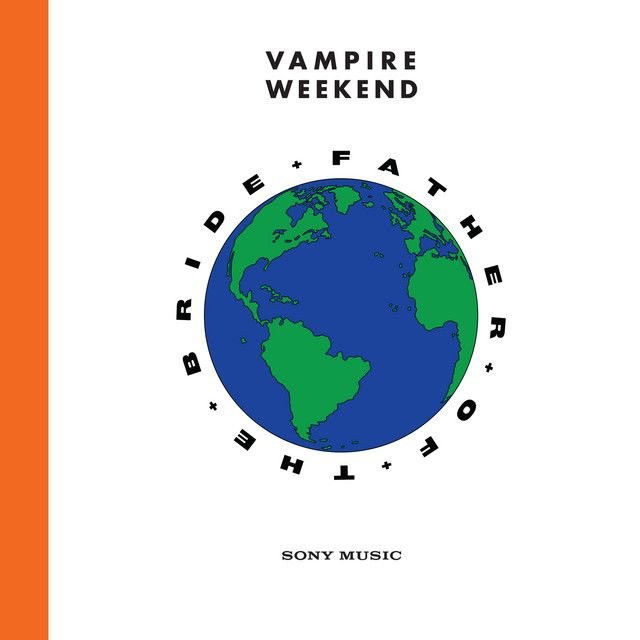
Rich Man by Vampire Weekend
A Small Song With Big Questions
The meaning of Rich Man Vampire Weekend comes down to a simple but sharp idea: money, odds, and status do not guarantee peace. The song keeps counting upward—one, one hundred, one thousand, one million, one billion—but the higher the numbers go, the less secure anything feels.
"Rich Man" - Vampire Weekend
One rich man in ten has a satisfied mind
And I'm the one
Loading lyrics...
Unable to load lyrics
We're unable to display the lyrics at this time. Please try again later.
Rather than praising wealth, they use the language of winning and rarity to show how empty those ideas can become. A person can chase value like a game, but the song asks what happens when the prize itself has lost meaning.

Watch the official Rich Man
music video
Where the Song Sits in Vampire Weekend's World
"Rich Man" appears on Father of the Bride, Vampire Weekend's 2019 album, a record that marked their return after a long gap and mixed bright folk-pop textures with anxious, reflective writing. Factually, the album was released in 2019 and credited to the band led by Ezra Koenig. The song's listed writers include Ezra Koenig, Ariel Zvi Rechtshaid, and Sooliman E. Rogie.
That context matters. This era of Vampire Weekend often sounded sunny on the surface while dealing with uncertainty underneath. "Rich Man" fits that pattern perfectly: the music feels graceful and loose, but the words keep pressing on value, scarcity, and disappointment.
Counting as a Way of Thinking
One of the song's smartest moves is turning numbers into emotion. Early on, the narrator remembers being told that only a small number of rich people have peace of mind. The key phrase satisfied mind
matters because it shifts the topic from money to inner life.
From there, the song keeps raising the stakes. It moves through odds like 100 to one
and one in a million
, using gambling language to describe love, identity, and ambition. In plain terms, the song suggests that modern life trains people to think in rankings and probabilities.
Interpretation: this is not just about one wealthy person. It is about a culture that treats everything—romance, success, even self-worth—as a numbers game.
Love Versus Possession
At the center of the song is a relationship, or at least the desire for one. The narrator seems drawn toward another person with unusual certainty, saying in effect that despite impossible odds, they still believe there is a true connection.
That is why short phrases like I'm the one
and you're the one
matter so much. They sound romantic at first, but the repetition also feels competitive, almost like claiming a prize. The song blurs the line between devotion and possession.
This is where the writing gets interesting. It does not reject love. Instead, it warns that people can start to think about love the same way they think about money: as proof that they have won.
When Wealth Stops Shining
The clearest statement in the song comes when it questions what money is worth after it is spent. The image of gold losing its glow turns wealth from something magical into something temporary. In other words, riches can look eternal until real life touches them.
Ten million dollars
Could win the whole lot
Those lines push the idea further. Yes, huge money can buy access, power, or attention. But the song quickly undercuts that fantasy by arguing that if money is all someone has, they still have not become whole.
That is the emotional center of the meaning of Rich Man Vampire Weekend: financial abundance is not the same as human fullness.
The Sound Makes the Message Softer—and Stronger
Musically, "Rich Man" does not sound heavy-handed. Its arrangement is light, earthy, and fluid, drawing on acoustic textures that were common across Father of the Bride. That gentle sound keeps the song from turning into a lecture.
Instead, the music creates contrast. The listener hears something calm and almost pastoral, while the lyrics deal in pressure, ladders, and impossible odds. That contrast makes the message land harder. They are not shouting about greed; they are quietly showing how deeply it has shaped the way people think.
The vocal delivery helps too. Koenig sings with restraint, which gives the song a reflective tone rather than a bitter one. The result is less a protest anthem than a thoughtful moral sketch.
A Few Strong Interpretations
There is more than one fair way to read the song:
- Interpretation: A critique of capitalism. The rising numbers show how systems of wealth turn people into statistics while promising satisfaction they cannot deliver.
- Interpretation: A love song under pressure. The narrator may be measuring love against money and social competition, trying to protect something sincere in a world obsessed with value.
- Interpretation: A spiritual warning. The song's concern with emptiness, false prizes, and being left with none suggests a deeper moral question about what truly lasts.
All three readings fit because the song never narrows itself to one message. Its power comes from how naturally those ideas overlap.
Why "Rich Man" Still Resonates
"Rich Man" lasts because it speaks to a familiar American tension: people are told to chase more, but they still want peace. The song understands that these desires often collide.
By the end, the numbers feel less like proof and more like a trap. The rarest thing in the song is not money. It is clarity. They suggest that a person can have millions and still miss the point, while someone with less may still find a satisfied mind
.
That is why the meaning of Rich Man Vampire Weekend remains so compelling. It turns arithmetic into philosophy and asks a quiet question that lingers: what kind of wealth actually counts?
Disclaimer: This interpretation is based on the song's lyrics, sound, and public credits. As with most art, listeners may reach different but equally valid conclusions.








