Why 'Sympathy' Turns Conflict Into Connection
The meaning of Sympathy Vampire Weekend comes down to a simple but powerful shift: they move from separation to shared feeling. On the surface, the song sounds quick, bright, and almost playful. Underneath, it studies how people stop seeing each other as rivals and begin seeing each other as reflections.
"Sympathy" - Vampire Weekend
She firmly took my hand
The isolation ended
Loading lyrics...
Unable to load lyrics
We're unable to display the lyrics at this time. Please try again later.
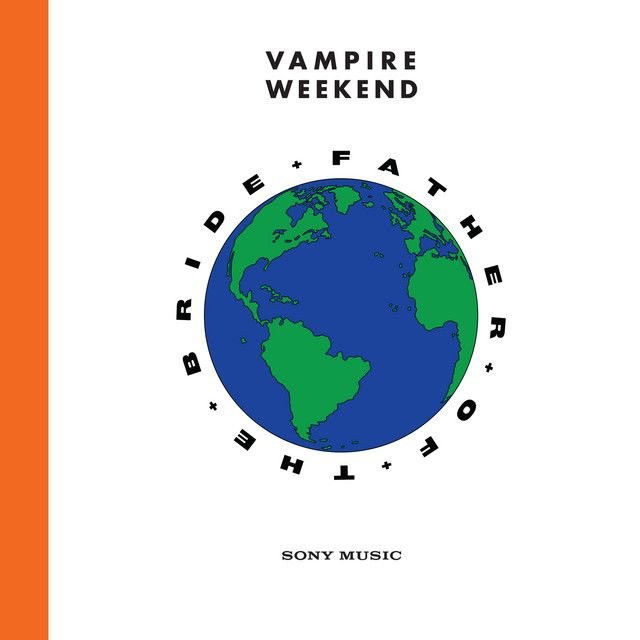
Released on Father of the Bride in 2019, “Sympathy” sits inside an album that often blends intimate relationships with wider social ideas. Vampire Weekend worked on that album with producer Ariel Rechtshaid, and Ezra Koenig is credited as a writer on the song alongside Rechtshaid. Those facts matter because the band’s late-2010s work often paired brainy references with warm, human themes.
The Heart of the Song: Sympathy as Mutual Recognition
The song begins in a private space, with one person no longer feeling alone after contact with someone else. That opening scene matters because it turns sympathy into something physical and immediate, not abstract. The line about the isolation ending suggests that understanding starts when another person breaks through self-enclosure.
Then the song explains why that change was hard. In the phrase looking in the mirror
, the narrator admits they were trapped in self-regard. They were stuck in desire, competition, and projection. Instead of seeing another person clearly, they kept circling back to themselves.
That is why the chorus lands so strongly. When the song says Now we've got that sympathy
and What I'm to you
, it frames sympathy as reciprocity. This is not pity from above. It is recognition across a shared line: your pain could be mine, and mine could be yours.

Watch the official Sympathy
music video
How the Verses Expand the Idea
Each verse adds a new layer to that same theme. First comes personal awakening. Then the song zooms out to history and identity with Judaeo-Christianity
. That reference hints at inherited oppositions, old structures, and groups defined against one another.
Interpretation: the line about there being “a third” suggests a new perspective that breaks a stale binary. Rather than staying locked in enemy logic, the song imagines a viewpoint that holds both sides in tension and makes sympathy possible.
Later, the mention of Diego Garcia introduces geography and isolation. Diego Garcia is a remote island in the Indian Ocean, and the image fits the song’s recurring tension between loneliness and connection. The lyric describes being cut off yet somehow surrounded by love and warmest fellow-feeling
. That contrast is central to the song’s meaning: even in separation, a bond can still exist.
A Story of Hurt, Then Understanding
One of the most revealing moments comes when the narrator explains heartbreak to someone else. They argue that the person who hurt them would have hurt the other person too. In plain terms, they are asking someone to imagine standing in their place.
That is sympathy in the song’s strongest form. It is not just emotional softness. It is the effort to connect one person’s suffering to another person’s possible experience.
I didn't have your sympathy
But I knew where to start
Those lines capture the song’s emotional method. Sympathy is not automatic. It sometimes has to be built through patience, explanation, and imagination.
Why the Chorus Feels Bigger Each Time
The chorus repeats several times, but it does not feel static. Every verse changes what the hook means. Early on, it sounds romantic and interpersonal. Later, it starts to sound historical, communal, even political.
That growth matters for the meaning of Sympathy Vampire Weekend. By the end, sympathy is not just a bond between two people. It is presented as an antidote to cruelty and tribal thinking.
The closing verse is the harshest. It describes people hungry for enemies and willing to exploit others’ pain. The biting image of arrogant mosquitoes
makes violence feel petty and parasitic rather than noble. In that context, the return to sympathy becomes a moral answer to scapegoating and aggression.
How the Music Carries the Message
Part of what makes “Sympathy” so striking is its sound. The track is driven by rapid acoustic guitar figures with a flamenco-like intensity, giving it constant motion. That restless energy mirrors the song’s emotional argument: conflict keeps spinning until something breaks the pattern.
The performance never sounds heavy in a dull way. Instead, it feels urgent, bright, and almost danceable. That tension is important. Vampire Weekend often place serious ideas inside lively arrangements, and here the contrast makes sympathy feel active rather than passive.
Interpretation: the rushing rhythm can be heard as the musical version of the song’s “ping-pong” struggle. The groove pushes forward, but the chorus offers brief release, as if mutual recognition interrupts the endless back-and-forth.
The Best Way to Read "Sympathy"
The strongest reading is that the song is about learning to see oneself in others. It starts with touch, grows through reflection, and ends as a critique of cycles that depend on enemies. Romantic, spiritual, and political meanings all overlap.
That layered quality is typical of Vampire Weekend. They often combine intellectual references with direct emotional stakes, and “Sympathy” is one of their clearest examples. It asks what happens when people stop guarding their own pain and start recognizing the same vulnerability in someone else.
For most listeners, that is the emotional payoff: sympathy becomes a form of connection strong enough to challenge vanity, heartbreak, and even history.
Disclaimer: This interpretation is based on the released lyrics, the song’s musical presentation, and publicly known context. Like many Vampire Weekend songs, “Sympathy” remains open to more than one valid reading.








