
Why “Unbelievers” Still Feels So Restless
The meaning of Unbelievers Vampire Weekend comes from a sharp tension: the song sounds bright and propulsive, yet its words circle fear, exclusion, and spiritual doubt. On the surface, it is a catchy indie-pop single. Underneath, it is about what happens when love and belief do not line up neatly.
"Unbelievers" - Vampire Weekend
The world is a cold, cold place to be
Want a little warmth
Loading lyrics...
Unable to load lyrics
We're unable to display the lyrics at this time. Please try again later.
Released on Modern Vampires of the City in 2013, “Unbelievers” arrived during a period when Vampire Weekend were writing more openly about faith, aging, and uncertainty. The album was widely described as one of the band’s most reflective works, and Ezra Koenig discussed its interest in big existential questions in interviews around the release. Those themes shape this song from the first lines onward.
The Song’s Main Question Is Belonging
At the center of “Unbelievers” is a speaker who wants comfort, grace, and maybe even salvation, but doubts that any of those things are meant for them. The opening asks for warmth in a cold world, which quickly expands into a larger spiritual problem. They are not just lonely. They are worried they fall outside the circle of the saved.
That anxiety becomes clearest in the repeated idea that the fire awaits unbelievers
. The line does not sound like a confident statement of faith. It sounds more like a fearful rule the speaker has absorbed from the world around them.
Interpretation: The song is less about rejecting religion than about feeling judged by it. The speaker seems aware of religious language and longing for mercy, even as they suspect they will not receive it.
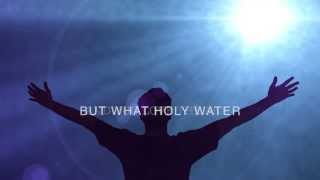
Watch the official Unbelievers
music video
A Love Song Inside a Crisis of Faith
One reason the song feels moving is that it ties spiritual doubt to romance. The chorus pairs doom with intimacy, especially in the image of two people together, bound to the tracks
. That phrase suggests helplessness, inevitability, and a future already decided.
Yet the emotional core is not just fear. It is solidarity. The speaker is not facing judgment alone; they keep returning to the idea of “you and I.” Even in the darkest lines, there is closeness.
Who Are They Singing To?
The song addresses a loved one, probably a romantic partner. When it says I know I love you
, the plainness matters. In a song full of heavy ideas, that simple confession becomes the one stable fact.
Interpretation: The relationship may represent a refuge from doctrine. If institutions deny belonging, love still offers a kind of human grace.
The Religious Imagery Does Heavy Lifting
Vampire Weekend pack the song with symbols tied to judgment and cleansing: fire, grace, holy water, light, and rebirth. Each image points to a desire for acceptance.
The most striking question arrives around what holy water
could hold even a little for the speaker. Paraphrased, they are asking whether sacred rituals contain any mercy for someone like them. Even the repeated phrase about a little drop for me
makes that request sound modest. They are not asking for certainty or sainthood. They are asking for the smallest possible share of grace.
That humility makes the song sadder. The speaker does not demand answers. They wonder whether they qualify at all.
The Chorus Turns Fear Into Fate
The chorus is memorable because it compresses theology into a dramatic, physical picture. Fire suggests eternal punishment; train tracks suggest being trapped on a path one cannot escape. Together, the images turn abstract belief into immediate danger.
We know the fire awaits unbelievers
All of the sinners the same
This is the song’s only moment that feels almost communal. The word “we” matters. It suggests the speaker and their partner, but it may also include everyone who has been labeled outside the fold.
Interpretation: The chorus may be criticizing how easily people flatten human difference into one condemning category: sinner, unbeliever, outsider.
Why the Bright Sound Matters So Much
Part of the meaning of Unbelievers Vampire Weekend comes from its arrangement. The song moves with a lively beat, buoyant piano, and harmonies that feel almost celebratory. Rostam Batmanglij and Ezra Koenig wrote the song, and Vampire Weekend’s production on Modern Vampires of the City often used crisp, classic pop structure to carry uneasy themes.
That contrast is the point. If the song were slow and gloomy, its message would be obvious. Instead, the music gives the words motion and lift. The result feels like someone dancing while thinking about mortality.
This tension also reflects the speaker’s state of mind. They are not calm. They are unsettled, questioning, and trying to move through life anyway.
A Few Strong Alternate Readings
There is more than one valid way to hear the song:
- Religious reading: It is about fear of damnation and exclusion from salvation.
- Social reading: It is about any system that divides people into worthy and unworthy groups.
- Romantic reading: It is about two people choosing each other, even if the world disapproves.
These readings can all coexist. That layered ambiguity is one reason the song lasts.
Why “Unbelievers” Endures
“Unbelievers” stays powerful because it does not offer easy comfort. It asks whether love can stand against inherited fear, and whether a person can long for grace while doubting the gatekeepers of grace.
For many listeners, that is the real answer to the meaning of Unbelievers Vampire Weekend: it captures the ache of wanting to belong in a world that may have already judged them. And it does so with enough melody and momentum to make the doubt feel strangely alive.
Disclaimer: This interpretation is based on the song’s lyrics, musical context, and publicly known background. Like most great songs, “Unbelievers” can support more than one meaning.








