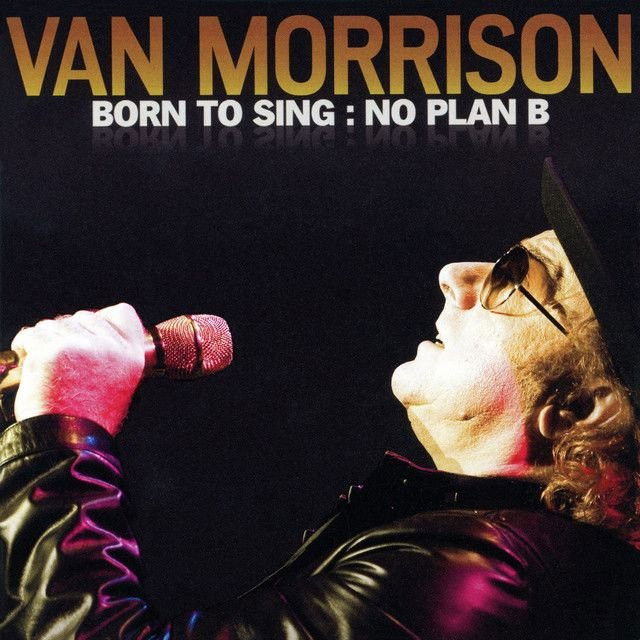
Educating Archie by Van Morrison
Why This Song Sounds So Provoked
The meaning of Educating Archie Van Morrison starts with frustration. This is a song about social control, media influence, and the feeling that ordinary people have been trained to accept confusion as normal. Rather than telling a personal love story or memory, Van Morrison goes outward. They aim their words at modern public life and ask what happens when people stop thinking for themselves.
"Educating Archie" - Van Morrison
Which is ruled by the global elite
What happened to, the individual
Loading lyrics...
Unable to load lyrics
We're unable to display the lyrics at this time. Please try again later.
That makes the song unusually blunt, even by Morrison standards. The narrator speaks directly to a listener who has been shaped by systems of money, media, and political messaging. Phrases like slave to the capitalist system
and controlled by the media
are not subtle. They frame the song as a warning: people are being managed, and many do not realize it.

Watch the official Educating Archie
music video
The Core Meaning: A Protest Against Mental Capture
At its heart, the song argues that power works not only through laws or money, but through language, entertainment, and distraction. The repeated concern about the individual
shows what Morrison sees as the real loss. To them, the danger is not just economic unfairness. It is the collapse of independent judgment.
The lyric keeps circling one basic fear: people have absorbed so much messaging that they cannot tell truth from spin anymore. When the song says up is down
and wrong is right
, it suggests a world where basic standards have been reversed. That image is simple, but it is effective. If reality itself feels unstable, then resistance becomes much harder.
Interpretation: Morrison seems less interested in policy detail than in spiritual and mental erosion. The song is angry about politics, but it is even more worried about passivity.
How the Verses Build the Argument
The song moves in a clear sequence. First, it points to large systems: capitalism, elites, banks, and media. Then it narrows the focus to the individual person whose mind has been filled with propaganda and empty talk. Finally, it shows the result: a citizen who no longer knows what was taken.
One of the sharpest ideas is that manipulation becomes strongest when it feels normal. The line about television and propaganda suggests that mass culture can numb people rather than inform them. The mention of rights and constitution pushes the song into a civic register too. Morrison is not only saying people feel lost. They are saying that public freedom has been traded away while people were distracted.
A Short Look at the Song's Turning Point
The emotional center comes when the song stops naming outside forces and asks what happened to the listener.
What happened to the individual
Tell me what happened to you
Those lines matter because they make the song personal. The target is no longer just society. It is the person who has accepted the script.
What “Educating Archie” May Mean
The title is part of the song's intrigue. On the surface, “educating” suggests teaching or training. In context, that idea feels ironic. This is not education as enlightenment. It is education as conditioning.
Interpretation: “Archie” can be heard as a stand-in for the average person, the everyday citizen who has been instructed in how to talk, think, and comply. The lyric about waffle is the language
supports that reading. Morrison seems to say that public language has become vague, fake, and useless. If people are taught to speak in empty phrases, they lose the power to name what is happening.
That reading fits the whole song. It is about how a person can be schooled into obedience without ever noticing the lesson.
The Sound Gives the Anger More Weight
Context helps here. “Educating Archie” closes Morrison's 2012 album Born to Sing: No Plan B, his 34th studio album, released on October 2, 2012, and produced by Morrison himself. According to album notes summarized by Wikipedia, it was recorded live in the studio in Belfast with a six-piece band and debuted at No. 10 on the Billboard 200.
That live-band feel matters. The performance does not sound polished into stiffness. Instead, it has the loose but pointed groove often heard in Morrison's jazz-blues work. Brass, organ, saxophone, and rhythm section give the track motion, while Morrison's vocal delivery adds weariness and bite. The arrangement softens nothing, but it keeps the song musical rather than speech-like.
This contrast is important. Critics noticed it across the album. In The Guardian, Dave Simpson wrote that warm brass and sweet melodies carried some of Morrison's hardest-hitting lyrics. That description fits this song exactly. The groove invites the listener in, then the words confront them.
Artist Context Matters Here
“Educating Archie” did not appear in a vacuum. Born to Sing: No Plan B was widely described as an album concerned with the financial crisis, greed, and modern decline. Morrison also said of the album, as quoted on Wikipedia, that the songs were “ideas” and not a manifesto. That is useful context.
So, factually, the song is part of a broader album-length interest in corruption and moral confusion. Interpretation: even if Morrison did not intend a strict political program, they clearly wanted to capture a climate of distrust. The song works best when heard as a mood piece of civic alarm, not as a detailed argument.
Final Take on the Meaning
The meaning of Educating Archie Van Morrison is a protest against manufactured consent. It pictures a world where media noise, political doublespeak, and economic power have weakened independent thought. Its recurring question about the individual turns a big political complaint into a human one.
What lasts is not just the anger, but the sadness underneath it. The song sounds like someone looking at public life and asking how people became so easy to manage. That mix of jazz warmth and lyrical suspicion is what gives “Educating Archie” its sting.
Disclaimer: Song meaning is always part fact, part interpretation. This reading is based on the lyrics, album context, and available source material, but listeners may reasonably hear the song differently.







