Why 'Volcano Girls' Feels Fierce and Fragile
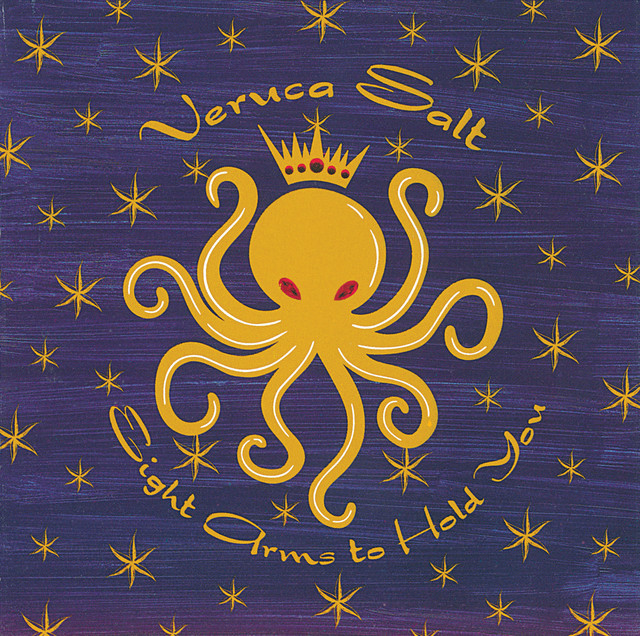
The meaning of Volcano Girls Veruca Salt comes from a clash that the song never tries to hide: power and collapse, attitude and need, cool control and emotional mess. Veruca Salt released the track in 1997 as a single from Eight Arms to Hold You, with Nina Gordon credited as the songwriter and Bob Rock as producer, according to the song's reference history and release details documented by Wikipedia.
"Volcano Girls" - Veruca Salt
Cause I don't want to go (3x)
Tell me, tell me what you really want from me
Loading lyrics...
Unable to load lyrics
We're unable to display the lyrics at this time. Please try again later.
What makes the song last is that it never settles for one mood. It sounds triumphant, but the lyrics keep exposing weakness. They present a speaker who wants distance, asks for honesty, and then admits they are barely holding together.
The Heart of the Song Is Inner Conflict
At the simplest level, the song is about someone trying to act tough while feeling close to emotional shutdown. Early lines push people away, then quickly reverse into a plea for clarity and support. That swing is the key to the whole track.
When the singer asks what someone really wants and says they need you terribly
, the song drops the mask. They are not just angry. They are dependent, frustrated, and scared of being abandoned.
Interpretation: many listeners hear this as a song about unstable relationships, especially ones built on competition, intimacy, and resentment at the same time. The title image of “volcano girls” suggests people who seem exciting and powerful but are also volatile.

Watch the official Volcano Girls
music video
A Chorus Built on Bravado and Burnout
The central image is unforgettable because it is double-sided. When they declare we really can't be beat
, it sounds like a victory chant. A second later, the idea shifts toward eruption and failure.
That is why the phrase watch us blow
matters. It can mean explosive charisma, but it can also suggest breakdown. The song keeps both meanings active.
This section also includes one of the sharpest summaries of adult disappointment: watered down and fully grown
. In plain terms, they seem to be saying that maturity has not made them stronger. It has made them feel diluted, tired, and less alive than they expected.
Who They Seem to Be Talking To
The song uses direct address, so it feels personal and confrontational. They are speaking to a specific “you,” but the identity of that person stays blurry on purpose. It could be a lover, a friend, a rival, or some mix of all three.
That ambiguity gives the song reach. In one moment, they demand honesty. In another, they want pity. Then they refuse movement entirely with I don't wanna go
. The emotional logic is messy, but that mess feels true to someone overwhelmed.
A Quick Narrative Map
The lyrics move through a clear emotional pattern:
- They resist change and ask to be left where they are.
- They demand emotional truth from the other person.
- They boast about strength as part of a group identity.
- They admit defeat and exhaustion.
- They circle back to refusal, collapse, and a strange inside joke.
That structure helps explain why the song feels so restless. It does not tell a story in neat scenes. It captures a spiral.
The "Seether" Callback Changes the Meaning
Near the end, the song references Veruca Salt's earlier single the seether's Louise
. According to Wikipedia, "Volcano Girls" contains a reprise and reference to "Seether," making the song partly self-referential.
That matters because it opens another reading. Interpretation: the lyrics may not just describe a difficult relationship. They may also comment on identity inside the band, especially the public image of Veruca Salt's two-frontwoman dynamic. Since Nina Gordon wrote the song and Louise Post sang backup on it, the callback invites listeners to hear tension, affection, and myth-making all at once.
The result is playful but loaded. The song sounds like it knows fans are listening for clues.
Why the Music Sounds So Confident
The production is crucial to the meaning of Volcano Girls Veruca Salt. Bob Rock, known for a polished, powerful rock sound, gives the track thick guitars, a hard-driving beat, and a radio-ready shine. Those choices make the song sound bigger than its emotional stability.
That contrast is the point. The arrangement charges forward even when the lyrics describe hitting a wall, falling off, or giving up. The hook arrives with force, almost as if the music is trying to outmuscle the speaker's anxiety.
Nina Gordon's lead vocal also helps create the tension. They sound sharp and catchy, but not calm. The delivery has bite, which keeps the song from feeling too clean or too safe.
Why It Connected in the 1990s
The song landed at a moment when alternative rock still valued noise, attitude, and contradiction. According to chart data compiled by Wikipedia, it reached No. 8 on the US Billboard Modern Rock Tracks chart and No. 9 on Mainstream Rock. That success makes sense: the song is catchy enough for wide play but weird enough to keep its edge.
It also survived because its message still feels current. Lots of songs talk about empowerment. Fewer admit that empowerment can coexist with neediness, pettiness, jealousy, and exhaustion.
The Lasting Takeaway
In the end, "Volcano Girls" is compelling because it never picks a single identity. They are strong, then spent. They are united, then defeated. They want to be left alone, then beg for connection.
That is the real meaning of Volcano Girls Veruca Salt: it turns emotional contradiction into a loud, memorable anthem. Its speakers are not flawless rebels. They are people trying to look powerful while cracking in public.
Disclaimer: This interpretation is based on the lyrics, recording context, and documented song history. As with most songs, listeners may hear different meanings depending on their own experiences.







