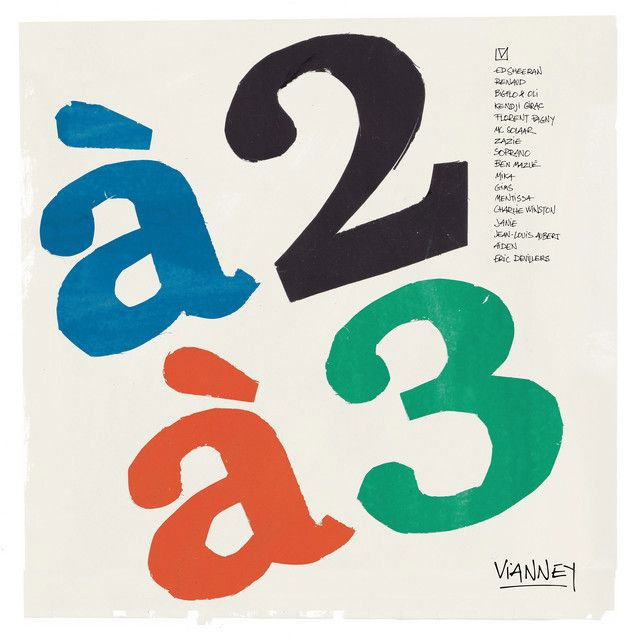
Why “Je suis fou” Turns Kindness Into Defiance
The meaning of Je suis fou Vianney, Kendji Girac, Soprano comes down to one bold idea: in a harsh world, kindness can look rebellious. Rather than treating “crazy” as an insult, the song flips it into a proud identity for people who still choose compassion, unity, and hope.
"Je suis fou" - Vianney, Kendji Girac, Soprano
Abandonnés, là, sur le seuil
On veut changer tout ça, mais oh-là-là
Loading lyrics...
Unable to load lyrics
We're unable to display the lyrics at this time. Please try again later.
That is what makes the track feel so immediate. It speaks to listeners who are tired of division, greed, and suspicion, then answers with a simple challenge: what if the truly radical act is to care for each other anyway?
A Pop Anthem Built on “We” Instead of “I”
At its core, the song contrasts two ways of living. One is fear-driven and competitive. The other is collective and generous. The clearest statement of that shift appears in the phrase troqué le “je” contre le “nous”
. Before and after that line, the lyric makes the point plain: the ideal person gives up pure self-interest and chooses community.
That is why the song keeps returning to people who feel excluded, forgotten, or pushed aside. It mentions those who thought they were alone and those seen as too different. The singers answer that alienation with belonging.
Interpretation: the song is not only praising charity. It is redefining identity itself. They suggest that a healthier life begins when the self stops being the center of every decision.
The Chorus Reclaims “Crazy” as a Moral Compliment
The emotional heart of the song is the repeated hook Je suis fou
. In context, that phrase does not celebrate chaos or self-destruction. It means: if helping others looks unrealistic, they will accept the label.
The chorus works because the verses set up a world where empathy is treated as naïve. Then the refrain answers with pride. If someone reaches toward the poor, refuses resentment, and keeps believing in repair, the song says that person may be called foolish “down here” — but the singers stand with them.
Ici-bas, tu es fou
Si pour ça, tu es fou
Those short lines summarize the track’s argument. Society may mock generosity, yet the song insists that this kind of “madness” is actually moral clarity.
What the Verses Say About the World
The verses sketch a social landscape shaped by abandonment and conflict. Some people feel left outside the door. Others want power, money, and empire. The lyric also pushes back against paranoia and blame, warning listeners not to get stuck on enemies and conspiracies.
One key line is oublie les gens qui nous séparent
. The idea around it is not blind optimism. It is a refusal to let division become destiny. The song admits the damage, then proposes repair.
A second crucial idea appears in on va déjà se changer soi
. That line shifts the focus from fixing everyone else to changing oneself first. This gives the song a grounded edge. It is not just chanting for unity in the abstract. It says social healing begins with personal action.
Why the Sound Feels So Uplifting
Even without long lyrical detail, the production helps explain the song’s meaning. The repeated “laï, laï” chant turns the chorus into a communal singalong. That matters because the message is about togetherness; the arrangement lets listeners feel that togetherness in real time.
The overall style sits in accessible French pop with anthem-like energy, shaped by bright rhythm, clean melody, and group-vocal warmth. Vianney is a major French singer-songwriter known for emotionally direct writing, while Kendji Girac and Soprano each bring broad popular appeal in French-language pop; basic artist and writing credits are documented by major music databases such as Spotify and Genius. The additional songwriting credit to Renaud Rebillaud fits the song’s polished, radio-ready structure.
Interpretation: each artist helps embody a different side of the message. Vianney brings sincerity, Kendji adds sunshine and motion, and Soprano contributes a collective, rallying tone. Together, they make the song sound less like a lecture and more like an invitation.
Symbols, Motifs, and the Song’s Moral Vision
Several motifs shape the track:
- The threshold: people left
sur le seuil
suggest exclusion and loneliness. - Money and empire: these stand for greed and social fracture.
- The open hand: helping someone with nothing becomes the song’s clearest moral image.
- The starting line: the “fools” are asked to get ready, as if kindness itself were a movement.
These symbols are simple, but that simplicity is the point. The song wants a wide audience. It does not hide behind complex poetry. Instead, it uses direct language to make solidarity feel practical.
A Song About Society — and About the Self
One strong reading is that this is a social-unity anthem. It answers exclusion, resentment, and status anxiety with a call for generosity. Another reading is more personal: the song is about resisting cynicism inside one’s own mind. In that version, becoming “fou” means choosing openness when bitterness would be easier.
Both readings fit because the lyric keeps moving between public problems and private choices. It sees the two as connected.
The Lasting Meaning of “Je suis fou”
The meaning of Je suis fou Vianney, Kendji Girac, Soprano is ultimately hopeful but not soft. The song argues that empathy is not weakness. It is courage that may look strange in a divided world.
Its final message is simple: if caring for others, refusing envy, and choosing “we” over “I” seems unreasonable, then they are willing to be unreasonable.
Disclaimer: This interpretation is based on the released lyrics, performance, and available songwriting context. Like all song analysis, some meanings remain open to listener interpretation.







