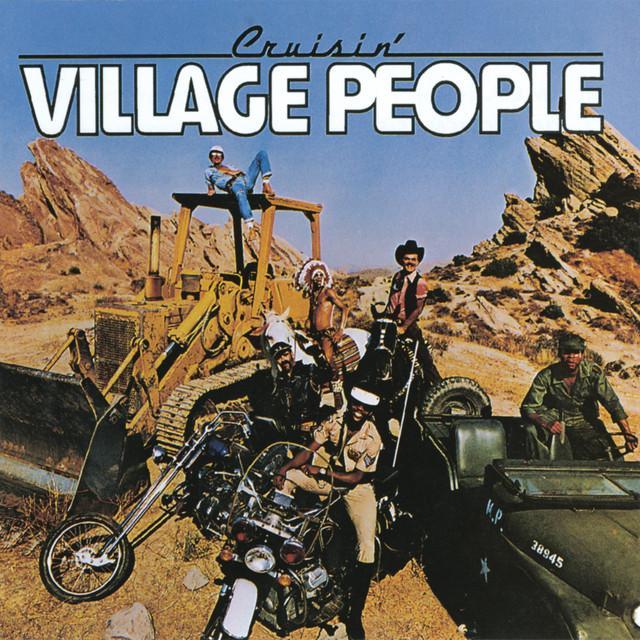
Why "Y.M.C.A." Still Feels Like a Lifeline
The meaning of Y.M.C.A. Village People starts with something simple: a struggling person is told not to give up. Beneath the famous dance and party reputation, the song is built like a pep talk. It reaches out to a lonely young man, offers practical help, and turns that help into celebration.
"Y.M.C.A." - Village People
I said, young man, pick yourself off the ground
I said, young man, 'cause you're in a new town
Loading lyrics...
Unable to load lyrics
We're unable to display the lyrics at this time. Please try again later.
Village People released "Y.M.C.A." in 1978, written by Jacques Morali, Henri Belolo, and Victor Willis. The group became one of disco’s most recognizable acts through bold characters, giant choruses, and music that mixed camp humor with mainstream pop appeal. That context matters, because this song works on two levels at once: sincere encouragement and stylized performance.
A Disco Anthem With a Direct Message
On the surface, the song is almost startlingly clear. A narrator speaks to a "young man" who feels defeated in a new place. They tell him there is no need to feel down
, and then point him toward the YMCA as a place for low-cost shelter, food, cleanliness, and social connection.
That makes the song less abstract than many disco hits. It is not mainly about romance or nightlife. It is about survival, dignity, and the value of a shared space. The lyric about being short on your dough
makes that plain: this is somebody who may be broke, isolated, and unsure what comes next.
Watch the official Y.M.C.A.
music video
The Story Moves From Crisis to Community
The verses follow a neat emotional timeline. First, there is discouragement. Then comes advice. Finally, there is testimony from someone who claims they once felt the same way and found a path forward.
That structure matters because it makes the song feel believable. It does not just shout happy slogans. It says, in effect, that despair is real, but so is help. When the singer says put your pride on the shelf
, the song’s moral center comes into focus: asking for support is not failure.
A Rare Pop Song About Practical Help
Many hit songs promise emotional escape. "Y.M.C.A." promises something more concrete. It mentions getting clean, eating a good meal, and finding company. Those details turn the YMCA into more than a name. It becomes a symbol of basic care.
get yourself cleanhave a good mealdo whatever you feel
Even in this famous section, the song ties freedom to security. Fun comes after needs are met. That is one reason the chorus has lasted: it sounds joyful, but its joy is earned.
What the Chorus Really Means
The hook repeats It’s fun to stay
so often that it can sound lightweight at first. But repetition is doing important work. The chorus reframes a place associated with rules, dorm rooms, and modest resources as exciting and full of possibility.
In other words, the song sells dignity through fun. Instead of saying, “Here is where desperate people go,” it says this is where life opens back up. That reversal helps explain why the record connected so widely in the United States. It turns aid into pride and fellowship into a singalong.
Artist Context and the Queer Reading
Fact: Village People were created during the disco era around exaggerated masculine archetypes, and their image has long been tied to gay nightlife and camp performance. That history shapes how many listeners hear the song today.
Interpretation: For some, the YMCA in the song is not only a support center. It is also a coded social space, especially for men seeking freedom, friendship, and identity in the late 1970s. The line about hanging out with “all the boys” is often read through that lens.
Still, that interpretation should be held alongside the literal one, not replace it. Part of the brilliance of the song is that it can be both straightforward and sly. It is open enough to work as a public-service-style anthem, and playful enough to invite subtext.
How the Sound Carries the Meaning
Musically, "Y.M.C.A." uses bright disco tools to make its message feel communal. The beat is steady and inviting. The arrangement leans on punchy rhythm, big chorus vocals, and a hook designed for crowd participation.
That production choice is essential to the meaning of Y.M.C.A. Village People. A private struggle becomes public release. The verses speak almost like advice, but the chorus explodes into shared affirmation. By the time listeners join in, the lonely "young man" no longer sounds alone.
There is also a clever contrast between content and tone. The song talks about hardship, but the music stays buoyant. That contrast does not weaken the message; it makes recovery sound possible.
Why It Endures Beyond Nostalgia
The song remains huge because it offers more than kitsch. Yes, it is catchy, theatrical, and easy to perform. But it also carries a durable idea: people need places where they can be restored.
That is why the song survives in sports arenas, weddings, bars, and community events. Listeners may come for the hand motions, but what keeps the anthem alive is its core promise of welcome, relief, and connection.
Final Take on Its Lasting Appeal
The deepest meaning of "Y.M.C.A." is not just that a place can be fun. It is that community can pull someone back from isolation. Village People turn that message into a disco celebration, which is why the song feels both goofy and moving at the same time.
Interpretation disclaimer: Song meanings can hold more than one valid reading. This article separates factual context from interpretation, and some listeners may emphasize its social-help message, its queer subtext, or both.









