Why Voxtrot's Love Song Feels So Messy
The meaning of The Start of Something Voxtrot comes down to a sharp emotional contradiction: the song treats new love as thrilling, embarrassing, poetic, and a little dangerous at the same time. Voxtrot turn that confusion into the point. Instead of describing a clean romance, they show how desire can make a person dramatic, reckless, and painfully self-aware.
"The Start of Something" - Voxtrot
I'd get angry with athletic ease, break common laws in twos and threes
If I die clutching your photograph
Loading lyrics...
Unable to load lyrics
We're unable to display the lyrics at this time. Please try again later.
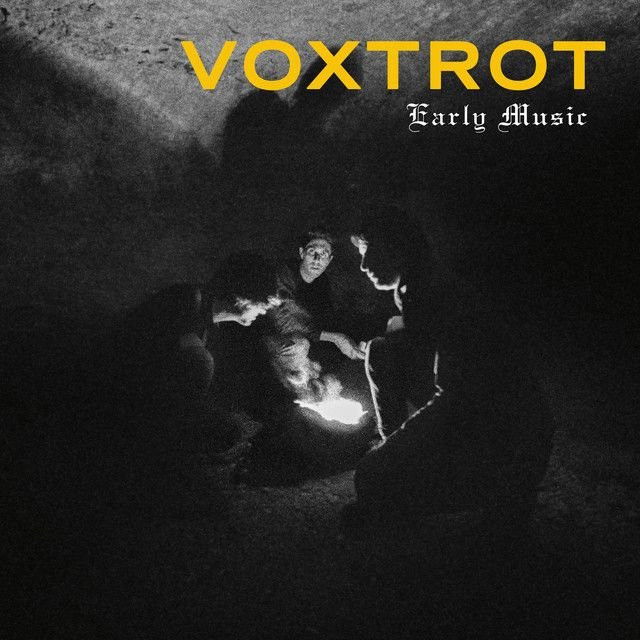
Released on the band's early breakout EP, the song helped define Voxtrot's literate indie-pop identity in the mid-2000s, when the Austin group drew attention from music press for their bright guitars and romantic intensity. In broad fact, Voxtrot were an Austin indie band led by Ramesh Srivastava, and this song became one of their best-known tracks.
The Heart of the Song Hides in the Contradiction
At the center is the line about something really, really beautiful
being disguised as something ugly. Paraphrased, the narrator believes love can arrive in forms that look unhealthy, awkward, or chaotic. That idea drives the whole song.
They are not singing about stable commitment. They are singing about the beginning, when feeling hits before understanding does. The title matters because a beginning is not peaceful here. It is all nerves, fantasy, and emotional overstatement.
Interpretation: The song suggests that falling for someone can make a person act in ways they know are excessive. Instead of hiding that, Voxtrot make it the emotional engine.

Watch the official The Start of Something
music video
A Narrator Who Knows They Are Spiraling
The speaker sounds restless from the first verse. They imagine late-night calls, breaking rules, clinging to a photograph, and wanting to be taken back to an earlier moment of intimacy. Even when they sound witty, they also sound exposed.
One key phrase is it's just 'cause I like you
. That confession shrinks all the drama down to a simple truth: under the grand language, they are just overwhelmed by affection. The song keeps bouncing between high literary phrasing and blunt longing.
That mix is why the narrator feels believable. They are trying to sound clever enough to control the situation, but their feelings keep spilling out.
How the Verses Build a Portrait of Obsession
Rather than tell one straight story, the lyrics move like a crowded mind. They jump from letters to memories to arguments to jealousy. Still, a rough emotional timeline appears:
- The narrator is stuck in longing and replaying a lost or unstable connection.
- They struggle to say love plainly, so they turn to style, images, and dramatic speech.
- They hear signs that the other person may be moving on.
- By the end, they try to bury the past, even if they are not fully free of it.
A phrase like love letter away
shows how close and far the relationship feels at once. The person is emotionally near but physically absent. Later, the mention of a letter and another boy adds a sting of replacement.
Interpretation: The fragmented writing mirrors obsession itself. They are not calmly remembering events; they are reliving them in flashes.
Why 'Marianne' Matters So Much
The repeated ending turns the song from flirtation into haunting. When the singer says let the ghosts sleep
, they seem to beg for a stop to memory, jealousy, and emotional repetition. The line does not just address a person named Marianne. It addresses the past.
That makes the final section feel like a plea for mercy. If the earlier verses are all motion and overthinking, the ending wants silence. It asks whether love can move forward only by burning away what still lingers.
Marianne, let the ghosts sleep tonight
just shut your eyes and burn the past
This is the article's one brief multi-line quote, and its meaning is clear even without more context: the speaker wants release, but they also know release requires an act of will.
Sound and Style: Why It Feels So Bright and Restless
Part of the meaning of The Start of Something Voxtrot comes from the music, not just the words. The track has the rush of indie pop: brisk drums, chiming guitars, and a buoyant melody. That bright sound creates tension with the lyrics' anxiety.
Instead of sounding crushed, the band sounds energized. That choice matters. It makes emotional chaos feel youthful and alive rather than tragic. Their arrangement suggests that confusion can be part of romance's excitement.
The vocal delivery also helps. The singing sounds urgent but not theatrical in a heavy-handed way. It carries the feeling of someone trying to stay composed while their thoughts race ahead.
Two Strong Readings of the Song
Reading One: A portrait of first-stage love
This is the clearest reading. The narrator is falling hard, cannot control their thoughts, and mistakes intensity for destiny. In this version, the song captures the messy beginning of romance better than most straightforward love songs do.
Reading Two: A breakup song disguised as a love song
There is also a darker angle. The narrator may already be losing this person and can only call the pain the start of something
because they are trapped in denial. In that reading, the "start" is actually the beginning of grief.
Both interpretations fit because Voxtrot write in a way that keeps emotional time blurred.
Why the Song Still Connects
The song lasts because it understands a common feeling: people often experience love first as confusion. They overread signs, rehearse speeches, turn memory into myth, and try to sound cooler than they feel. Voxtrot capture all of that without losing melody or charm.
For many listeners, that is the real meaning of The Start of Something Voxtrot: love does not arrive neat. It arrives mixed up with vanity, fear, hope, and imagination. The song's brilliance is that it makes that mess sound beautiful.
Disclaimer: This interpretation is based on the recorded lyrics, musical context, and public knowledge about Voxtrot's style. As with most songs, listeners may hear different meanings in the same lines.








