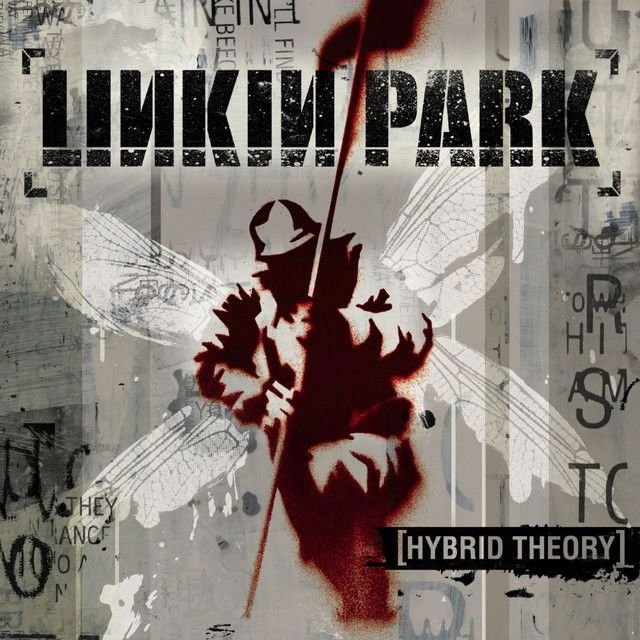
In the End by Linkin Park
They still sing this one at the top of their lungs because it names a feeling most people know: trying your hardest and losing anyway. If you’re searching for the meaning of In the End Linkin Park, start with that everyday collision between effort, trust, and time.
"In the End" - Linkin Park
And multiplies 'til you can taste the sun
And burned by the sky you try to take it from
Loading lyrics...
Unable to load lyrics
We're unable to display the lyrics at this time. Please try again later.
The Bitter Lesson at the Center
The narrator puts everything on the line and learns that outcomes aren’t guaranteed. The chorus turns private frustration into a chant. When they say I tried so hard
and it doesn't even matter
, it isn’t apathy. It’s the shock of realizing control has limits.
Interpretation: the song isn’t nihilism; it’s sober acceptance. The pain is real, but so is the growth that comes from naming it.

Watch the official In the End
music video
Who’s Talking—and to Whom?
Most lines are first-person, addressed to a “you.” That “you” could be a partner, a friend, a dream, or even time itself. The phrase put my trust in you
frames a relationship of dependence that didn’t hold.
The bridge sharpens the plea:
I've put my trust in you
Pushed as far as I can go
Right after, the singer reasserts the chorus, which suggests the message didn’t land—and the speaker accepts the result.
A Simple Story in Three Beats
- It starts with a spark:
It starts with one
. A goal or bond forms, and hope feels rational. - Friction builds. Promises slip, time moves on, and effort piles up. They keep going, measured and methodical.
- The verdict arrives:
in the end
, the effort can’t rescue what’s broken. Acceptance beats denial, even if it hurts.
Symbols You Can’t Miss
- Time: The verses obsess over time passing and being wasted. Time is the silent antagonist.
- Falling: Lines about falling and losing echo the physical drop you feel when plans collapse.
- Memory: What mattered becomes an artifact—something that “will eventually be a memory.” The song watches meaning fade and admits that’s part of life.
Each motif points back to the core idea: honest effort does not guarantee the outcome you want.
How the Sound Makes the Message Hit
“In the End” rides a spare, looping piano riff and a midtempo beat. Mike Shinoda’s tight, controlled verses feel like problem-solving under pressure. Chester Bennington’s chorus erupts, turning restraint into release. That push–pull mirrors trying to keep it together versus letting emotion crash through.
On Hybrid Theory (2000), producer Don Gilmore shaped the blend of rap, rock, and electronic textures that defined early Linkin Park. Joe Hahn’s scratches and atmospherics create space; Brad Delson’s guitar stays focused, letting the vocal carry the weight; Rob Bourdon’s drums lock the groove. The hook is engineered to be unforgettable, which is why the chorus became a shared lament at shows.
Band context supports this reading. Mike Shinoda has described the song as a struggle with hopelessness and the fleeting nature of time, noting that it “runs itself around in a circle” without easy answers. Chester Bennington later admitted he didn’t love the song at first but came to see why it mattered to fans. Those facts underline how the track’s emotional geometry—effort, doubt, release—was intentional.
Why It Resonated Beyond Rock Radio
The meaning of In the End Linkin Park scaled because it’s universal. People map it onto breakups, stalled careers, or projects that collapsed. The writing leaves room for personal stories, and the chorus gives language to an ache that’s hard to explain.
Culturally, it became a landmark. The single peaked at #2 on the Billboard Hot 100, won Best Rock Video at the 2002 MTV VMAs, and its video later surpassed 1 billion views on YouTube in 2020. Those milestones reflect not just popularity, but how often people return to this song when they need to shout through a setback.
Alternate Readings Worth Considering
- Relationship fallout: The “you” is a partner who didn’t reciprocate trust. Evidence: repeated appeals to trust and distance.
- Career or creative failure: The “you” is a dream, a gatekeeper, or the music industry itself.
- Existential lesson: The “you” is time or fate. The chorus becomes a meditation on accepting limits.
Interpretation: none of these cancel the others. The lyrics are deliberately open so listeners can insert their own story.
One Clear Takeaway
“In the End” is a mirror for the moment you realize you can’t force results, only your effort. That realization is painful, but it’s also clarifying. The song turns private defeat into shared strength, which is why it still echoes at full volume.
Disclaimer: Song meanings are subjective. This interpretation blends the lyrics with known band context and common listener readings.