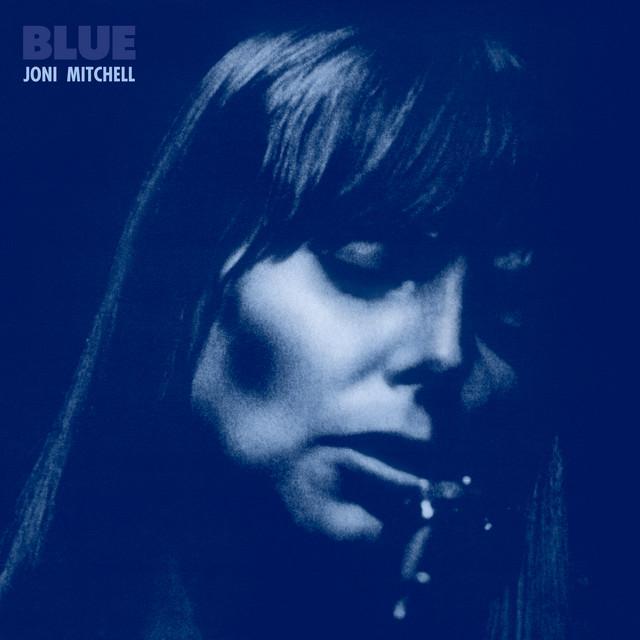
Carey by Joni Mitchell
Joni Mitchell’s “Carey” sounds sunny and spontaneous, but the heart of it is more complicated: it is about enjoying a person and a place while already knowing they cannot last.
"Carey" - Joni Mitchell
Last night I couldn't sleep
Oh, you know it sure is hard to leave here, Carey
Loading lyrics...
Unable to load lyrics
We're unable to display the lyrics at this time. Please try again later.
Why the song feels carefree but isn’t
The meaning of Carey Joni Mitchell begins with a tension they never hide. The singer is drawn to a warm, unruly world of travel, music, and flirtation, yet they keep circling back to the fact that it is temporary. From the opening image of wind is in from Africa
, the song feels physical and immediate, but also unsettled.
Factually, “Carey” appeared on Blue in 1971, an album widely seen as one of Mitchell’s defining works and one shaped by travel, self-examination, and emotional candor. It was written by Joni Mitchell, and reporting around the song has long connected it to Cary Raditz, whom Mitchell met in Matala, Crete, during her travels in 1970. That background is discussed in major profiles and album histories from sources such as Britannica, AllMusic, and The New York Times.
Even without the biography, the lyrics tell a clear story: they are in a beautiful place with someone magnetic, but they feel the limits of the fantasy.

Watch the official Carey
music video
A travel romance caught between dirt and luxury
One of the song’s smartest moves is how it contrasts rough living with refined comfort. The narrator notices dirty hands and tar on their feet, then admits they miss clean white linen
and luxury. That is not just a comic detail. It reveals a split self.
On one side, they are living the backpacker dream: beaches, late nights, strangers, wine, music, and moonlight. On the other, they still want privacy, order, and beauty of a different kind. The mention of fancy French cologne
signals taste, class, and an older life that still has a pull.
Interpretation: This is why the song feels richer than a simple postcard from Greece. Mitchell presents freedom as exciting, but not pure. Adventure has grime, exhaustion, and instability built into it. Home may feel limiting, but it also offers rest.
Who Carey is in the emotional picture
Carey is both a person and a symbol of the life around him. In the chorus, the invitation to get out your cane
and head out dancing paints him as stylish, playful, and slightly dangerous. The repeated line calling him a mean old Daddy
sounds teasing rather than fearful. It suggests a mix of attraction, irony, and emotional distance.
They like him, perhaps intensely, but the song never frames him as a lifelong answer. Instead, he becomes the face of a season in life: seductive, loose, funny, and impossible to keep. That balance matters. The affection is real, yet so is the knowledge that this is passing.
The chorus as a delay tactic
Each return to the chorus works like a choice to stay in the moment. Instead of discussing departure, the song heads back toward dressing up, drinking, and laughing. The night out becomes a way to postpone the inevitable goodbye.
The Mermaid Cafe and the mood of temporary belonging
The Mermaid Cafe is one of the song’s most memorable settings because it captures how community can form quickly in travel spaces. There are tourists, drifters, friends, and outsiders all sharing one room for one night. The call for a toast to these freaks and these soldiers
embraces a mixed crowd without judging them.
That scene is warm, but it is not fully safe or stable. The song also mentions a “bright red devil” that keeps the narrator in the tourist town. In paraphrase, that image points to temptation itself: pleasure, distraction, appetite, and delay.
"Let's have a round for these freaks and these soldiers
A round for these friends of mine"
This brief passage shows the song’s social heart. The narrator feels affection for the people around them, even if the bond is improvised and short-lived.
Travel plans reveal the deeper conflict
Midway through, the narrator imagines leaving for Amsterdam or Rome, renting a piano, and putting flowers in the room. That dream is telling. They do not just want to escape; they want to return to art, solitude, and beauty on their own terms.
Interpretation: Carey represents one kind of life, but not the life they can sustain. The fantasy of Europe shifts from beach-town spontaneity to a room with a piano. That is a move from social pleasure toward creative identity.
This fits Mitchell’s broader writing on Blue, where love, travel, and selfhood often overlap. Critics and historians regularly describe the album as unusually open about emotional conflict, not because it offers neat answers, but because it lets opposite desires stand side by side. That consensus appears across references like Rolling Stone and The Grammy Museum.
How the music carries the meaning
Musically, “Carey” feels brighter than many songs on Blue. Its brisk acoustic motion and buoyant vocal phrasing create the sense of a bustling café scene rather than a private confession. The arrangement often gets noted for its light, dancing feel, which helps the song sound immediate and sociable.
That upbeat sound is crucial to the meaning of Carey Joni Mitchell. If the track were slower or heavier, the homesickness would dominate. Instead, the energy lets both truths coexist: they are having fun, and they are preparing to leave.
What the song finally says
In the end, “Carey” is about the ache of a temporary paradise. It honors pleasure without pretending pleasure can solve longing. The narrator can adore the night, the town, and the man at its center, while still knowing it is really not my home
.
That is why the song lasts. It understands that some of the most vivid memories come from places they were never meant to stay.
Disclaimer: This article offers informed interpretation based on the lyrics, recording context, and documented background. Song meaning can remain open, and listeners may hear it differently.








