Why 'We Are the Kids' Feels Unstoppable
The meaning of We Are the Kids WALK THE MOON starts with a simple idea: youth is messy, loud, and temporary, so they refuse to waste it. The song turns that feeling into a group chant. Instead of sounding sad about growing up, it sounds thrilled by the chance to act now.
"We Are the Kids" - WALK THE MOON
Don't wanna wait till the mornin' comes
You know the bigger picture changes when your colors run
Loading lyrics...
Unable to load lyrics
We're unable to display the lyrics at this time. Please try again later.
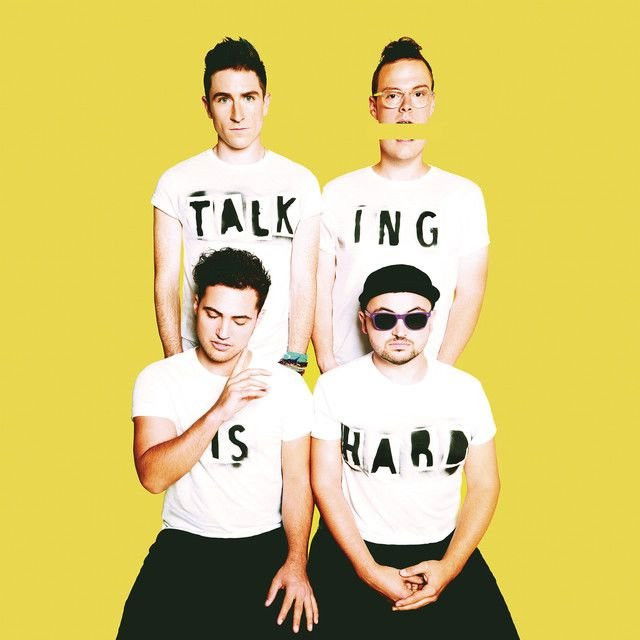
WALK THE MOON built their name on bright, physical indie-pop, and that matters here. On their early release i want! i want!, they often mixed nervous energy with celebration. “We Are the Kids” fits that pattern. It is not a quiet coming-of-age song. It is a demand to be seen.
The Core Message Hiding in Plain Sight
At heart, the song is about a generation claiming space before adulthood, authority, or fear can flatten them. The repeated refusal to wait gives the track its pulse. When they sing about not waiting for morning or permission, they frame youth as a window that closes fast.
The chorus makes the point even clearer. The short phrase we are the kids
is not just descriptive. It is identity as protest. They present young people as impossible to erase, control, or fully tame.
Interpretation: the song is less about literal teenagers than about a state of mind. Anyone can hear it as an anthem for staying bold, creative, and unafraid of social pressure.

Watch the official We Are the Kids
music video
Scenes of Dirt, Skin, and Motion
The verses work because they do not stay abstract. They give physical details: torn clothes, dirty shoes, sun on skin. Those images suggest a life lived outside, in motion, and without much concern for polish. When the singer says I am brand new
, the line sounds like rebirth through experience, not innocence.
That is why the rough images matter. Damage and freedom appear together. A ripped shirt is not failure; it is evidence of living fully.
mud on my shoes
sun on my skin
howl at the moon
In that short run of imagery, the song moves from earth to body to sky. It links youth to instinct. They are not acting proper; they are acting alive.
A Rebellion That Is Social, Not Solo
One strength of the song is that it almost never feels lonely. Even when details sound personal, the hook turns everything outward into a shared voice. The repeated “we” matters. This is not one narrator standing apart from the crowd. It is a crowd announcing itself.
That helps explain one of the song’s sharpest lines, hand over the future
. Paraphrased, they are telling older powers to stop guarding tomorrow as if young people have not earned a say. The demand is political in a broad sense, even if the song never names a specific issue.
Interpretation: listeners can hear that line in at least two ways:
- As a youth-rights statement aimed at institutions.
- As a personal cry for independence from parents, teachers, or social rules.
- As an artistic manifesto about remaking culture instead of inheriting it passively.
All three readings fit the song.
The Chorus Turns Defiance Into Myth
The central refrain uses exaggeration on purpose. Saying these kids can never be killed is not a literal statement. It is the language of anthem and myth. The point is emotional survival. Youth culture keeps coming back, even when authority tries to mock it, discipline it, or package it.
That is why another key phrase lands so well: you know that we will
. The song sets up a false denial, then immediately tears it down. Adults may hear promises to behave, calm down, or wait their turn. But the song says everyone already knows better.
This gives the chorus a sly grin beneath the shouting. It is rebellious, but also self-aware. They know they are crossing lines, and they enjoy the honesty of admitting it.
How the Sound Sells the Meaning
Musically, “We Are the Kids” supports its message with speed and force. WALK THE MOON specialize in tight rhythms, bright guitars, and singalong hooks, and that style makes the song feel communal rather than heavy. According to AllMusic, the band emerged from an indie-rock scene but leaned into danceable, pop-facing energy. That blend is crucial here.
The drums push forward like a sprint. The guitars feel sharp rather than dreamy. The vocals are delivered less like private confession and more like a rally cry. Even the repetition serves a purpose: it lets the chorus feel bigger each time, as if more voices are joining in.
Interpretation: if the lyrics alone argue for freedom, the production makes that freedom feel physical. The listener does not just understand the message; they can almost join the crowd.
Why the Song Still Connects
Part of the appeal is that the song captures a universal transition. Almost everyone knows the feeling of being told to wait, behave, or become more realistic. “We Are the Kids” answers that pressure with urgency. It says the wild years are not a problem to solve. They are a source of identity.
The song also avoids sounding hopeless. Even the mention that they won't live forever
does not darken the mood for long. Instead, it raises the stakes. If youth fades, that is exactly why they should live loudly now.
The Last Word on Its Meaning
The meaning of We Are the Kids WALK THE MOON is ultimately about collective youth power: not innocence, but energy; not obedience, but invention. It celebrates people who break old shapes and build something new from them.
That is why the song feels bigger than a party track. Beneath the chant and rush, it argues that rebellion can be creative, joyful, and even necessary.
Disclaimer: This interpretation is based on the lyrics, musical style, and available artist context. As with any song, different listeners may hear different meanings.









