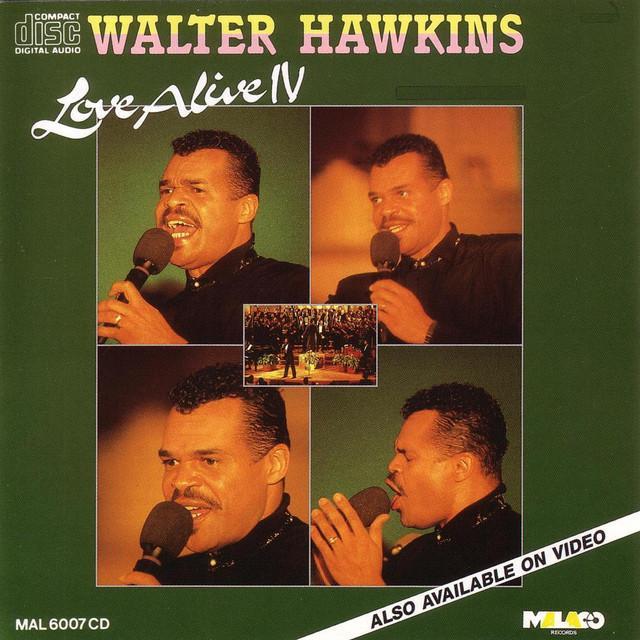
Why "Thank You" by Walter Hawkins Still Moves
The meaning of Thank You Walter Hawkins starts with a simple idea: gratitude means more when it is spoken in full view of pain. This is not a praise song that ignores suffering. Instead, it names poverty, danger, loneliness, and spiritual struggle, then answers all of it with thanksgiving.
"Thank You" - Walter Hawkins
All kinds of diseases, people are slipping away
Economies down, people can't get enough pay
Loading lyrics...
Unable to load lyrics
We're unable to display the lyrics at this time. Please try again later.
Walter Hawkins was one of gospel music's key modern voices, known for blending traditional church feeling with contemporary arrangements through the Love Center Choir and his solo work. Biographical overviews from the Gospel Music Hall of Fame and Encyclopaedia Britannica note his importance in shaping late 20th-century gospel. That context matters, because this song sounds built for testimony as much as performance.
A Gratitude Song That Refuses to Look Away
At the start, the lyric surveys a broken world. It points to sickness, economic struggle, homelessness, addiction, and violence. In plain language, the song says hard times are everywhere. Then it pivots into the central response: Thank you Lord
.
That turn is the heart of the song. Rather than deny tragedy, the singer places gratitude beside it. The effect is powerful because thanksgiving here is not comfort from ignorance. It is comfort born from awareness.
Interpretation: The song suggests that faith does not erase social reality. It gives the singer a way to stand inside that reality without being swallowed by it.

Watch the official Thank You
music video
The Key Message: Mercy Could Have Gone Another Way
The most memorable section centers on the phrase It could have been me
. That line is crucial to the meaning of Thank You Walter Hawkins because it frames gratitude as humility, not superiority.
The singer is not claiming to be better than people who suffer. They are saying their life could easily have looked the same. When the song mentions being outdoors
, having no food
, or becoming just another number
, it paints vivid but brief images of neglect and invisibility.
This is why the song has endured in churches and beyond them. It turns thanks into a moral act. The singer remembers other people's pain while recognizing their own rescue.
It could have been me
Outdoors
No food
No clothes
That short passage captures the song's emotional engine. It is concrete, easy to understand, and devastating in its honesty.
Who Is Speaking, and to Whom?
The narrative voice is first person, but the emotional frame is collective. The singer talks directly to God while also speaking in a way a congregation can echo. That is why the repeated thanks feel bigger each time they return.
They praise God for protection, guidance, love, and daily care. Short phrases like Every hour
and brand new mercy
make that care sound ongoing, not occasional. The song is less about one dramatic miracle than steady survival.
In gospel tradition, that matters. A testimony often gains force not through poetic complexity but through recognizable truth. This lyric follows that path.
How the Music Carries the Testimony
The arrangement helps explain why the song lands so deeply. Hawkins wrote in a style that often used choir energy, layered backing vocals, and call-and-response structure. Those elements turn a personal statement into a shared worship experience.
Here, repetition is not filler. Each return of the refrain increases the emotional weight. The lead vocal sounds like testimony, while the background responses sound like community confirmation. The groove stays grounded, allowing the words to remain central, but the rising intensity creates release.
Interpretation: The production mirrors the song's message. Daily mercy is described in words, and the music enacts that process by building little by little, as if gratitude keeps renewing itself.
Social Reality and Spiritual Rescue
One reason the song remains effective is that it works on two levels at once:
- It is a song of personal thanksgiving.
- It is also a social observation about how fragile life can be.
The lyric moves between physical danger and spiritual danger. It imagines homelessness and hunger, but it also mentions being lost in sin. That range matters. Hawkins presents salvation as both earthly and eternal, touching visible hardship and inward change.
This balance keeps the song from becoming too narrow. Someone may hear it as a survivor's testimony. Someone else may hear it as a worship song about grace. Both readings fit.
Why the Repetition Feels So Powerful
Many listeners respond to the repeated thanks because repetition changes the function of the song. It begins as explanation, but it ends as immersion. By the close, the words almost stop arguing and start dwelling.
That is especially clear when the song cycles through phrases of divine care: holding, loving, leading, guiding, and protecting. The effect is cumulative. Each line adds another layer of dependence and trust.
In simple terms, the song moves from "this is why they are grateful" to "listen to gratitude happening in real time." That shift is a major part of the meaning of Thank You Walter Hawkins.
The Lasting Meaning of "Thank You"
What makes this song endure is its honesty. It never says life is easy. It says mercy is real. It never pretends suffering is distant. It says protection, grace, and love have kept the singer from falling into despair.
For many listeners in the United States, especially in church settings, that message feels timeless because it joins faith with lived reality. The song honors pain without surrendering to it.
Interpretation: In the end, "Thank You" is about more than manners toward God. It is about recognizing survival as grace and answering that grace with public witness.
Disclaimer: This article offers an interpretation of the song based on its lyrics, gospel context, and performance style. Meaning can vary across listeners and faith traditions.







