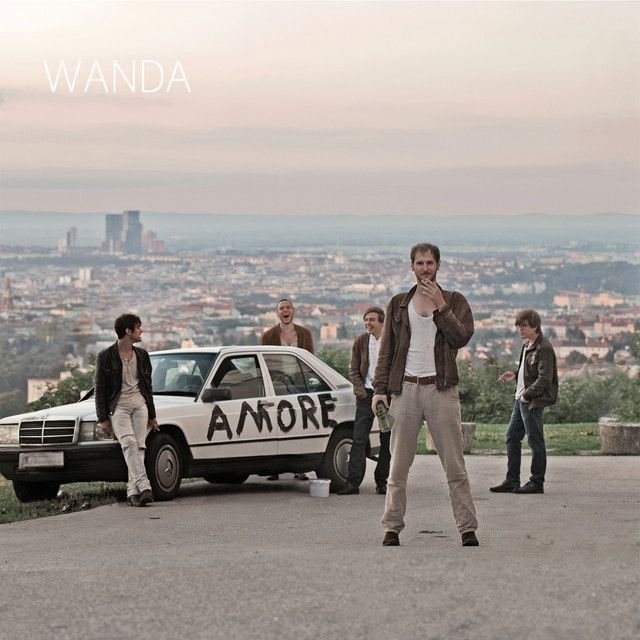
Bologna by Wanda: Desire, Nerves, Escape
The meaning of Bologna Wanda comes into focus fast: this is a song about wanting closeness, feeling blocked by fear, and turning a city into a dream of freedom. Wanda frame that tension with humor and provocation, but the emotional engine is simple. They present desire as something intense, awkward, and slightly ridiculous at the same time.
"Bologna" - Wanda
Obwohl ich gerne würde, aber ich trau mich nicht
Ich kann sicher nicht mit meiner Cousine reden
Loading lyrics...
Unable to load lyrics
We're unable to display the lyrics at this time. Please try again later.
The result is a song that sounds celebratory on the surface while carrying a nervous pulse underneath. Even before the hook opens up, the verses show people who want to move toward each other but cannot quite do it.
A Nervous Love Song Hiding Inside a Chant
At the center of the song is hesitation. The narrator says they would like to act, speak, or dance, yet they do not dare. Short lines like ich trau mich nicht
and wir trauen uns nicht
keep returning to that point: longing exists, but courage does not.
That is why Bologna matters so much. The city is not just a setting. It becomes a fantasy space where love feels easier, warmer, and less judged. When the song repeats Bologna, meine Stadt
and links the place to Amore
, it turns geography into emotion.
Interpretation: many listeners will hear Bologna less as a literal travel destination and more as a private myth. It is the place where desire can finally stop stalling.

Watch the official Bologna
music video
Why the Cousin Detail Feels So Important
The most provocative part of the lyric is the cousin reference. On its face, it introduces taboo and discomfort. The narrator wants to sleep with, talk with, or dance with a cousin, but fear blocks every move.
That shock is part of Wanda's method. The band often use blunt, messy, or morally awkward details to keep their songs from sounding too polished. Instead of giving listeners a clean romance, they give them something embarrassing and unstable.
Interpretation: the cousin may be meant literally, but it also works as a device that exaggerates forbidden desire. In that reading, the song is less about one family situation than about how attraction can feel impossible when shame and rules get in the way.
How the Story Moves From Private Fear to Public Slogan
The song has a clear arc:
- First, the narrator admits desire but freezes.
- Then, the family memory of Aunt Ceccarelli introduces Bologna as a place tied to love.
- Finally, the song turns outward and becomes an anthem.
That last shift matters most. The command to say nach Bologna
if someone asks where they are going, and to stand für Amore
, changes the song's scale. What started as a private confession becomes a public identity.
In other words, the hook rewrites embarrassment as pride. They may still be scared, but now they have a slogan to hide inside.
Aunt Ceccarelli and the Power of Family Myth
Aunt Ceccarelli is one of the song's smartest details. She brings in family history, but not in a heavy way. The lyric suggests that someone older once found love in Bologna, and that memory now gives the younger narrator a model, excuse, or fantasy.
This makes the song feel inherited. Love is not only a present desire; it is also a story passed down. The aunt's past romance gives Bologna a near-legendary glow.
Interpretation: that family anecdote may be intentionally exaggerated, almost like barroom folklore. Whether it is fully true matters less than what it does. It turns Bologna into a place already blessed by romance.
The Sound: Rowdy, Repetitive, and Built for Belief
Wanda are an Austrian band known for indie rock with touches of pub rock, glam attitude, and Austropop theatricality; the songwriting credits here are Michael Marco Fitzthum and Paul Gallister, as provided in the song credits. That context fits the track's style well.
Musically, the song works because the arrangement keeps things simple and chant-ready. The repetition does not deepen the plot, but it deepens conviction. Every return to Bologna and Amore feels less like explanation and more like self-hypnosis.
The likely effect in performance is communal. Even if the verses are awkward, the chorus invites a crowd to shout along. That contrast matters. The song turns solitary nerves into group release.
Is the Song Serious, Ironic, or Both?
A big part of the meaning of Bologna Wanda is tone. The song is funny, but it is not only a joke. The taboo setup, the exaggerated romance, and the repetition of love language all create a wink. Yet the emotional pattern underneath is real.
People often want things they cannot say plainly. They invent symbols, cities, memories, and slogans to make those feelings easier to carry. That is exactly what this song does.
So the best reading is probably both/and. It is ironic in presentation but sincere in feeling. Bologna is absurdly oversized on purpose, yet the need it represents is recognizable.
Why Bologna Still Lands
What makes the song stick is how efficiently it captures a familiar emotion: wanting to cross a line and not being brave enough. Instead of treating that feeling with sadness, Wanda give it motion, volume, and swagger.
That is why the song can sound reckless and vulnerable at once. They know desire is messy. They also know that sometimes people need a place-name, a myth, or a chant before they can admit what they want.
In that sense, Bologna is not just a city. It is the name the song gives to courage that has not arrived yet.
Disclaimer: This article offers interpretation based on the lyrics provided and publicly available song credits. Meaning can vary by listener, and Wanda have room in the song for ambiguity.








