Why Wang Chung Turned Fun Into a Survival Tool
The meaning of Everybody Have Fun Tonight Wang Chung is simpler and deeper than its famous hook suggests. On the surface, it sounds like a bright 1980s party anthem. But under that glossy chorus, the song also hints at stress, confusion, and the need to choose joy on purpose.
"Everybody Have Fun Tonight" - Wang Chung
To be with you tonight
So if you're feeling low
Loading lyrics...
Unable to load lyrics
We're unable to display the lyrics at this time. Please try again later.
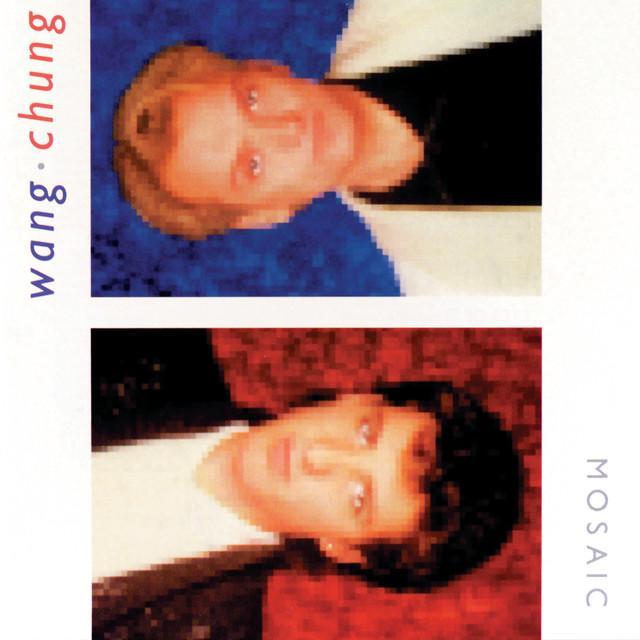
Released in 1986 from Mosaic, the single became Wang Chung’s biggest U.S. hit, reaching No. 2 on the Billboard Hot 100 and helping define the band’s public image as an upbeat pop act. It was written by Jack Hues, Nick Feldman, and producer Peter Wolf. Those facts matter, because the song’s final meaning comes from the tension between its darker ideas and its celebratory production.
More Than a Catchphrase in Neon
A lot of listeners remember only the chorus: Everybody have fun tonight
and Everybody Wang Chung tonight
. In plain terms, the song uses repetition like a chant. It is not trying to argue a complex philosophy in the hook. It is trying to create a shared mood.
That said, the line about everybody “Wang Chung” is not random nonsense. According to Nick Feldman, the phrase was meant as an abstract feeling rather than a fixed definition. In his explanation, “Wang Chung” could mean any kind of release, dance, or celebration. That turns the band’s name into an action, almost like a command to loosen up.
Interpretation: the chorus works because it makes fun feel communal. It is not just about one person escaping. It is about a whole room, city, or culture trying to shake off pressure together.
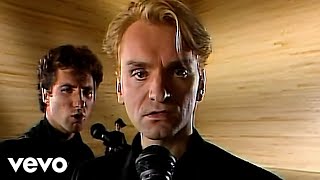
Watch the official Everybody Have Fun Tonight
music video
The Verses Hint at a Harder World
The smartest part of the song may be the verses, which are more thoughtful than many people remember. Early on, the lyric says The words we use are strong
. That idea suggests language shapes reality. In other words, what people say to each other can build fear or hope.
Then the song shifts back toward music and movement, almost as if dancing offers a break from the heaviness of words. Another key phrase, get the feeling not the word
, pushes that point further. Instead of debating everything, the song asks listeners to experience a moment with their bodies and emotions.
That does not make the track anti-intellectual. It makes it anti-paralysis. The song seems to say that when life becomes too tense or abstract, music can reconnect people to something immediate and human.
The Bridge Changes the Mood
The most revealing section is the bridge, where the song briefly opens into a more anxious picture of the world:
On the edge of oblivion
All the world is Babylon
This is the article’s clearest clue that the song is not pure fluff. “Oblivion” suggests danger or collapse. “Babylon” often points to excess, confusion, or moral disorder. These are big images for such a catchy single.
Interpretation: the song presents fun not as denial, but as resistance. If the world feels chaotic, celebration becomes a way to stay emotionally alive. That is why the chorus lands so hard after the bridge. It sounds less like empty partying and more like a decision to reject despair.
How the Sound Sells the Idea
The production is a huge part of the meaning. Jack Hues later said the song began as a slower, ironic piece in a Hey Jude
-style ballad form, but Peter Wolf pushed it toward a high-energy dance track. That change matters because it removed the distance between title and sound. Instead of commenting on fun, the record creates fun.
The arrangement blends rock drive with dance-pop polish: punchy drums, bright synths, sharp rhythm guitar, and a chant-ready chorus. That mix fits the song’s message perfectly. The beat keeps moving forward, which mirrors the lyric’s refusal to stay stuck in worry.
Even the vocal delivery helps. Hues sings with urgency rather than laid-back cool. That gives the song a slightly intense edge, which matches the darker images in the verses and bridge.
Why the Band Name Becomes a Verb
One reason the song lasted is its strange genius as branding. Billboard reportedly called it a self-celebrating dance rocker that coined a new verb. That description is accurate: by turning “Wang Chung” into something people do, the song makes identity feel playful and participatory.
There is also a clever contradiction here. Wang Chung had a more moody new wave image before this hit. With this single, they leaned into humor and accessibility without fully abandoning mystery. Listeners could sing the chorus without needing to define it.
That openness helped the line become an 1980s pop-culture catchphrase. It was catchy enough for radio, but odd enough to stick in memory.
A Friendly Reading of the Song’s Real Message
So what is the meaning of Everybody Have Fun Tonight Wang Chung? The best answer is that it treats fun as both pleasure and relief. It invites people to dance, but it also hints that they may need that dance because the world feels unstable.
Interpretation: the song is about choosing connection over anxiety. The radio, the dance floor, and the repeated chorus all become spaces where people can step out of fear and into shared feeling.
That is why the song still works. It is goofy, yes. But it is also emotionally smart. It knows that sometimes a simple command to have fun is not shallow at all. Sometimes it is survival.
Disclaimer: This interpretation mixes documented facts about the song’s writing and release with reasoned analysis of its lyrics, sound, and cultural impact. Meaning can vary by listener.








