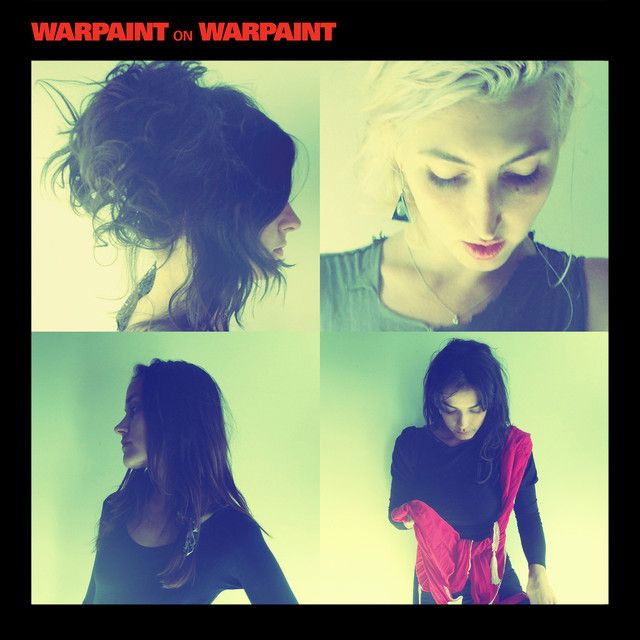
Why “Love Is to Die” Feels So Unsettling
Warpaint’s “Love Is to Die” sounds hypnotic on first listen, but its message is harder to pin down. That tension is exactly why the song lasts. For many listeners searching for the meaning of Love Is to Die Warpaint, the key is not a neat story. It is a portrait of love as surrender, risk, memory, and survival all at once.
"Love Is to Die" - Warpaint
Am I humble as I go
I'm holding in tight
Loading lyrics...
Unable to load lyrics
We're unable to display the lyrics at this time. Please try again later.
Released as the lead single from Warpaint’s self-titled 2013 album, the track also marked a more immediate public-facing moment for the band, helped by its use in a Calvin Klein ad. Yet even at its most catchy, the song keeps a shadow around it.
The Core Idea Hiding in Plain Sight
At the center of the song is a paradox. The chorus links love with opposite states: ending, continuing, and movement. When they repeat Love is to die
and then turn toward love is to dance
, they frame love as something that destroys the old self but also keeps the body in motion.
Interpretation: the song suggests that real intimacy asks for a kind of ego death. A person may have to give up control, certainty, or old pain to stay connected. That is why the hook feels both romantic and threatening.
This is also why the song does not sound like a simple breakup track. It lives in the middle zone where desire and fear overlap. Love is not presented as safe. It is presented as transformative.

Watch the official Love Is to Die
music video
A Voice Caught Between Need and Resistance
The verses speak in a fragile first-person voice, but the emotional picture is unstable. Early on, the singer wonders Am I humble
, which sounds like self-checking in the middle of emotional pressure. They are asking whether they are yielding, growing, or just losing themselves.
A later phrase, I’m not alive without you
, raises the stakes. Paraphrased, the speaker feels so attached that separation becomes a kind of emotional emptiness. That can read as devotion, but it can also sound unhealthy, which gives the song its edge.
Interpretation: the narrator may be caught in a bond that feels necessary but dangerous. They are not simply celebrating love; they are measuring its cost.
How the Lyrics Build a Darker World
One of the most striking lines refers to a blade used to remove memory. The song does not describe events clearly, but it hints at someone trying to cut away old pain and failing to do it cleanly. The words around that image feel secretive and tense, as if memory itself has become physical.
That is why even a brief phrase like too carefully
matters. It suggests overthinking, suppression, or emotional self-protection. Instead of healing naturally, the speaker seems to be managing pain with extreme caution.
There is also a push toward surrender in got to give in
. The song keeps returning to the idea that resistance is exhausting. Whether the speaker is yielding to love, grief, change, or desire remains open, but the movement is the same: holding on cannot last forever.
Why the Chorus Feels Like a Spell
The chorus is simple enough to remember after one listen, yet strange enough to keep unfolding. Its repeated logic does not explain love; it circles it. That circular feeling is important because Warpaint often builds mood through repetition rather than direct statement.
Love is to die
love is to not die
love is to dance
Paraphrased, the song argues that love contains contradiction. It can wound, preserve, and animate a person in the same moment. The final variation, which turns into a question about why someone will not dance, makes the chorus feel almost like a challenge. If dancing means accepting vulnerability, then refusing to dance means refusing to live fully inside love.
The Sound Explains What the Words Refuse to Say
A big part of the meaning of Love Is to Die Warpaint comes from the arrangement. The band’s playing is tight but hazy, with bass and drums locking into a pulse that feels sensual and ominous at once. The guitars shimmer rather than explode, and the vocals float with a detached cool that keeps the emotion from turning melodramatic.
That balance fits the band’s moment in 2013. According to Songfacts, Theresa Wayman and Jenny Lee Lindberg wrote the song quickly, and it later received finishing perspective from Nigel Godrich after early work with Flood. Godrich told NME that he helped make the tracks feel more coherent. That matters here: the song sounds polished enough to pull listeners in, but still unresolved enough to preserve its mystery.
Warpaint also described their self-titled album as a sign of deeper cohesion as a band. That togetherness shows in the track’s tension between groove and drift. The rhythm section keeps moving forward while the vocal lines seem suspended, as if body and mind are not fully in sync.
Two Strong Readings of the Song
Love as ego death
One reading is that the song is about losing the old self inside intimacy. In this view, love requires surrender. The repeated contrasts between dying, surviving, and dancing become stages of emotional transformation.
Love as trauma and recovery
Another reading is darker. The references to memory, caution, and dependence may point to someone trying to live past emotional damage. In that version, love is both a trigger and a possible escape route. The dance image then becomes more than romance; it becomes reentry into life.
Both readings fit because Warpaint writes with deliberate openness. They give listeners emotion first, explanation second.
Why the Song Still Pulls People Back
“Love Is to Die” endures because it captures a truth many pop songs avoid: love can feel beautiful and destabilizing at the same time. Warpaint turns that contradiction into atmosphere, rhythm, and mantra.
For listeners asking about the meaning of Love Is to Die Warpaint, the strongest answer is this: the song treats love as a force that can erase, remake, and awaken a person all at once. It does not solve that contradiction. It sits inside it.
That unresolved feeling is the point.
Disclaimer: This interpretation is based on the lyrics, available band commentary, and musical context. As with many Warpaint songs, meaning remains partly open to the listener.









