Why 'I Saw Red' Is Warrant's Real Heartbreak Song
The meaning of I Saw Red Warrant becomes clear the moment the song turns from romance to ruin. What begins as a big, glowing love song suddenly becomes a scene of betrayal. That sharp break is why the track still lands so hard: it captures the second when trust disappears.
"I Saw Red" - Warrant
Ooh it must be magic
How inside your eyes
Loading lyrics...
Unable to load lyrics
We're unable to display the lyrics at this time. Please try again later.
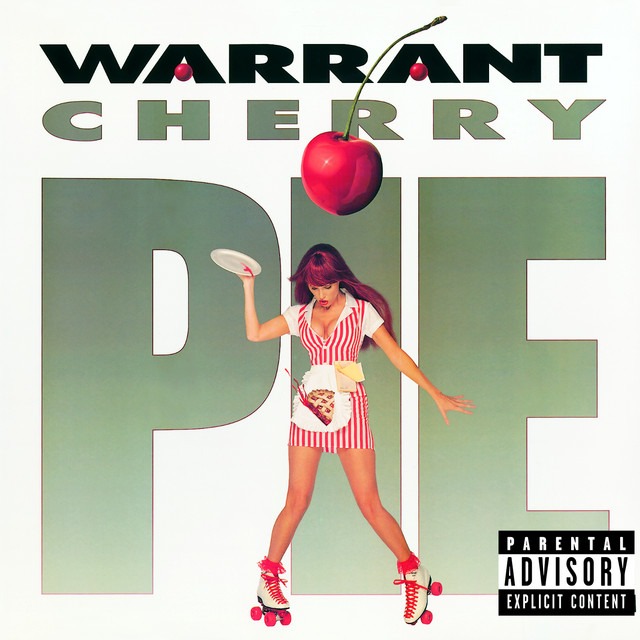
Released on Cherry Pie in 1990 and issued as a single on November 1, 1990, the song became one of Warrant's biggest hits, reaching No. 10 on the US Billboard Hot 100, according to public chart data in major reference sources. It also stood out because it was the album's main power ballad rather than another party anthem.
From Fairytale Love to Instant Collapse
At first, the narrator sounds completely devoted. They describe a love so strong that normal limits no longer matter. Early images about destiny, heaven, and replacing the stars present the relationship as sacred and almost unreal.
That setup matters because it makes the betrayal feel bigger. The song is not about a shaky romance falling apart slowly. It is about someone who believed they had found lasting love, only to watch it break in one shocking moment.
A few short phrases show that emotional swing: my destiny
, moon and stars
, and then I saw red
. The writing moves from dream language to blunt reaction. That contrast is the whole engine of the song.
Watch the official I Saw Red
music video
The Story the Lyrics Tell
A simple timeline with a brutal turn
The lyrics follow a very direct narrative:
- The narrator celebrates a relationship that feels rare and complete.
- They imagine a future built on trust and emotional safety.
- They open a door and discover infidelity.
- Their belief in the relationship ends almost immediately.
That plain storytelling is one reason the song works so well. There is no mystery about what happened. The drama comes from how fast the emotional world changes.
The key image is not the other man. The narrator even says they did not need to focus on him. What mattered was recognizing the partner's face and understanding what that meant. In other words, the real wound is not rivalry. It is broken trust.
What the Chorus Really Means
The hook uses I saw red
as more than a phrase about anger. In common speech, seeing red means rage, but here it also suggests humiliation, panic, and emotional overload. The line about the heart spilling to the floor turns that reaction into physical damage.
Interpretation: the chorus works because it combines two opposite feelings at once. The narrator is furious, but they are also crushed. This is not revenge music. It is heartbreak music with anger running through it.
The closing thought, gonna love you anymore
, sounds simple, but it is not calm or resolved. It feels like someone trying to make a final decision while still in shock.
Why the Love Imagery Matters So Much
Before the betrayal, the song piles up images of warmth and protection. The lovers could survive darkness, replace missing light, and keep each other safe. One of the clearest examples comes in the candle image:
burn a thousand candles
make everything alright
This short passage shows how deeply the narrator believed in mutual comfort. They thought love could fix anything. That belief is exactly what gets shattered later.
Interpretation: the song is not just about catching someone cheating. It is about realizing that the story they told themselves about the relationship was wrong.
Sound, Production, and the Power-Ballad Design
Musically, "I Saw Red" uses the classic power-ballad shape to support its meaning. It begins gently, with a softer arrangement that leaves room for vulnerability. As the chorus hits, the song expands emotionally, giving the betrayal a larger, almost cinematic scale.
That matters for the meaning of I Saw Red Warrant because the production mirrors the narrator's inner collapse. The quiet opening suggests intimacy and trust. The louder chorus turns private pain into a public scream.
The song is widely described as a glam-metal power ballad, but it leans harder into tenderness than swagger. There is also a well-known acoustic version, and its stripped-down sound makes the hurt feel even more exposed. Without the full band lift, the words land like confession.
Artist Context and the Question of Truth
The song's background has long been debated. Some public summaries describe it as inspired by a real betrayal involving Warrant singer Jani Lane. But Songfacts reports that Lane said the exact event never happened
to him personally and that he often wrote through storytelling rather than strict autobiography.
That conflict is worth noting because it changes how some listeners hear the song. Still, the emotional reading does not depend on a courtroom-level answer. Whether Lane wrote from direct experience, observation, or a mix of both, the song feels convincing because it understands how betrayal rearranges memory in a second.
It also showed a different side of Warrant. On an album strongly associated with the flashy title track, "I Saw Red" reminded listeners that the band could write with restraint and emotional clarity.
The Lasting Meaning
In the end, the meaning of I Saw Red Warrant is about the collapse of idealized love. The song begins by placing a partner above the stars, then reveals how fast that worship can turn into grief. Its staying power comes from that cruel speed.
More than a cheating song, it is a song about the moment a future vanishes. That is why the chorus still hits decades later.
Disclaimer: This interpretation is based on the lyrics, publicly available song history, and common critical readings. As with most songs, some meanings remain open to listener interpretation.