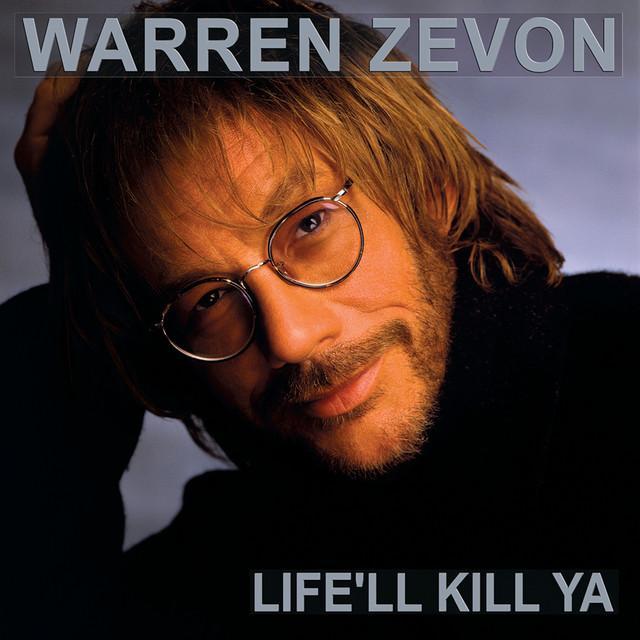
Back In the High Life Again by Warren Zevon
The meaning of Back In the High Life Again Warren Zevon starts with a simple but powerful idea: this is a song about return. It imagines someone who has been away from joy, status, love, or community and now believes those doors can open again. Even before any deeper reading, the song feels like a comeback story.
"Back In the High Life Again" - Warren Zevon
That my life ran on too fast
And I had to take it slowly
Loading lyrics...
Unable to load lyrics
We're unable to display the lyrics at this time. Please try again later.
Warren Zevon did not write the song; it was written by Steve Winwood and Will Jennings, and Winwood first released it as the title track of his 1986 album Back in the High Life. Zevon later recorded it in his own style, which matters because his public image often carried more wear, irony, and hard-earned survival. That contrast changes how listeners hear the words.
A Comeback Song With Scars Still Showing
On the surface, the narrator is looking ahead. They remember life moving too fast, but they also admit that slowing down never came naturally. When the song says born to run
, it frames the speaker as someone restless by nature. They are not built for quiet retreat.
That makes the return in the chorus feel earned, not easy. The promise of being back in the high life again
is not just about money or fame. It suggests re-entry into a fuller life: friendship, nightlife, confidence, and emotional openness.
Interpretation: in Zevon’s hands, the song can sound less like a victory lap and more like a determined act of self-belief. They may not fully trust the happy ending yet, but they need to sing it into existence.

Watch the official Back In the High Life Again
music video
How the Verses Build the Song’s Meaning
The first verse begins with reflection. The narrator looks back on a life that felt too quick to control. They wanted to preserve the good moments, but their personality kept pulling them toward motion and risk.
Then the image shifts toward place and status. The line about the bright part of town
points to a social world they once knew well. It is glamorous, public, and maybe a little dangerous. This is not a private healing song. It is about returning where people can see them.
That public angle grows in the chorus. The idea that doors I closed
will reopen suggests past mistakes, broken ties, or self-imposed exile. The singer is not only hoping for inner peace. They are hoping for welcome.
The Chorus Turns Hope Into a Public Scene
The chorus is why the song stays memorable. It does not describe recovery in abstract terms. Instead, it pictures a room opening up, faces softening, and a body rejoining the rhythm of life.
One especially vivid phrase is one hand free
. In plain terms, it pictures dancing and celebration. Symbolically, it suggests release. The speaker is no longer weighed down in the same way. They can move again.
All the doors I closed one time
will open up again
That short moment carries the emotional center of the song. It admits the closures happened. The past is not erased. But it also insists that loss does not have to be final.
Love, Memory, and the Missing “You”
The second verse adds another layer. The narrator addresses someone from the past who once made life feel vivid and meaningful. They hope that person is still out there and still recognizable.
This changes the song from a general comeback anthem into something more intimate. The return is not only to nightlife or reputation. It is also to connection. The dream is shared now, with the repeated shift from “I” to “we.”
Interpretation: that move from solitary comeback to shared reunion may be the song’s most human touch. A restored life means more if there is someone to share it with.
Why Zevon’s Version Feels Different
Because the article title points to Warren Zevon, artist context matters. Zevon often brought a rougher edge to songs, even when they were tender. His persona mixed wit, damage, intelligence, and resilience, shaped by a career that moved through acclaim, setbacks, and later rediscovery, as noted by the Rock & Roll Hall of Fame.
That history colors the meaning of Back In the High Life Again Warren Zevon for many listeners. A polished Steve Winwood version can sound triumphant and smooth. A Zevon reading can sound more weathered. The same words may feel closer to survival than celebration.
How the Sound Supports the Message
Musically, the song belongs to adult rock with a bright, open feel. Its chord movement and soaring chorus create uplift, while the steady groove keeps it grounded. That balance mirrors the lyric: hope is rising, but it rises from real experience.
The arrangement matters because the song is about reopening. Big drums, warm keyboards, and a singable refrain make the world of the song feel spacious. Instead of sounding trapped in regret, it sounds like a door swinging outward.
In Zevon’s orbit, that kind of melody can create a productive tension. A hard-lived voice against an expansive chorus makes the comeback feel believable. It is not naive. It is chosen.
The Strongest Reading of the Song
The best reading is that this song is about reclaiming life after a period of distance, failure, or emotional shutdown. It blends social return, romantic memory, and personal renewal into one picture. The singer does not deny what went wrong. They simply refuse to stay outside forever.
That is why the song still connects. Many comeback songs are about revenge or proving others wrong. This one is gentler. It wants acceptance, movement, joy, and maybe forgiveness too.
Final Take on Its Lasting Pull
The meaning of Back In the High Life Again Warren Zevon is ultimately about reopening the self to the world. It imagines a person stepping out of isolation and back into color, music, and possibility.
Listeners may hear triumph, longing, or even wishful thinking in it. All three fit. Interpretation disclaimer: song meaning is never fully fixed, and different performances can shift the emotional center of the same lyric.







