Werewolves of London by Warren Zevon
The meaning of Werewolves of London Warren Zevon starts with a simple surprise: this is not a straight horror song. It is a comic rock single that turns a movie-monster idea into a sly portrait of urban cool, danger, and absurdity. Warren Zevon, writing with Leroy Marinell and Waddy Wachtel, built a song that sounds loose and fun while filling its verses with violence, style, and dark humor.
"Werewolves of London" - Warren Zevon
Walking through the streets of SoHo in the rain
He was looking for a place called Lee Ho Fook's
Loading lyrics...
Unable to load lyrics
We're unable to display the lyrics at this time. Please try again later.
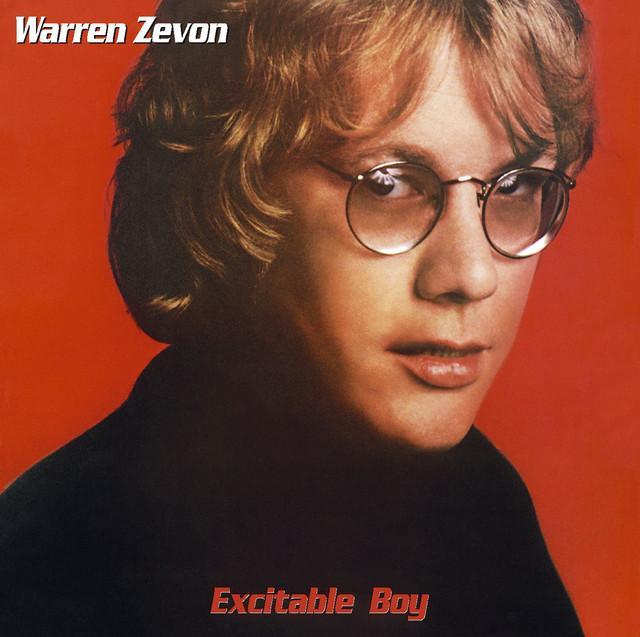
Released on Excitable Boy in 1978, the song became Zevon’s signature hit and remains one of his best-known recordings. That matters, because its popularity can make it seem like a novelty record first. But the song lasts because it balances catchy rock craft with a very specific worldview: people are drawn to danger when it arrives wearing charm and good taste.
A Monster Joke With Sharp Teeth
On the surface, the lyric follows a werewolf wandering through London. Early on, the singer spots a beast with a menu in hand, looking for food and moving through city streets like any late-night customer. That image alone tells listeners how the song works. The monster is not hidden in a haunted forest. He is dropped into modern daily life.
That is why lines like Chinese menu
and beef chow mein
matter. They bring the creature down to street level. The werewolf becomes funny because he has ordinary needs, yet he stays threatening. The joke is never that he is harmless. The joke is that horror and normal life now occupy the same frame.
Interpretation: Many listeners hear the werewolf as more than a literal monster. He can also stand for slick, predatory people in nightlife scenes—figures who are attractive, well-dressed, and dangerous underneath.

Watch the official Werewolves of London
music video
Why London Feels Like the Perfect Setting
The song uses London as both a real city and a cinematic backdrop. The lyric moves through places such as SoHo and Mayfair, mixing lower-key streets with wealth and polish. That range makes the werewolf feel everywhere at once. He is not tied to one bad neighborhood. He belongs to the whole city.
This is a big part of the meaning of Werewolves of London Warren Zevon. The threat is social as much as physical. The song suggests danger can enter the kitchen, cross class lines, and sit comfortably in fancy places. One warning centers on your kitchen door
, bringing the myth into the home. Another joke points to style and status, ending with the famous admiration of the werewolf’s appearance.
That last detail is the key punch line. The beast is deadly, but he is also chic. Zevon turns the old monster into a creature of modern image culture.
The Chorus Turns One Beast Into a Myth
The repeated howl and title hook are crucial. The chorus does not explain much, but it expands the mood. Instead of a private encounter, it creates the sense of a whole city haunted by one legend. Every return of Werewolves of London
makes the monster feel less like an individual and more like an ongoing urban condition.
That is why the song feels so communal in concert and on radio. The audience joins the howl, almost celebrating the very thing they should fear. Zevon understood that contradiction well. His songs often carried wit, menace, and fatalism at the same time, a quality noted in tributes to his work after his death in 2003 by outlets such as Rolling Stone and The New York Times.
The Funniest Lines Are Also the Darkest
Part of the song’s power comes from how calmly it presents ugly material. There is real violence in the lyric, including warnings that the creature could rip your lungs out
. But the song does not dwell in fear. It keeps pivoting to wit, especially in the dry aside about wanting to meet the werewolf’s tailor.
That comic turn reveals Zevon’s style. He was drawn to characters who were doomed, reckless, or bizarre, but he often wrote about them with a raised eyebrow instead of a sermon. In this song, horror is filtered through deadpan humor.
Interpretation: The werewolf may represent the kind of person society excuses because they are charismatic. The lyric keeps pointing out danger, yet it also keeps admiring the surface.
How the Music Makes the Joke Land
The production is a major reason the song works. Built around a relaxed piano groove, steady drums, and bright electric guitar, it sounds warm and easygoing rather than panicked. That contrast lets Zevon sing outrageous images without tipping the track into campy chaos.
Waddy Wachtel, one of the song’s co-writers, has discussed how quickly the song came together from a groove and a playful concept in interviews about Zevon’s catalog. The track was produced by Jackson Browne and Waddy Wachtel for Excitable Boy, and its laid-back feel is central to its meaning. The arrangement gives the werewolf swagger.
The melody also matters. The hook is simple, repetitive, and instantly memorable. Because the audience can sing along, they become part of the song’s joke: they happily join a chorus about something savage. That tension between pleasure and menace is the whole point.
Pop Culture, Film, and the Zevon Mindset
The references to Lon Chaney connect the song to classic horror cinema. That gives the lyric a self-aware tone. Zevon is not pretending the monster is real in a documentary sense. He is playing with the images people already know from movies and folklore.
At the same time, he updates them with modern details, from restaurants to nightlife glamour. One of the best examples is hair was perfect
. It turns the werewolf into a celebrity-type figure—dangerous, yes, but polished enough to fit into fashionable society.
The Lasting Takeaway
So what is the meaning of Werewolves of London Warren Zevon? Factually, it is a witty rock song about a werewolf roaming through a modern city. Interpretation: beneath that plot, it is also about how violence, charm, style, and entertainment can blur together until people sing along with what should scare them.
That balance is why the song still feels fresh. It is goofy, catchy, and a little nasty in exactly the right proportions.
Disclaimer: This interpretation separates established facts from informed reading. As with most songs, some meaning remains open to listener perspective.








