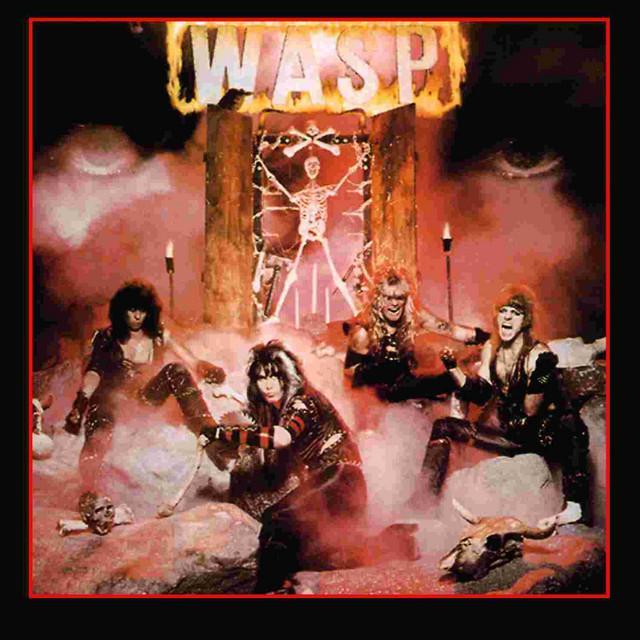
What 'Hellion' by W.A.S.P. Really Means
W.A.S.P.’s “Hellion” is a short, explosive mission statement. Released on the band’s 1984 self-titled debut, the song helped define their early image: loud, theatrical, and proudly excessive. In plain terms, the meaning of Hellion W.A.S.P. centers on a person who lives for danger, rock music, and rebellion so completely that they almost become myth.
"Hellion" - W.A.S.P.
That smokin powder keg
You're riding on is hell-bound
Loading lyrics...
Unable to load lyrics
We're unable to display the lyrics at this time. Please try again later.
The song is not subtle, and that is the point. It uses hellfire language, biker-style imagery, and hard-rock ritual to turn a reckless fan into a larger-than-life symbol of heavy metal freedom.
The Core Idea Behind the Chaos
At its heart, “Hellion” describes someone racing toward self-destruction while feeling unstoppable. The opening images of leather, speed, and flames create a portrait of a person who is thrilling to watch but clearly headed for trouble. When the song calls them hell-bound
, it is less a religious statement than a warning label.
Interpretation: W.A.S.P. seem to frame the hellion as both hero and casualty. They are exciting because they reject ordinary rules, but that same rebellion makes them vulnerable to addiction, violence, and burnout.
That tension matters. The lyrics admire the figure’s intensity, yet they also show the cost. The song never sounds like a calm moral lesson. Instead, it feels like a fast ride where celebration and danger blur together.

Watch the official Hellion
music video
A Rebel Turned Into a Metal Myth
The chorus is the clearest clue to the song’s larger meaning. By calling the figure Devil's Hellion child
, the song makes them seem almost supernatural. This person is no longer just a fan at a show or a drunk in the night. They become an emblem of wild youth.
Then comes the bigger claim: Will never have to die
. Taken literally, that line makes no sense. Taken symbolically, it does. The song suggests that the hellion spirit survives through music, image, and memory. Bodies fade, but the attitude does not.
Interpretation: This is one of the strongest ideas in the track. W.A.S.P. turn a destructive lifestyle into a kind of immortality myth. In heavy metal, legends outlive consequences.
When Rock Becomes a Religion
One of the song’s sharpest moves is how it treats rock as worship. The lyrics describe “gods” made of metal and a person kneeling at the altar of rock and roll. That language matters because it shows total devotion, not casual fandom.
The Gods you worship are steel
At the altar of rock 'n' roll you kneel
This is the song’s only extended quote needed to unlock the theme. It recasts music as faith, but a faith built from amplifiers, guitars, and stage power. The believer gives everything to it.
Interpretation: W.A.S.P. are not simply praising rock here. They are also showing how devotion can become bondage. The same verse describes the listener as a slave, chained and trapped. So the song sees rock as liberating and controlling at once.
The Story the Verses Tell
The lyrics move in a rough sequence:
- They introduce a dangerous figure already in motion.
- They connect that motion to fire, hell, and public notoriety.
- They show the body under strain through drinking, pain, and loss of control.
- They end by turning that person into a ritual follower of heavy metal itself.
That path is important. “Hellion” begins like a character sketch, then becomes a warning, then a myth. A phrase like screaming out your name
gives the song a haunted feeling, as if temptation itself is calling the person deeper into the life they chose.
How the Sound Carries the Meaning
The production and performance do a lot of storytelling. W.A.S.P.’s debut album arrived in 1984, and “Hellion” is listed as one of its tracks in standard discographies and reference sources such as Wikipedia’s entry on the song title and the band’s broader catalog pages. The band’s early style mixed heavy metal riffing with shock-rock theater, and this song packs that identity into a tight burst.
The guitars sound sharp and driving, pushing the listener forward like an engine. The drums keep the momentum aggressive rather than groovy, which fits the lyric’s sense of being unable to slow down. The vocal delivery is snarling and dramatic, selling lines like drink the devils rain
as lived chaos instead of poetry on a page.
Interpretation: If the words describe addiction to intensity, the arrangement makes listeners feel that addiction in real time. The song does not stand outside the lifestyle and judge it. It rushes into it.
Artist Context Makes the Song Clearer
W.A.S.P. built their early reputation on provocation, spectacle, and controversy in the 1980s American metal scene. That context helps explain why “Hellion” leans so hard into infernal imagery. The devil references fit the band’s stage identity and the era’s appetite for taboo symbols, not necessarily a literal spiritual message.
The user-provided credit lists the writer as Steve Edward Duren, the birth name of Blackie Lawless, W.A.S.P.’s founding frontman. That aligns with widely known biographical information about Lawless and his central role in shaping the band’s themes and image.
So the song works on two levels: as a character portrait and as brand-building. It tells listeners what kind of world W.A.S.P. inhabit—one where metal is dangerous, sacred, and unforgettable.
Final Take on the Meaning of Hellion W.A.S.P.
The meaning of Hellion W.A.S.P. is the myth of the rock rebel pushed to the edge. The song glorifies the thrill of excess, but it also shows the trap hidden inside that thrill. Its hell imagery, worship language, and relentless sound all point to the same idea: total devotion to rock can feel like freedom and imprisonment at the same time.
That duality is why the song still works. It is not just about being wild. It is about why that wildness feels eternal.
Disclaimer: This interpretation is based on the lyrics, performance, and available song context. As with most rock songs, meanings can vary from listener to listener.







