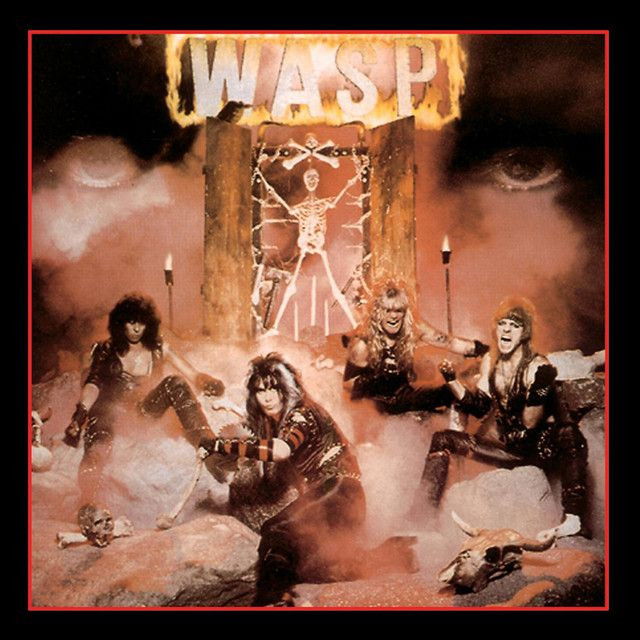
Sleeping (In the Fire) by W.A.S.P.
Why do some loves feel like stepping into danger—and staying there? W.A.S.P.’s 1984 power ballad stares into that heat and refuses to flinch.
"Sleeping (In the Fire)" - W.A.S.P.
Feeling the pain's denial
And your fingers in the fire
Loading lyrics...
Unable to load lyrics
We're unable to display the lyrics at this time. Please try again later.
Desire as a Warm Trap, Not a One‑Time Burn
At its core, the meaning of Sleeping (In the Fire) W.A.S.P. is about how temptation disguises itself as comfort. The lyrics frame intimacy as both balm and blade, where passion eases pain while also causing it. That paradox sits in images like fingers in the fire
, a willful act that risks harm for the thrill.
Interpretation: The song suggests a cycle—craving, surrender, numbness, repeat. It isn’t a cautionary lecture; it’s a confession about choosing the flame because it feels like life.
Watch the official Sleeping (In the Fire)
music video
Who’s Speaking From the Heat?
The voice is first person, a narrator pulled toward someone they can’t refuse. When they cry out the name
, it’s a plea as much as a prayer. The addressee might be a lover, but it could also be the idea of desire itself—what the chorus calls Lucifer’s magic
.
Interpretation: By giving temptation a face, the song turns an internal battle into a relationship. That makes the surrender feel intimate, even tender, which is why it’s hard to break.
The Story in Three Sparks
- The lure: Sensation comes first—touch, sight, heat. The narrator tests the boundary like
fingers in the fire
. - The spell: Temptation numbs judgment; the pull is described as
Lucifer’s magic
. - The fusion: Pleasure and hurt blend until
passion and all the pain are one
. The narrator knows the cost and stays.
What the Chorus Really Says
The hook reframes love as anesthesia. To be drunk on love
is to choose relief over reason, even when warning signs blaze. Calling it sleeping in the fire
sharpens the paradox: rest inside danger, safety inside risk.
Interpretation: The chorus matters because it doesn’t glamorize pain; it normalizes how people rationalize it. They tell themselves the fire is warm, not fatal.
Symbols and Motifs, Unpacked
- Fire: Not just destruction—also light, life, and purification. The song leans on fire’s double nature to show why the risk feels holy and necessary.
- Lucifer: A shorthand for temptation and glamour.
Lucifer’s magic
suggests charm that soothes and seduces while erasing limits. - Numbness: Emotional anesthesia. Being
drunk on love
explains why they stay; it quiets fear and blurs consequences. - Candlelight and gaze: Intimacy and focus. The small, controlled flame mirrors a private ritual where danger is chosen in secret.
Interpretation: Together, these symbols suggest an addictive loop—seek heat, get burned, feel relief, return for more.
How the Sound Makes the Heat Visible
Musically, W.A.S.P. temper their shock‑rock bite with a slow, brooding build. Clean arpeggios open space for Blackie Lawless’s grainy vocal, which cracks between seduction and ache. When the chorus hits, guitars swell and distortion blooms, matching the lyric’s leap from tease to surrender.
The melodic solo carries a pleading shape rather than flash, keeping the focus on longing instead of bravado. Drums sit behind the beat, letting phrases hang in the air like sparks. It’s classic ‘80s heavy metal drama, but the dynamics feel like breath—draw in, exhale, lean closer to the flame.
Context: Shock, Softness, and 1984 Metal
Released on W.A.S.P.’s 1984 self‑titled debut, the track stood out from faster cuts for its mood and melody. The band’s public image—spikes, blood capsules, and tabloid panic—often overshadowed their craft, yet this song shows their feel for ballad structure and cinematic tension.
Interpretation: In a decade obsessed with excess, “Sleeping (In the Fire)” reads like an inner monologue of that culture—seduced, numbed, and strangely at peace inside the blaze.
Alternate Lenses Worth Considering
- Addiction allegory: The fire can be any habit that comforts while it corrodes—substances, fame, even work. The chorus’s numbness language supports this read.
- Spiritual fall: With Lucifer named, the song can scan as a portrait of willful sin—knowing, choosing, then seeking absolution in the same place that harms.
Both readings thrive because the lyric keeps the “you” open. The flame is specific enough to feel real and wide enough to fit many temptations.
Final Ember
“Sleeping (In the Fire)” lasts because it tells the truth about desire’s double edge: people chase what hurts when it also heals. That’s the heat they keep returning to.
Disclaimer: This piece blends verified context with interpretation. Listeners may reasonably hear the song in other ways.