What "Wild Child" by W.A.S.P. Really Means
The meaning of Wild Child W.A.S.P. lies in the way it turns lust into legend: part seduction, part rebellion, part lonely confession.
"Wild Child" - W.A.S.P.
Provided by LyricFindI ride, I ride the wind to bring the rain
A creature of love and I can't be tamed
I want you, cause I'm gonna take your love from himLoading...Loading lyrics...
Unable to load lyrics
We're unable to display the lyrics at this time. Please try again later.
The Heart of the Song: Desire as Identity
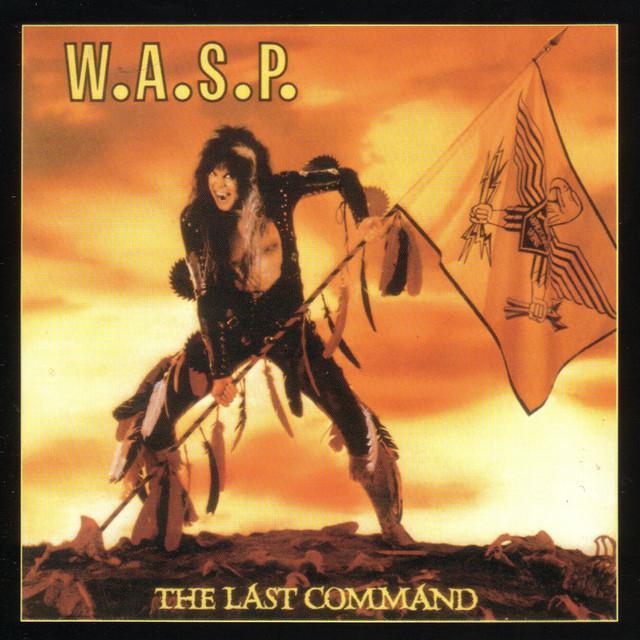
W.A.S.P.'s “Wild Child” opens The Last Command and was released as a single in May 1986. It was written by Blackie Lawless and Chris Holmes, produced by Spencer Proffer, and later reached No. 71 on the UK Singles Chart. It is widely classified as glam metal or heavy metal, depending on the source and framing. Those facts come from reference sources including Wikipedia and chart listings, gathered in the sources below.
So what is the song about? In simple terms, it presents a narrator who does not just feel desire; they build a whole identity around it. The speaker casts themself as untamed, irresistible, and dangerous. Early lines like ride the wind
and can't be tamed
make that image clear without much subtlety.
Interpretation: the song is less about a realistic romance and more about a fantasy self. The narrator wants to seem bigger than ordinary life, almost mythic. They are not simply flirting. They are announcing that they live outside rules.

Watch the official Wild Child
music video
A Voice Full of Swagger—and Need
The first thing listeners notice is confidence. The narrator tries to outshine a rival and claim the other person's attention. There is competition in the verses, and the language pushes hard toward conquest.
But the chorus adds a twist. When the singer calls themself wild child
, that sounds bold. Yet the phrase heart's in exile
changes the emotional color. Suddenly the song is not just about power. It is also about distance, isolation, and wanting connection.
That tension is key to the meaning of Wild Child W.A.S.P. The song works because it balances two opposing feelings:
- total confidence
- deep hunger for closeness
- freedom from rules
- fear of being emotionally shut out
The result is a classic 1980s hard-rock contradiction. The narrator acts invincible, but the chorus hints that they are driven by need.
How the Lyrics Build a Fantasy World
The verses use elemental imagery to make the speaker feel larger than life. Wind, rain, heat, fire, and midnight all show up as part of the song's emotional weather. Instead of everyday details, the lyrics move through dramatic symbols.
That is why even a phrase like burn alive the truth
matters. It suggests passion so intense that facts and social limits get consumed by feeling. In the same way, references to running away and secret meetings give the song a forbidden edge.
My heart's in exile
I need you to touch me
This short moment says a lot. After all the boasting, the narrator admits emptiness and dependence. That is the emotional hinge of the song.
Interpretation: listeners can hear the song as a power fantasy, but also as a portrait of someone using wildness as armor. The louder the swagger gets, the more it may hide loneliness.
The Chorus Turns Rebellion Into a Hook
A major reason the song endured is its chorus. It is simple, repetitive, and direct. Rather than telling a complicated story, it keeps returning to want, touch, and identity.
That repetition matters. Every return to the hook makes “wild child” sound less like a description and more like a role the singer must keep performing. They need the other person to confirm who they are.
In that sense, the chorus is not only seductive. It is pleading. The line come and love me
sounds commanding on the surface, but it also reveals dependence. The narrator needs a response.
Why the Sound Sells the Meaning
The production helps a lot. Spencer Proffer gives the track a polished 1980s metal sheen: big drums, bright guitar tone, and a chorus built to feel huge. The opening placement on The Last Command also matters, because it announces the album with speed, attitude, and instant melody.
The guitars drive the song forward with a heroic charge rather than a dark crawl. That makes the desire feel triumphant, not ashamed. Meanwhile, Blackie Lawless sings with a rough edge that keeps the track from becoming too slick. The voice carries both command and strain, which fits the lyric tension between dominance and need.
This blend of melody and aggression is one reason the track became one of the band's signature songs. Its music video also pushed the mythic mood, showing Lawless on a motorcycle in a desert and chasing a mysterious woman who keeps disappearing, ending in a trail of flames. That visual mirrors the lyrics' obsession with pursuit, danger, and fantasy.
Artist Context and the 1980s Metal Frame
W.A.S.P. built its reputation on shock, theatricality, and oversized emotion. “Wild Child” fits that image perfectly, but it also shows how the band could wrap strong pop structure inside heavy-metal style. It is flashy, but it is also carefully shaped.
The song's legacy goes beyond its original chart run. It appeared in the 2018 film Widows, and Finnish musician Alexi Laiho famously adopted the nickname “Wildchild” from the song. That kind of afterlife suggests the title became more than a hook; it became a recognizable rock archetype.
Final Take on the Meaning of Wild Child W.A.S.P.
The meaning of Wild Child W.A.S.P. is not hard to feel, even if it is open to interpretation. On the surface, it is a lust-fueled hard-rock anthem about chasing someone and living without restraint.
Underneath, it is also about building a fearless persona to cover emotional exile. The song makes rebellion sound sexy, but it quietly admits that even the wildest character wants to be chosen.
Disclaimer: This interpretation is based on the lyrics, performance, and documented context around the song. As with any song, meaning can vary from listener to listener.