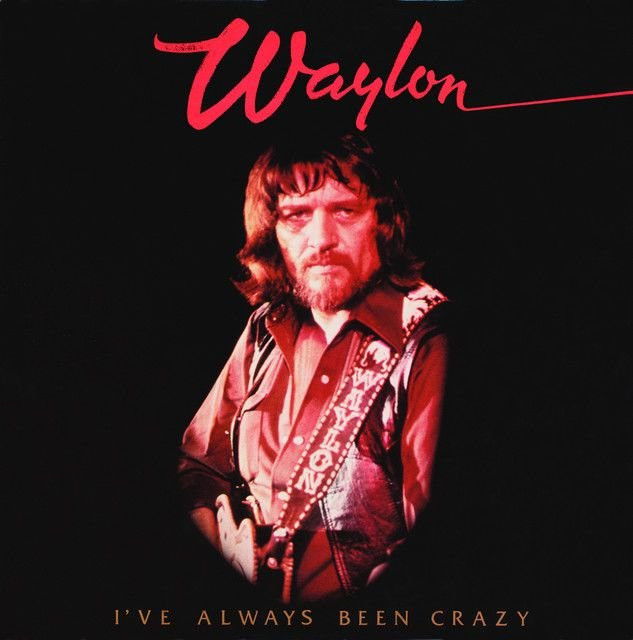
A Long Time Ago by Waylon Jennings
Why This Song Still Hits Hard
The meaning of A Long Time Ago Waylon Jennings centers on self-portraiture. They use the song to look back on a rough life without asking for pity. Instead of cleaning up their past, they present it with wit, pride, and a little weariness.
"A Long Time Ago" - Waylon Jennings
I'll admit I've taken things I never should've took
You can read a different story in a lot of different books
Loading lyrics...
Unable to load lyrics
We're unable to display the lyrics at this time. Please try again later.
Written by Waylon Jennings and Shel Silverstein, the song fits the rebel image that defined Jennings in the outlaw country era. According to the Country Music Hall of Fame, Jennings became one of the key artists who pushed back against Nashville control. That history matters here, because the lyric sounds like a man defending the life that made him famous.
Watch the official A Long Time Ago
music video
A Backward Glance Without Apology
At its core, the song is about memory and identity. The speaker looks back and admits failure, trouble, and restlessness. They confess to not fitting the expected image, saying they do not look like the usual cowboy star. That opening matters because it frames the whole song as a rejection of easy labels.
The repeated title phrase, a long time ago
, works in two ways. On the surface, it places the stories in the past. But emotionally, it also suggests that these experiences shaped them so deeply that the past is never fully gone.
Interpretation: the song is less about nostalgia than about ownership. They are not saying the past was simple or good. They are saying it was theirs.
The Narrator Builds a Myth, Then Humanizes It
One strength of the lyric is how it balances legend with honesty. The narrator mentions stealing, wandering, failed relationships, and wild years. These details could sound boastful, but the tone keeps shifting between swagger and self-knowledge.
When they mention being born with a fire down below
, the line captures lifelong restlessness. It is not just lust or rebellion. It suggests an inner drive that made ordinary domestic life feel impossible.
That idea continues in the image of fences that could not hold them. The song treats marriage, rules, and social expectations as structures that never fit the speaker for long. Rather than blaming other people, they admit that the problem was built into their nature.
Verse by Verse, the Song Tells One Life Story
The lyric unfolds like a quick memoir. Each verse adds another chapter:
- First, they reject the polished cowboy image.
- Next, they admit romantic chaos and personal instability.
- Then, they hint at pain, madness, and loss without spelling everything out.
- Finally, they place themselves beside Willie Nelson and the outlaw fight.
The most revealing section may be the one that says not to ask about years out in the rain
. That phrase turns hardship into weather. It is broad, plain, and effective. The speaker does not explain every wound because they believe the listener already knows enough.
Me and ol' Willie
sold and bought
only ones they caught
This brief passage sums up the public side of the song. The singer is not only talking about private mistakes. They are also talking about music business pressures and the outlaw brand that Jennings and Willie Nelson came to represent.
Outlaw Country Is More Than a Costume
The Willie Nelson verse is key to the meaning of A Long Time Ago Waylon Jennings. It moves the song from private confession to cultural statement. They are saying that the outlaw image was not just marketing. It came from real fights over freedom, image, and control.
Jennings was central to that shift. As noted in Britannica, he helped reshape country music in the 1970s by demanding creative control. In the song, the line about a system that we fought
turns biography into message. The singer presents rebellion as both personal habit and professional necessity.
Interpretation: the verse also pokes fun at fame. By saying they were not the only outlaws, just the most visible ones, the song laughs at how the industry sells rebellion once it becomes profitable.
How the Sound Supports the Story
Musically, the song fits Jennings' plainspoken authority. The arrangement leans on country roots rather than glossy production. The rhythm feels steady and lived-in, which lets the words carry the weight.
That matters because the lyric is crowded with biography. A busier arrangement could make it sound sentimental or theatrical. Instead, the instrumentation gives the singer room to sound conversational, almost like they are talking across a table.
Jennings' vocal delivery is especially important. They do not oversell regret. They sing with a dry, seasoned calm that makes the admissions feel credible. The effect is that of someone who has already argued with their past and no longer needs to win.
Humor, Regret, and Defiance in the Same Breath
Part of the song's appeal is its emotional mix. It is funny in places, especially when the singer undercuts their own legend. But underneath the humor is a sense of cost.
The references to rain, insanity, love, and running suggest damage as well as freedom. Even so, the closing attitude is not sorrow. It is hard-earned acceptance. The singer has stopped pretending they could have become someone easier to live with.
That is why the hook lands. I quit running
does not mean they became tame. It means they finally accepted who they were.
Final Take on the Song's Meaning
The meaning of A Long Time Ago Waylon Jennings is that a life can be messy, flawed, and still honestly owned. The song turns confession into self-definition. It shows a man looking back at sin, fame, rebellion, and survival without asking the listener to excuse any of it.
For many listeners, that directness is the point. The song is not a clean moral lesson. It is a tough, funny account of how outlaw identity is made from both choice and temperament.
Disclaimer: This interpretation is based on the released lyric, performance, and documented artist context. Like many great country songs, it remains open to more than one reading.







