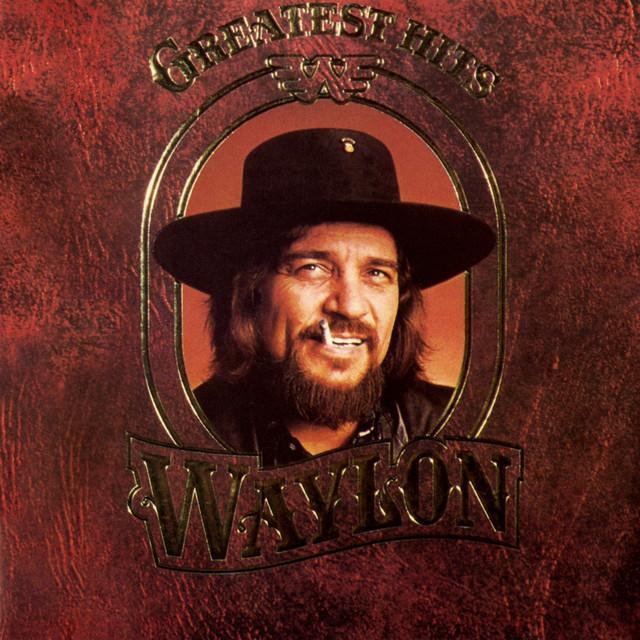
Amanda by Waylon Jennings
A tender country ballad becomes more powerful because it sounds like an apology spoken too late.
"Amanda" - Waylon Jennings
Provided by LyricFindI've held it all inward, God knows, I've tried
But it's an awful awakening in a country boy's life
To look in the mirror in total surpriseLoading...Loading lyrics...
Unable to load lyrics
We're unable to display the lyrics at this time. Please try again later.
Why This Love Song Still Cuts Deep
The meaning of Amanda Waylon Jennings begins with a man taking stock of his life and realizing what his partner has carried beside him. On the surface, the song is simple: a working musician addresses Amanda with love and regret. Under that surface, it is about aging, class, self-worth, and the fear that love may not be enough to make up for a hard life.
Waylon Jennings did not write the song; it was written by Robert Lee McDill. Jennings recorded it for his 1979 album Greatest Hits, and it became one of his signature songs. That matters, because Jennings’ public image as an outlaw country star adds extra weight to a lyric about a man wondering whether the woman he loves deserved someone steadier.

Watch the official Amanda
music video
A Narrator Looking in the Mirror
The first verse starts with emotional pressure that has been hidden for a long time. When the singer says he has kept things inside, the song opens with restraint rather than drama. Then comes the shock of self-recognition: he sees the age in my eyes
and understands time has moved faster than he wanted.
This is not just about getting older. It is about a person who suddenly sees the cost of his choices. The line about hair on his shoulders places him in a specific country-rock era, but it also suggests a life lived on the road, outside polite expectations.
Interpretation: the mirror scene works like a reckoning. He is not only noticing age; he is judging the man he became.
What Amanda Represents in the Chorus
The chorus is direct and heartbreaking. Calling Amanda light of my life
sounds warm and grateful. But the next thought changes everything: gentleman's wife
suggests she deserved comfort, status, and security that he feels he could not give.
That phrase is central to the meaning of Amanda Waylon Jennings. The singer does not doubt his love. He doubts his worth. In many country songs, love fights the world. Here, love survives, but guilt stays in the room.
There is also a class feeling in the chorus. A “gentleman” stands for respectability, money, and calm. The narrator sees himself as rougher, less settled, maybe less dependable. He loves Amanda deeply, yet he thinks love came with a cost to her.
The Hillbilly Band Is More Than a Detail
The second verse explains why the narrator feels this gap. He points to a hillbilly band
and the kind of life many outsiders do not respect. That line is not just defensive. It shows a man who knows his world brings joy, freedom, and identity, but also instability.
When he says he got my first guitar
at fourteen and is now older but still in jeans, the song traces a full adult life in a few lines. He has stayed true to music, but truth has not erased the sacrifices around it.
Three key story beats
- He admits he has hidden painful feelings.
- He sees his own aging face and feels regret.
- He turns to Amanda with love, while confessing she may have deserved an easier life.
That structure keeps the song intimate. It never wanders. Every detail leads back to the same emotional question: what does devotion mean when someone fears they have not provided enough?
How Waylon’s Voice and the Production Carry the Meaning
Jennings’ performance helps explain why the song lasts. His voice is steady, low, and worn in the best way. He does not oversing it. That restraint makes the regret feel believable, as if the narrator is speaking plainly because he has no energy left for excuses.
The arrangement is also important. The song stays grounded in country, with a soft rhythm section, clean guitar, and a gentle, unhurried pace. There is no flashy production to distract from the confession. Jennings’ broader career in the outlaw movement often emphasized artistic freedom, and here that independence shows up as emotional honesty.
Interpretation: the plainspoken sound mirrors the lyric’s self-examination. A bigger arrangement might have pushed the song toward sentimentality, but the controlled performance keeps it human.
A Song About Love, Shame, and Respect
One reason listeners keep returning to “Amanda” is that it honors two truths at once. First, the narrator is proud of his life in music. Second, he knows that pride does not erase the strain placed on a relationship. The song never says Amanda is unhappy, but it imagines her as someone who deserved tenderness without hardship.
That balance is what gives the lyric maturity. Instead of blaming fate alone, the singer accepts responsibility. Even when he mentions fate, it sounds less like an excuse and more like sorrow.
For many listeners in the United States, the song also speaks to a familiar tension: the pull between freedom and stability. The narrator chose a path that gave him identity, yet he fears that choice made life harder for the person he loves most.
Final Take on the Meaning of Amanda Waylon Jennings
The meaning of Amanda Waylon Jennings is not just romantic devotion. It is love filtered through self-doubt, aging, and class awareness. The song shows a man who finally understands that being loved is not the same as being easy to live with.
That is why “Amanda” endures. It sounds like a love song, but it lands like a confession. Interpretation: its deepest message may be that real love includes gratitude, guilt, and the courage to say both out loud.
Disclaimer: Song meaning is interpretive. This reading is based on the released lyrics, Jennings’ performance, and widely available historical context.







