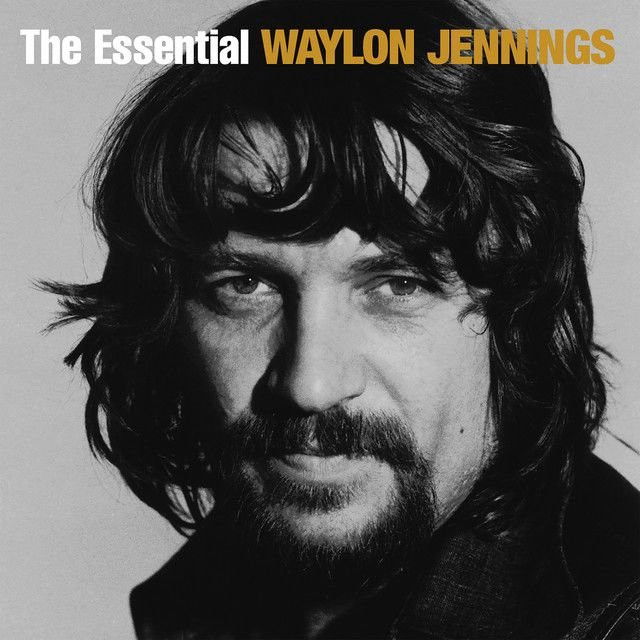
I Ain't Living Long Like This by Waylon Jennings
The fast answer behind the outlaw hook
The meaning of I Ain't Living Long Like This Waylon Jennings comes down to a hard truth: the song is about a person trapped in a reckless life they know cannot last. It is not a celebration of crime so much as a warning from inside it.
"I Ain't Living Long Like This" - Waylon Jennings
Straight down the barrel of a lawman's gun
I tried to run but I don't think I can
Loading lyrics...
Unable to load lyrics
We're unable to display the lyrics at this time. Please try again later.
Written by Rodney Crowell and turned into a No. 1 country hit by Waylon Jennings in 1979 on What Goes Around Comes Around, the song fit Jennings' outlaw image perfectly while also exposing the cost of that image. According to American Songwriter, Crowell drew from real memories and even finished part of the song in jail. Jennings' version later became his eleventh No. 1 country single, as reflected in Billboard chart history.
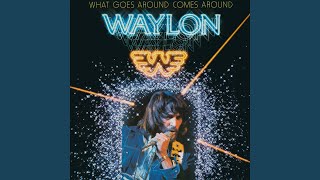
Watch the official I Ain't Living Long Like This
music video
A narrator who already sees the ending
The song opens with danger already in progress. The speaker admits they seek out chaos and end up staring at a lawman. That matters because the song does not present bad luck as random. The narrator has helped create this mess.
Short phrases like look for trouble
and lawman's gun
tell the story fast. In plain terms, the speaker lives by impulse, then realizes the bill has come due.
This is why the chorus hits so hard. Ain't living long like this
is more than fear of dying young. It also means this life is spiritually worn out, unsustainable, and empty.
How the verses build a full life story
Trouble is not just one bad night
The song moves like a short film. First comes the arrest. Then comes the jail cell. After that, it reaches backward into family history and sideways into romance. Each piece explains why this person keeps circling the same trouble.
One verse suggests a rough upbringing around bars, speed, and instability. A dead father and the memory of a drunk man's breath paint a home life shaped by absence and damage. The song never says that background excuses anything. It suggests the cycle started early.
Another verse shifts to a lover named Angel, described as a roadhouse queen. That image keeps the world of the song rooted in nightlife, temptation, and drift. Even love cannot fully save the narrator, because they admit they do not know how to love well.
Can't sleep at all
in a jailhouse, baby
That brief moment sums up the whole song. The speaker is physically trapped, but the deeper prison is the life pattern itself.
The chorus is a warning, not a boast
A lesser singer could make this song sound like a cool outlaw slogan. Jennings does something smarter. They lean into the line with force, but also with fatigue.
Interpretation: the chorus works as self-diagnosis. The narrator is not saying they are too wild to be stopped. They are saying the current path ends in ruin, prison, or death.
That distinction is the key to the song's staying power. Many country songs describe rebels. This one lets listeners hear the rebel's private moment of honesty.
Why Waylon Jennings was the right voice
Jennings had already become one of country music's defining outlaw figures by the late 1970s. That public image made the recording instantly believable. But the performance works because they sound lived-in, not theatrical.
Their vocal phrasing is blunt and heavy. The words land like someone who has told themselves the truth too late. That makes the song feel older and sadder than a standard cops-and-robbers tale.
It also helped that the song already had a history. Gary Stewart recorded it first, then Emmylou Harris and Crowell cut their own versions before Jennings made it a hit. Jennings did not invent the song's meaning, but they sharpened its edge for a wider audience.
How the sound carries the message
Musically, the track sits between country, rock, and outlaw swagger. The beat pushes forward like a chase scene, while the guitars and drums give it a barroom toughness. Producer Richie Albright keeps the arrangement tight and driving rather than polished.
That matters to the meaning. The song is about momentum that has become destructive. The rhythm rarely relaxes, so listeners feel the same trapped motion as the narrator.
There is also a tension between fun and dread. The groove is catchy, almost rowdy, yet the lyrics keep pointing toward collapse. That contrast mirrors the life being described: exciting on the surface, deadly underneath.
Symbols that keep repeating
Several images return again and again:
- Guns and handcuffs: consequences are always close.
- Jailhouse space: not just a cell, but a symbol of a dead-end life.
- Cars and roads: motion without progress.
- Bars and roadhouses: places of escape that become traps.
The line wheel goes 'round
is especially important. Interpretation: it suggests fate, repetition, and a cycle the narrator cannot break. The song's world keeps moving, but nobody in it is really getting free.
The deeper meaning beneath the outlaw surface
At heart, this is a song about inheritance and habit. The narrator seems born into a fast, unstable environment, then repeats it in adult life. They know better, yet knowledge alone is not enough to stop the pattern.
That is why the song still resonates. Listeners do not have to identify with jail or running from police to understand it. Many know what it means to keep living in a way that cannot last.
So the meaning of I Ain't Living Long Like This Waylon Jennings is both specific and universal. Specifically, it tells an outlaw story full of arrest, bad decisions, and hard living. More broadly, it is about recognizing a self-destructive cycle while still being stuck inside it.
Final takeaway
Waylon Jennings turned Rodney Crowell's sharp story song into something bigger: an anthem with a warning label. It sounds tough, but its real power comes from fear, weariness, and self-awareness.
That is why the song endures. It does not just ask whether the narrator will get caught. It asks whether a person can see the truth about their life in time to change it.
Disclaimer: This interpretation is based on the lyrics, recording context, and documented history, but song meaning can remain personal and open to different readings.







