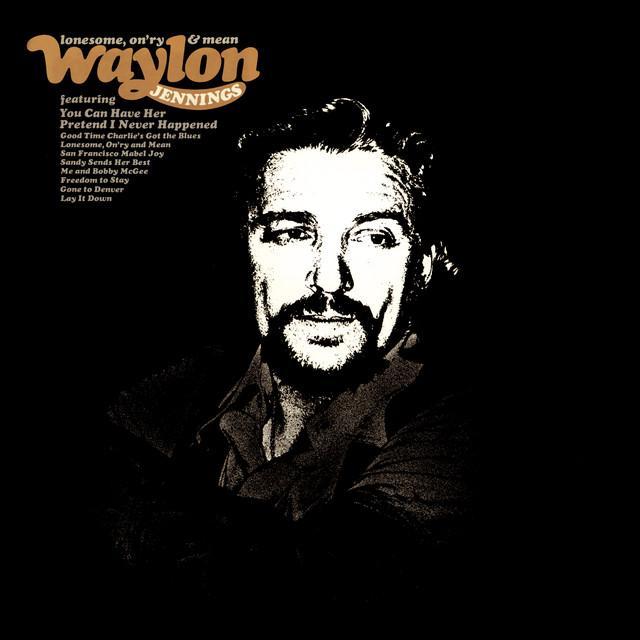
Why Waylon's Saddest Goodbye Still Cuts Deep
A breakup song that asks for erasure
The meaning of Pretend I Never Happened Waylon Jennings starts with a painful idea: the singer does not ask to be forgiven, remembered, or chased. They ask to be erased. That makes the song more than a standard country breakup ballad. It is about shame, emotional distance, and the belief that the kindest thing they can do is disappear.
"Pretend I Never Happened" - Waylon Jennings
Erase me from your mind
You will not want to remember
Loading lyrics...
Unable to load lyrics
We're unable to display the lyrics at this time. Please try again later.
Written by Willie Nelson and recorded by Waylon Jennings, the song fits naturally into the emotional world both artists knew so well: hard love, wandering, and plainspoken regret. Jennings was a central figure in outlaw country, a movement built on artistic control and rougher honesty than the polished Nashville sound, as noted in his Country Music Hall of Fame profile. That directness matters here. The song does not hide behind poetry. It hurts in simple words.
Watch the official Pretend I Never Happened
music video
The core message beneath the chorus
At the center of the song is a plea to forget. When the singer says Pretend I never happened
and Erase me from your mind
, they are not being dramatic just for effect. They believe the relationship caused damage, and they see memory itself as part of that damage.
The next line sharpens the point with Any love as cold as mine
. That is the emotional key to the whole song. The singer does not mainly blame the other person. They blame themselves for being unable, or unwilling, to love warmly enough.
Interpretation: This self-judgment can be read in two ways. It may be sincere remorse. It may also be emotional self-protection, where they decide they are beyond repair and leave before hearing the other person speak.
A narrator already halfway gone
The leaving matters as much as the regret
The verses show someone in motion. They are not just ending a romance; they are physically leaving. The phrase leaving in the morning
gives the song a clear timeline and a country-music image of departure at daybreak.
That matters because movement is part of the singer's identity. They hope for a place I hope I find
, which suggests they do not even know where peace is. They only know they cannot stay where they are.
This gives the song a drifter quality that fits Jennings especially well. According to his biography, he helped define outlaw country with music that often favored restless men, open roads, and emotional plainness. Even in a Willie Nelson composition, Jennings sounds like a man born to leave.
How the lines build the theme of self-erasure
One striking thing about the lyric is how little it asks from the other person. There is no request to wait, no promise to change, no claim that love can still be saved. Instead, the singer imagines the ex moving on and filling time elsewhere.
That emotional restraint makes the song sadder. They do not say, in effect, “you will miss me.” They say the opposite. If they ever cross your mind
, it should only be briefly. Then they return to the same request: forget.
Pretend I never happened
Erase me from your mind
This short refrain works like a wound reopening. Each return to it confirms that the singer sees memory as a burden, not a comfort.
Why Waylon Jennings makes it hit harder
Voice, phrasing, and outlaw restraint
Jennings' performance is crucial to the song's meaning. Factually, his singing style was known for a rough-edged tone and strong phrasing, qualities widely associated with his career and legacy. In this song, that vocal weight makes the narrator sound tired rather than theatrical.
He does not over-sing the pain. That choice matters. A bigger, more explosive delivery could turn the song into self-pity. Jennings keeps it grounded, so the regret feels lived-in.
The production also supports the lyric. The arrangement is classic country: steady rhythm, clean melodic framing, and space around the vocal. Instead of distracting from the message, the instrumentation lets the emptiness sit in the room. The song feels lonely because there is so much air in it.
The sound of a man taking the blame
Country songs often use steel guitar, soft backing parts, and a slow tempo to signal sorrow. Here, those choices do more than signal sadness. They underline resignation. Nothing in the track pushes toward redemption. It moves forward, but heavily, like someone carrying a bag out the door.
Interpretation: The simplicity of the arrangement mirrors the singer's emotional logic. They have reduced the situation to one harsh conclusion: if their love was cold, then absence is mercy.
Willie Nelson's writing and the song's quiet cruelty
Willie Nelson wrote the song, and his best writing often makes devastating feelings sound conversational. That is true here. The lyric does not use grand images or twists. It speaks plainly, which makes lines about forgetting feel even more severe.
There is also a quiet cruelty in the title phrase, though it is mostly aimed inward. To ask someone to act as if a relationship never existed is not normal closure. It is emotional deletion. The singer would rather become a blank space than remain as a bad memory.
That idea gives the song its lasting power. Many breakup songs ask whether love can survive. This one asks whether the past should survive at all.
The lasting meaning of Pretend I Never Happened
So what is the meaning of Pretend I Never Happened Waylon Jennings? At its heart, it is a song about a person who believes they failed at love so completely that remembrance itself feels unfair. They choose departure over repair, and erasure over nostalgia.
That is why the song still lands. It captures a hard truth many listeners recognize: sometimes heartbreak is not only about losing someone else. Sometimes it is about fearing what kind of person they were while the love was alive.
That mix of regret, pride, and loneliness is where Jennings excels. He makes the song sound less like a scene and more like a sentence already accepted.
Disclaimer: This interpretation is based on the released lyric, recording, and known artist context. As with most songs, listeners may hear different meanings in the same words.








