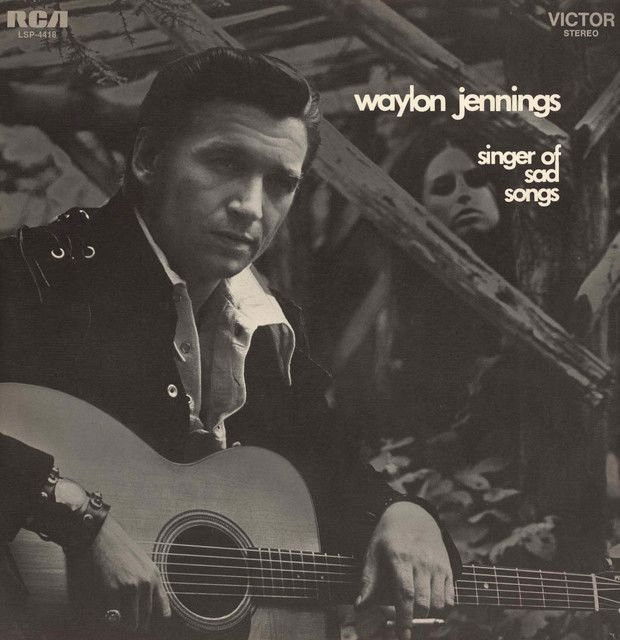
Why Waylon Jennings Makes 'Rock, Salt and Nails' Hurt
The meaning of Rock, Salt and Nails Waylon Jennings starts with heartbreak, but it does not stay there. This is not just a sad country song about being left behind. It is a portrait of wounded pride, sleepless anger, and the ugly thoughts that can follow betrayal.
"Rock, Salt and Nails" - Waylon Jennings
Wild birds warble the strange soundin' song
By the banks of the river where the waters run cold
Loading lyrics...
Unable to load lyrics
We're unable to display the lyrics at this time. Please try again later.
Written by Bruce "Utah" Phillips, the song became a modern folk-country standard through many recordings, including Waylon Jennings' version. Phillips is widely credited as the writer in song databases and reference sources such as AllMusic and Discogs. Waylon's reading matters because he leans into the song's bitterness without losing its loneliness.
A Breakup Song That Refuses to Stay Gentle
At the core, the song tells the story of someone who believed a lover and paid for it. The setting by the river gives the opening a natural, almost old-ballad feel, but that beauty quickly turns cold. Phrases like willows grow cold
and waters run cold
make emotional pain feel physical.
Interpretation: the riverbank is not only a place. It acts like a memory trap. The speaker returns to the spot where trust broke down, and nature seems to repeat the betrayal back to them.
That is why the song feels heavier than a simple complaint. The narrator is not only sad; they are stuck inside the moment when they first heard the lies that she told
. The memory keeps replaying.

Watch the official Rock, Salt and Nails
music video
The Sleepless Middle of the Story
The next part of the song moves from memory into aftermath. The man in the song lies awake, crying and unable to rest. The line about a night without sleep
shows that this pain has become a bodily condition, not just an emotion.
This matters because the song is honest about how heartbreak can deform time. Nights become longer. Thoughts become louder. Even the old letters, meant to carry love, now feel pointless and cruel.
Shame, Ego, and the Echo of a Name
One of the sharpest details is the idea that the woman's conscience still carries the speaker's name. Whether that is true or just wishful thinking, it reveals something important.
Interpretation: the narrator wants more than reunion. They want the other person to feel guilt. That wish turns the song from pure sorrow into something more complicated: hurt mixed with pride.
This is one reason the track lasts in listeners' minds. It does not pretend that heartbreak produces noble feelings. It admits that pain can become possessive and vindictive.
Why the Blackbirds and Squirrels Matter
The most famous verse uses strange animal images and then swerves into the title image. At first, the comparisons sound almost playful, with women imagined as birds or squirrels. Then the fantasy turns threatening with rock salt and nails
.
If the ladies were blackbirds
and the ladies were thrushes
This brief image matters because it shows the mind wandering into exaggeration. The speaker imagines hunting what has hurt them, but in a symbolic, almost folk-tale way.
Interpretation: this is not best read as a literal plan. It is a dramatic expression of humiliation and anger. In old rural language, rock salt in a shotgun load can suggest punishment or warning rather than outright murder, though the added nails make the image harsher and uglier. The point is emotional violence: the betrayed speaker wants to strike back at the source of their shame.
Waylon Jennings' Voice Gives the Song Its Weight
Waylon Jennings recorded many songs that balanced toughness and vulnerability, a quality central to his career as a leading outlaw-country figure, as outlined by the Country Music Hall of Fame and Britannica. That balance is crucial here.
He does not sing this material like a polished crooner. They hear a rough, controlled ache in his delivery. His phrasing leaves room for silence, which makes the bitterness feel earned rather than theatrical.
The Country Arrangement as Emotional Proof
The production supports that reading. The arrangement is spare and grounded in classic country-folk textures: steady rhythm, plainspoken accompaniment, and a melody that lets the words carry the wound. Instead of smoothing out the song's cruelty, the performance keeps it stark.
That restraint matters. If the track were bigger or more dramatic, the revenge image might sound cartoonish. In Jennings' hands, it sounds like a bad thought spoken aloud at the end of a long lonely night.
Folk Roots, Country Bite
Because Bruce "Utah" Phillips came from folk tradition, the song carries an old-story quality. Its repeated natural imagery, plain diction, and moral darkness make it feel older than any one recording. Waylon brings that folk skeleton into country music with a harder edge.
That mix helps explain why the meaning of Rock, Salt and Nails Waylon Jennings remains so striking. Folk gives it mythic distance; country gives it bruised realism.
The Lasting Meaning of the Song
In the end, the song is about what betrayal does to the mind. It begins in sadness, sinks into insomnia, and finally erupts in revenge fantasy. The emotional journey is the real subject.
For many listeners, that is why the song still works. It understands that heartbreak is not tidy. People may miss someone, hate them, and want them to feel sorry all at once.
Final Thought
Waylon Jennings makes this song feel human because they do not clean up its rough emotions. They let the listener sit with grief, ego, and anger together. That honesty is the song's deepest power.
Disclaimer: This interpretation is based on the lyrics, recording context, and common critical readings. As with most songs, listeners may hear different meanings in the same images.








