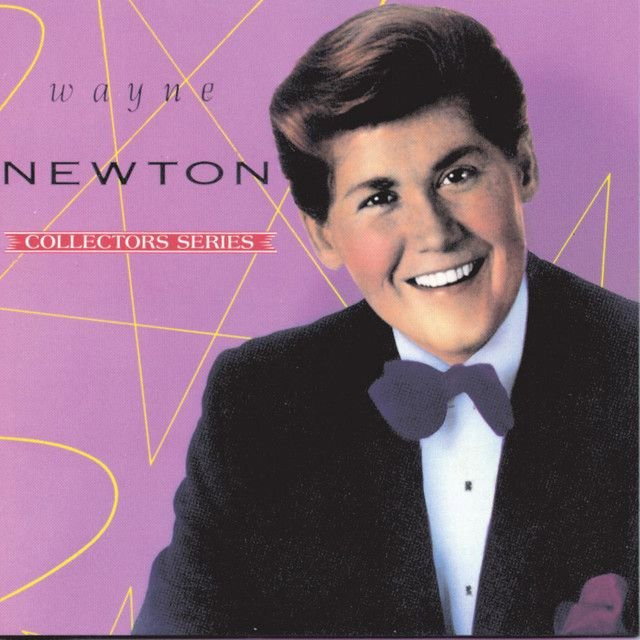
Danke Schoen by Wayne Newton
A breakup song that smiles through the pain
The meaning of Danke Schoen Wayne Newton starts with a clever emotional twist. On the surface, the singer says thank you. Under that polite tone, though, they are sorting through a romance that has already ended.
"Danke Schoen" - Wayne Newton
Thank you for all the joy and pain
Picture shows, second balcony
Loading lyrics...
Unable to load lyrics
We're unable to display the lyrics at this time. Please try again later.
The title means “thank you very much,” and the song uses that phrase almost like a mask. The narrator sounds graceful and controlled, but the details reveal hurt, embarrassment, tenderness, and real longing. This is not a happy love song. It is a memory song about trying to leave with dignity.
Factually, the melody came from Bert Kaempfert, with lyrics by Kurt Schwabach and English lyrics by Milt Gabler. Wayne Newton’s 1963 version became the best-known recording, reaching No. 13 on the Billboard pop chart and helping define his early career, as noted by American Songwriter and the song’s Wikipedia entry.

Watch the official Danke Schoen
music video
The real message hidden inside “thank you”
At its core, the song is about mixed feelings after a breakup. The narrator thanks a former partner for the good times, but also for the lessons that came with pain. Early on, the line joy and pain
makes that balance plain.
That pairing matters. The singer is not pretending the relationship was perfect, and they are not trying to fully condemn it either. Instead, they hold both truths at once: the romance was beautiful, and it also ended badly.
Interpretation: That emotional balance is why the song still works. Many breakup songs lean hard into anger or heartbreak. “Danke Schoen” does something more mature. It shows how people often remember love in fragments, where sweetness and sadness stay tied together.
Small memories make the story feel real
Rather than speak in general terms, the lyric builds its meaning through scenes. There are movie dates, park walks, carved initials, and awkward moments that now seem almost funny. Phrases like second balcony
and Central Park in fall
give the song a lived-in quality.
These details tell listeners that the relationship mattered because it was ordinary as well as romantic. The couple did not only live in grand passion. They shared cheap dates, public places, private jokes, and moments that became permanent in memory.
Though we go on our separate ways
Still the memory stays for always
That brief passage is the emotional center of the song. The relationship is over, but memory is not. The singer accepts separation while admitting the past still has power.
A polite voice with a sharp edge
One of the song’s smartest turns comes when the narrator says don’t explain
. That short phrase changes the tone. Until then, the song sounds like pure gratitude. Suddenly, listeners hear frustration and mistrust.
This suggests the breakup may have involved dishonesty, excuses, or emotional confusion. Even so, the singer refuses a dramatic confrontation. They stay composed. That restraint is important to the song’s character.
Interpretation: The “thank you” in the chorus can be heard two ways:
- sincere thanks for love that once felt real
- a slightly ironic goodbye aimed at someone who caused hurt
Both readings fit the lyric. That ambiguity gives the song its charm.
Why Wayne Newton’s performance matters so much
Newton recorded the song in 1963, when he was only 21. His youthful voice gives the record a special tension. The lyric sounds older and wiser than a typical teen love song, yet his delivery keeps it light and approachable.
That balance helped make the recording memorable. According to reporting collected by major song-history sources, Capitol originally eyed the song for Bobby Darin. After hearing Newton perform, Darin pushed for Newton to have it instead. Whether listeners know that story or not, they can hear why the song suits him: he sounds suave, eager, and faintly wounded all at once.
How the arrangement sells the emotion
Musically, “Danke Schoen” sits in the traditional pop and swing world. The arrangement is polished, melodic, and easy on the ear, with orchestral touches that make the song feel classy rather than raw.
That matters for meaning. A harsher arrangement would turn the lyric bitter. Instead, the smooth tempo and warm backing let the memory feel soft around the edges. The singer is looking back, not exploding in the moment.
Session details tied to the recording show a high-level studio team and arranger Jimmie Haskell, which helps explain the record’s clean, elegant shape. The instrumentation supports the lyric’s emotional strategy: pain is present, but it arrives wrapped in charm.
Why the song stayed alive in pop culture
Part of the song’s long life comes from contrast. It sounds cheerful enough for movies, ads, and nostalgic scenes, but its story is more bittersweet than casual listeners may notice at first.
That is one reason it worked so well in Ferris Bueller’s Day Off, where its playful public image reached a new audience. Yet outside that famous scene, the song keeps returning because it captures a familiar feeling: being thankful for what was, even when it did not last.
The repeated my heart says danke schoen
sums it up neatly. The head may know the relationship is done. The heart still answers with gratitude.
The lasting meaning of Danke Schoen Wayne Newton
In the end, the meaning of Danke Schoen Wayne Newton is not just “thank you.” It is “thank you, even now.” The singer looks back on a finished romance and chooses remembrance over revenge.
That choice gives the song its grace. It honors the joy, admits the damage, and accepts that love can end without losing its emotional weight. Few pop songs say goodbye so gently.
Disclaimer: This article offers a good-faith interpretation based on the released lyrics, recording history, and documented context. As with any song, listeners may hear different meanings in the details.









