El Scorcho by Weezer
Why This Song Still Feels So Human
The meaning of El Scorcho Weezer starts with a simple problem: they like someone so much that they cannot act normal around them. Instead of sounding smooth or confident, the narrator sounds jumpy, funny, and exposed. That is the key to the song’s power.
"El Scorcho" - Weezer
Ay carumba!
Goddamn you half-Japanese girls
Loading lyrics...
Unable to load lyrics
We're unable to display the lyrics at this time. Please try again later.
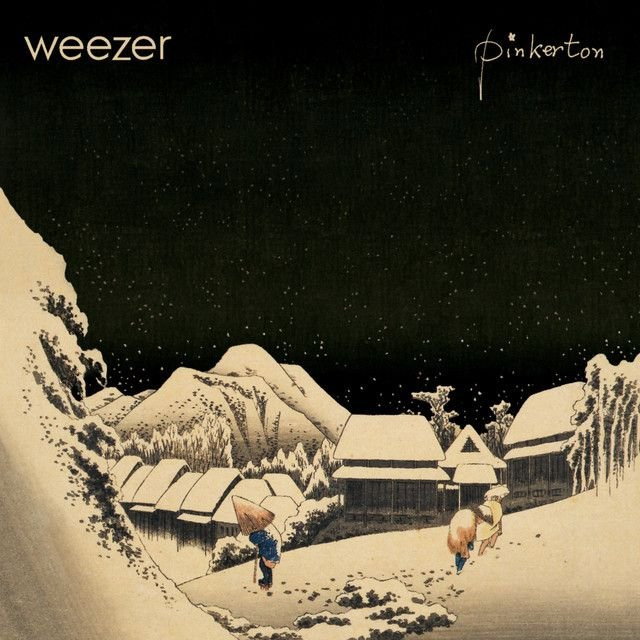
Released on Weezer’s 1996 album Pinkerton, “El Scorcho” came from a period when Rivers Cuomo was writing in a more raw and personal way than on the band’s debut. The song turns romantic anxiety into something loud, messy, and oddly sweet. It is about wanting connection while feeling too self-conscious to reach it.

Watch the official El Scorcho
music video
The Core Meaning Behind the Chaos
At heart, the song is about a crush that feels overwhelming. The narrator puts the other person on a pedestal, imagines a shared future, and then immediately undercuts that fantasy with embarrassment. They are not just nervous about rejection. They are nervous about being seen at all.
That is why the lyrics jump so fast between desire, jokes, pop culture, and self-mockery. The mind of the speaker is racing. One moment they are deeply sincere; the next they are hiding inside humor.
When they say Hello, I'm here, I'm waiting
, the idea is direct and vulnerable. They want to be noticed. Then the chorus adds I'd be good for you
, which sounds hopeful but also a little desperate. They are trying to sell the possibility of a relationship before one has even begun.
A Narrator Who Talks Too Much Because They Are Scared
The song’s voice is nervous on purpose
The first-person narrator comes off as someone who cannot stop thinking, even when thinking makes things worse. They are attracted, intimidated, and hyper-aware of every signal.
One of the clearest moments comes when they admit I can't talk about it
and need to sing instead. Paraphrased, that means music becomes safer than real conversation. They can confess in a song what they cannot say face to face.
How stupid is it?
For all I know
you want me too
This short section captures the song’s emotional trap. They suspect the feelings might be mutual, but fear keeps them frozen. The song is not really about certainty; it is about overthinking possibility.
How the Verses Build the Story
The verses work like snapshots from an awkward courtship:
- The narrator is instantly captivated and feels powerless around this person.
- They try to read signs of compatibility through taste, habits, and little details.
- They imagine romance, domestic partnership, and emotional closeness.
- They crash back into reality because they cannot even make eye contact without shaking.
That movement matters. “El Scorcho” is not a straight love song. It is a song about how fantasy expands when real communication fails. Even small facts become huge clues. A concert invite, a diary entry, and scattered cultural references all become evidence in a private investigation.
Attraction, Projection, and the Problem of Idealizing Someone
An important part of the meaning of El Scorcho Weezer is projection. The narrator thinks they understand the other person because of shared quirks and imagined chemistry. They keep saying they are alike, as if similarity could solve everything.
Interpretation: this can be read as sincere hope, but also as a sign that the narrator is filling in gaps with fantasy. They may know very little about the person beyond what they have observed. That is why the song feels both romantic and uneasy.
The line about being a lot like you
shows this tension. It sounds comforting, yet it may also be wishful thinking. They are trying to close emotional distance by declaring a bond that has not fully formed.
The Sound Makes the Anxiety Bigger
“Weezer” built the track to sound unsettled in a useful way. The guitars are crunchy but not polished, the rhythm shifts feel jumpy, and Cuomo’s vocal delivery often sounds like thought spilling out in real time. According to Weezerpedia, the song was written by Rivers Cuomo and issued as a single from Pinkerton.
This matters because the production mirrors the lyrics. A smoother arrangement might have made the song feel flirtatious or cool. Instead, the band keeps it twitchy and slightly off-balance. The stop-start energy makes the listener feel the narrator’s nerves.
There is also a playful contrast at work. The melody can be catchy and bright even when the words reveal panic. That split between musical fun and emotional discomfort is central to why the track endures. It lets the song be funny without making the feelings fake.
Context: Why Pinkerton Changes the Reading
Within Pinkerton, “El Scorcho” fits a larger pattern of confession, longing, and self-exposure. The album was famously rougher and more personal than Weezer’s earlier power-pop breakthrough. In hindsight, many critics and fans came to see Pinkerton as a major emo and alternative touchstone, even though its initial reception was mixed.
That context sharpens the song’s meaning. It is not just a quirky single full of references. It is part of a bigger artistic move toward discomfort and honesty. Cuomo was less interested in sounding polished than in sounding true to embarrassment, obsession, and desire.
So What Does “El Scorcho” Mean?
The best way to read it is as a portrait of romantic panic. The narrator wants love, but they cannot stop getting in their own way. They turn attraction into comedy, analysis, fantasy, and noise because direct speech feels too risky.
Interpretation: the song is both self-aware and sincere. It knows the crush is making the speaker look foolish, but it also believes those feelings matter. That balance is why “El Scorcho” still connects. It understands that sometimes people do not fall in love gracefully. They stumble into it, overthink it, and sing through the embarrassment.
Disclaimer: This interpretation is based on the lyrics, recording context, and public information about the song. As with most art, listeners may hear different meanings in it.








