Why 'My Name Is Jonas' Still Hits So Hard
The meaning of My Name Is Jonas Weezer starts with pressure. The song sounds inviting at first, then quickly turns into a story about plans breaking down, family worry, and a system that asks people to keep moving even when the wheels are falling off.
"My Name Is Jonas" - Weezer
I'm carryin' the wheel
Thanks for all you've shown us
Loading lyrics...
Unable to load lyrics
We're unable to display the lyrics at this time. Please try again later.
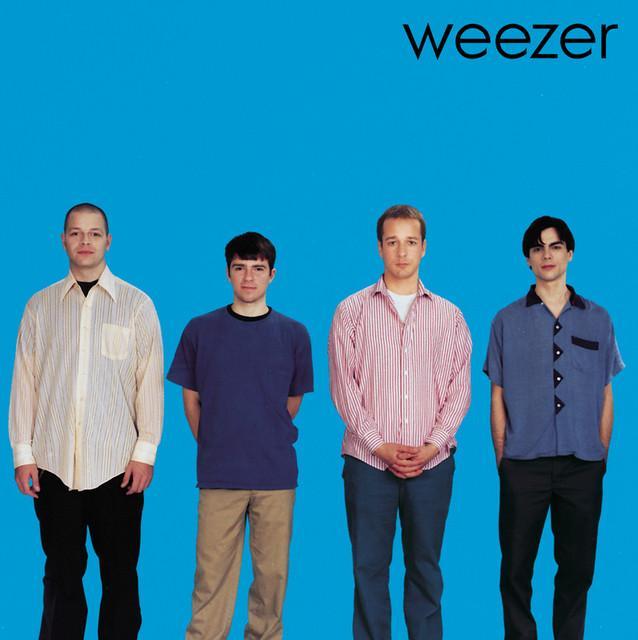
Released as the opening track on Weezer's 1994 debut, Weezer—better known as The Blue Album—the song was written by Rivers Cuomo, Patrick Wilson, and Jason Cropper, and produced by Ric Ocasek. It was also the album's only promotional single. In band history, it matters because Cropper wrote the acoustic intro before leaving the group, making his contribution a key part of the song's identity.
The Big Idea Behind the Song
On the surface, the narrator introduces himself with My name is Jonas
. But that name is less about one person than a role. He sounds like someone forced to carry a burden for others, especially in the phrase carryin' the wheel
, which suggests responsibility, labor, and keeping something broken in motion.
Factual context: Cuomo said the song was inspired by his brother's insurance problems after a serious car crash while in college. He described it as a song about how a larger system hurts regular people. That backstory helps explain why the lyrics mix family details with images of stalled work, bad planning, and official concern.
Interpretation: The song turns one family problem into a bigger statement about modern life. It is about what happens when institutions promise order but deliver confusion, delay, and stress instead.
Watch the official My Name Is Jonas
music video
From Cozy Memory to Public Failure
One reason the song lands so well is its structure. It starts in a domestic space, where tea and grandma suggest comfort, safety, and childhood routine. Then that comfort fades. The narrator remembers a time when things felt better, but only as a contrast to the mess that follows.
That shift matters. Weezer moves from private memory to public machinery. The song's train, wheel, tank, building, and dozer all belong to systems of movement and construction. Yet almost every machine in the song feels compromised.
Things were better then
once but never again
That brief moment sums up the emotional turn. The past is not presented as perfect, but it is still safer than the present. The song's ache comes from knowing there is no easy way back.
Why the Images Feel So Strange
The lyrics use playful, almost childlike objects, but they are not comforting for long. A box of toys appears, but they are fresh out of batteries
. They still make noise, which is funny at first, then sad. Something worn out keeps rattling on, long after its power should be gone.
That is a good picture of burnout. People and systems both continue out of habit, not health. The same thing happens with the vehicle images: the tank runs dry, the wheel goes flat, the path will not clear. Motion is supposed to solve problems, yet movement keeps failing.
Interpretation: The song may be showing how adulthood feels when the things meant to support life—money, work, institutions, planning—turn unreliable. Even basic progress starts to look absurd.
The Chorus as a Cost of Growing Up
The train section is one of the song's sharpest ideas. It sounds adventurous, but the price is mental and emotional. The narrator and others are willing to board anyway, which gives the moment a youthful, reckless energy.
In that sense, the train works two ways:
- It suggests entering adulthood or society.
- It hints at buying into a system without seeing the full cost.
- It captures how momentum can feel exciting and dangerous at once.
The line about paying with the mind is especially important. The song does not present the cost as money alone. It is attention, peace, sanity, and trust.
How the Sound Carries the Meaning
Musically, "My Name Is Jonas" is a great example of why early Weezer stood out. The acoustic intro feels intimate and handmade. Then the band crashes in with thick guitars, tight drumming, and big power-pop hooks.
That loud-soft contrast mirrors the lyrics. The soft opening holds memory and family. The heavier sections feel like impact, pressure, and grinding machinery. Ric Ocasek's production keeps everything clean enough to sing along with, but strong enough to hit hard.
This balance is part of the song's appeal. It is catchy without sounding shallow. Critics have long praised its craft, and its lasting reach is clear from later uses in games like Guitar Hero III and its RIAA Gold certification in the United States.
Why the Ending Feels Defeated
When the song repeats the workers are going home
, it sounds simple, but it lands like a verdict. Work has stopped. The project is not finished. Whatever plan was supposed to hold everything together has failed.
Interpretation: That ending can be heard in a few ways. It may suggest laborers walking off a broken job, people giving up on false promises, or a family realizing no one is coming to fix things quickly. Each reading points to the same core feeling: exhaustion after struggle.
The return to My name is Jonas
at the end closes the circle. The burden remains. The person speaking is still stuck with it.
Why the Song Still Resonates
The meaning of My Name Is Jonas Weezer still connects because the song understands a common fear: that the systems built to help people may instead trap them. It wraps that fear in melody, humor, and vivid images, which makes the message easier to feel and harder to forget.
It is both personal and social, warm and frustrated, funny and bleak. That tension is exactly why it remains one of Weezer's strongest openers.
Disclaimer: This interpretation combines documented background with critical reading of the lyrics and sound. Some meanings remain open to listener interpretation.








