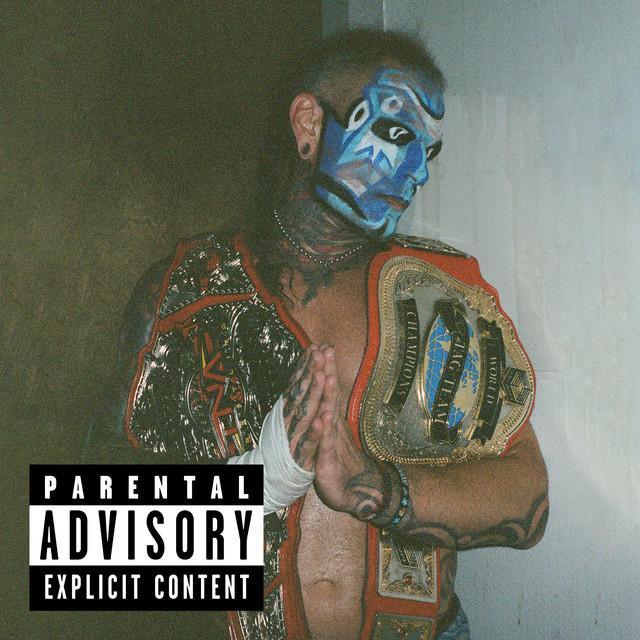
Runway Pieces At The Last Supper by Westside Gunn, DJ Drama
Where Fashion, Faith, and Violence Collide
The meaning of Runway Pieces At The Last Supper Westside Gunn, DJ Drama centers on contrast. The song puts high fashion next to hunger, art next to crime, and sacred images next to street damage. That clash is not random. It is the point.
"Runway Pieces At The Last Supper" - Westside Gunn, DJ Drama
It's like Leonardo Da Vinci
It equates to being ahead of your time
Loading lyrics...
Unable to load lyrics
We're unable to display the lyrics at this time. Please try again later.
Westside Gunn has built much of his style around treating rap like gallery work, often linking luxury brands, wrestling, street history, and fine art in the same frame. DJ Drama’s presence adds a mixtape edge, giving the record the feel of a hosted street statement rather than a polished confession. Together, they make the song sound like a memory reel where beauty and danger cannot be separated.
At its core, the track is about survival turning into identity. The speaker remembers poverty, drug dealing, betrayal, and retaliation, but they present those memories with the eye of a curator. The title alone brings that idea into focus: “runway pieces” suggests elite fashion, while “the last supper” points to sacrifice, betrayal, and a final gathering.
The Core Meaning in Plain English
The song is mainly about what it costs to rise from scarcity. The verses move through old brand wars, hustling, shootings, paranoia, and status symbols. The speaker does not separate trauma from taste. They wear both.
A key line is the repeated image of Tommy Hil' vs. Nautica
. On one level, it recalls an older era of street fashion competition. On another, it shows how brands became part of identity, pride, and neighborhood conflict. Clothing was never just clothing.
Then the song pivots from style to violence. The speaker remembers a time with little money and a much harsher life. When they describe bullets feeling like a game inside the body, the image is cold and vivid. It turns violence into something mechanical and senseless, not noble.
Interpretation: the song argues that luxury can look glamorous from the outside, but it was built on fear, memory, and constant threat. The runway image is therefore double-edged. It means success, but it also means performance.
Why the Title Matters So Much
The title is one of the smartest parts of the song. Runway pieces
suggests rare designer clothing, the kind of item that signals exclusivity. Last Supper
carries heavy religious meaning: fellowship, fate, betrayal, and death.
Put together, the title suggests a table where opulence and doom sit side by side. That fits the song perfectly. The speaker is surrounded by expensive objects, but the mood is never safe or peaceful.
Runway pieces at the last supperKept the work fresh
In those brief lines, the song compresses its whole worldview. The first phrase paints luxury in a sacred or fatal setting. The second brings the listener back to the practical reality of the drug trade. Beauty and business are happening at once.
How the Verses Build the Story
The song unfolds like a chain of memories instead of a neat plot. Still, there is a clear movement:
- It starts with artistic self-mythology, comparing visionary ambition to a master painter.
- It moves into fashion nostalgia and neighborhood competition.
- It shifts into drug trade realism, betrayal, and gun violence.
- It lands in a place where success exists, but danger still shapes the speaker’s thinking.
That structure matters. The opening frames the speaker as an artist trying to “paint the picture.” After that, every detail becomes part of a larger mural. Even the ugliest moments are presented with aesthetic care.
A phrase like fly as Laguardia
plays with status and motion. It sounds slick, but it also hints at escape, travel, and elevation. In the next breath, the song drops back into grim action. That rise-and-fall pattern mirrors the emotional logic of the track.
Artist Context Sharpens the Meaning
Westside Gunn is known for blending luxury references with raw street rap, especially through the Griselda movement, which helped revive a grimy, sample-heavy East Coast sound in the 2010s and 2020s. DJ Drama, famous for his long-running Gangsta Grillz series, often brings urgency and mixtape theater to collaborations. Those facts are well documented in artist profiles and label materials, including coverage from Complex, Pitchfork, and Gangsta Grillz history at NPR.
That context helps explain why the song sounds both elevated and rough. Westside Gunn often treats crime stories as visual art, while DJ Drama pushes them into a public, almost cinematic frame.
How the Production Carries the Message
Even without overexplaining every technical detail, the production supports the song’s meaning. The beat feels stark and heavy, leaving space for Gunn’s ad-libs, pauses, and sharp images. The repeated vocal textures and booming effects make the track feel haunted, almost like memories echoing in a large room.
That matters because the song is not just listing events. It is staging them. The empty space in the beat gives the luxury references a ghostly shine, while the drums and vocal punctuations keep dragging the listener back to danger.
Interpretation: the production turns the song into a gallery of scars. Each line hangs there for a second, as if the listener is meant to study it.
The Big Themes Beneath the Details
Several themes drive the song:
- Survival: early poverty shapes every later choice.
- Performance: fashion and style become armor.
- Betrayal: trust is weak, and danger comes from close by.
- Art as testimony: the speaker presents hard experience like a painted scene.
- Success without peace: money and rare items do not erase old conditions.
One of the sharpest moments is few more homicides
, followed by ambition about control. It shows how business logic and violence blur together in the speaker’s world. That is not framed as healthy. It is framed as the brutal math of the environment.
Final Take on the Song’s Meaning
The meaning of Runway Pieces At The Last Supper Westside Gunn, DJ Drama is not just that street life and luxury coexist. It is that they can become tangled so tightly that one starts to speak through the other. Fashion becomes memory. Religion becomes threat. Art becomes evidence.
That is why the song lingers. It does not ask the listener to admire the life it describes without question. It asks them to see how style can mask trauma while also revealing it.
Disclaimer: This interpretation is based on the lyrics, the artists’ established styles, and public context. As with most art, other readings are possible.








