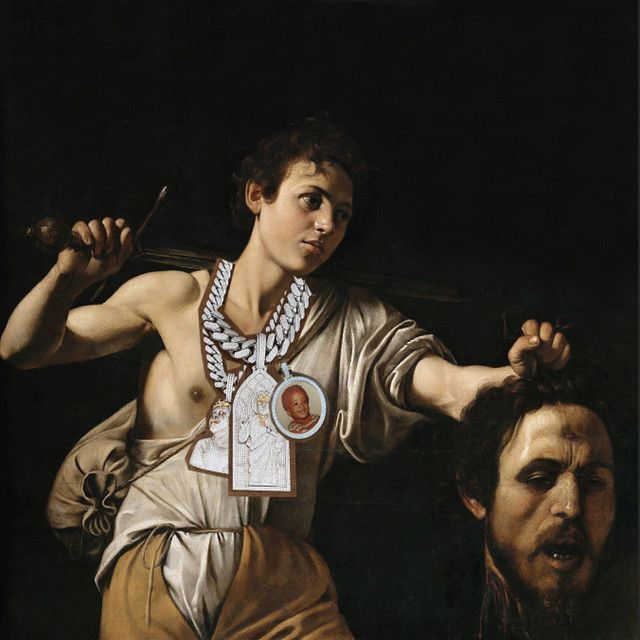
How "$500 Ounces" Turns Luxury Into Survival
The meaning of $500 Ounces Westside Gunn, Freddie Gibbs, Roc Marciano starts with a contradiction: this is a song full of wealth, but it never sounds safe. Jewelry, designer brands, and expensive cars appear everywhere, yet each image sits next to fear, memory, or violence. That tension is what gives the track its power.
"0 Ounces" - Westside Gunn, Freddie Gibbs, Roc Marciano
Uh, mic check, check
Yeah, mic check, check
Loading lyrics...
Unable to load lyrics
We're unable to display the lyrics at this time. Please try again later.
On Westside Gunn’s Pray for Paris, “$500 Ounces” pairs Gunn with Freddie Gibbs and Roc Marciano, with Marciano also handling production. Factually, the song is part of Gunn’s 2020 album rollout, a key release in Griselda’s rise into the mainstream conversation. The credited writers include Alvin Lamar Worthy, Fredrick Jamel Tipton, and Rakeem Calief Myer.
The Song’s Core Idea Hides in Plain Sight
At its center, the song is about what happens when street history becomes personal identity. The rappers do not describe success as peace. They describe it as a new layer placed over old scars.
Freddie Gibbs opens with memories of cooking drugs in a basement, then jumps to current-day luxury and family drama. That movement matters. They present the past and present as inseparable, as if riches cannot erase what came before. When he mentions skeletons in my closet
, the line is not just about secrets. It suggests that trauma lives beside success, almost like both are stored in the same house.
Interpretation: the song argues that money changes surroundings, not memory. The title points to value and weight, but emotionally it points to the burden of what was done to survive.
Watch the official $500 Ounces
music video
Freddie Gibbs Brings the Song’s Human Cost
Gibbs gives the track its clearest emotional layer. He moves from criminal detail to family conflict to mortality in only a few bars. A line about a former partner stirring up problems online sounds modern and almost petty, but it sits next to darker reflections on death and judgment.
The Kobe Bryant reference is especially important. By saying he might cry watching the Lakers, he briefly drops the hard exterior. That moment reframes the verse. Beneath the threats and boasts, there is grief.
He also asks how someone could face a mother after killing her son. That line broadens the song beyond individual hustle. Suddenly, the street world is not stylish at all. It is intimate, ugly, and permanent.
Roc Marciano’s Verse Makes Power Feel Cold
Roc Marciano’s verse is less emotional on the surface, but it sharpens the song’s worldview. His writing is full of precision: weapons, luxury materials, body imagery, and sharp internal rhymes. The details feel almost curated.
When he says ain't no Ls on my jacket
, he frames himself as someone untouched by loss in public terms. But the rest of the verse complicates that. This is not joy. It is dominance. His world is one where style itself becomes armor.
That is why his luxury imagery works. Seats, coats, links, and cars are not just status symbols. They are proof of control. In Marciano’s hands, elegance becomes menace.
A Short Hook With a Big Message
Westside Gunn’s repeated phrase about having to go acts like a minimalist chorus. It sounds almost casual, but it carries a harsh rule: nothing lasts, and no one gets to stay comfortable forever.
You ain't gotta go home
but you gotta go
Paraphrased, the song keeps pushing people out of safety. In this world, movement is survival. There is no settled ending, only the next exit.
Westside Gunn’s Ending Ties Street Code to Legacy
Westside Gunn’s final verse is compact, but it matters because it sounds like a veteran’s summary. He looks back on shared labor, watches for betrayal, and keeps the focus on continuity. If one person falls, another takes the shift.
When he says You hang with a rat
, the idea is bigger than one insult. Loyalty is treated as contagious, just like disloyalty. Trust is never casual here.
He also mentions wanting to see his kids grow up. That line quietly changes the stakes again. The song is not just about reputation; it is about outliving the life that built that reputation.
Why the Beat Matters So Much
Roc Marciano’s production is a huge part of the meaning. The instrumental is slow, spacious, and soulful, with a ghostly loop that feels expensive but uneasy. There is very little rush in it.
That choice matters because the rappers do not sound like they are scrambling. They sound seasoned. The beat lets every image hang in the air, which makes the luxury feel heavier and the threats feel calmer. Instead of chaos, the song gives controlled danger.
Interpretation: the production turns the track into a gallery of survival trophies. Each verse feels framed, almost museum-like, which fits Pray for Paris and its interest in high art beside street realism.
What the Song Finally Says
The meaning of $500 Ounces Westside Gunn, Freddie Gibbs, Roc Marciano is not simply that crime leads to riches. It is that survival can harden into identity, and success can still carry the smell of the struggle that created it.
That is why the song lingers. It sounds glamorous, but it never feels clean. The verses keep showing that behind the shine are grief, paranoia, memory, and rules that never fully disappear.
This article offers an interpretation based on the lyrics, performance, and known release context. As with any song, listeners may hear different meanings.









