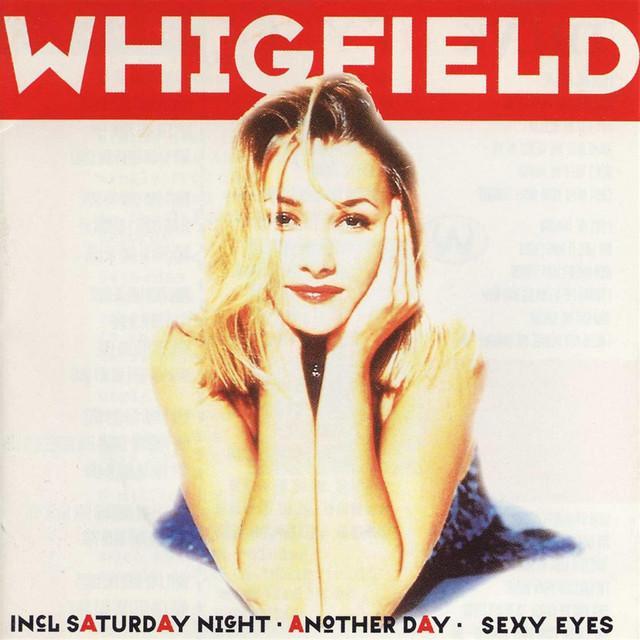
Why Whigfield's 'Close to You' Feels So Tender
The meaning of Close To You Whigfield starts with a simple feeling: being near one person makes life feel fuller. On the surface, the song is a soft 1990s pop love ballad. But under that sweetness, it is really about emotional grounding. The narrator sees a world where people drift and waste time, then contrasts that with the clarity they feel in love.
"Close To You" - Whigfield
they misuse their time
Maybe it's better to mention
Loading lyrics...
Unable to load lyrics
We're unable to display the lyrics at this time. Please try again later.
Released in 1995 as the fourth single from Whigfield, the song marked a shift for the project. It was billed as Whigfield's first ballad and reached the top 20 in the UK, Denmark, Ireland, and Spain, according to available chart summaries and release data in the research source provided. That context matters: this was not just another dance-floor track. It was Whigfield trying a more intimate mood.
A Love Song Built on Contrast
The verses begin by looking outward. The song notices that other people barely pay attention and seem to misuse their time. That opening creates a small but important tension. Before the romance takes center stage, the lyrics frame the world as distracted and emotionally thin.
Then the song turns inward. The narrator reveals a private happiness, calling it a secret to tell
. In plain terms, they have found something others have not: a relationship that feels meaningful. That contrast between public emptiness and private joy drives the whole song.
Interpretation: this is why the song feels more personal than dramatic. It is not about a breakup, betrayal, or grand conflict. It is about discovering that one close bond can make daily life feel less empty.

Watch the official Close To You
music video
Who Is Speaking and What Do They Want?
The voice is first person in the lyrics, but the song's emotional frame is easy to describe in third person: they are speaking directly to a loved one, asking for closeness, reassurance, and renewed affection. The central desire appears in the title phrase, close to you
.
That request is not only physical. It is emotional and almost spiritual. When the singer says the other person is lifting me high
and later making me fly
, the idea is clear: love changes their mental state. It gives them confidence, relief, and a sense of upward motion.
There is also vulnerability here. The line love me again
suggests the bond may need renewal. Whether that means the couple has struggled or the narrator simply needs reassurance is left open. Either way, the song is not only celebrating love; it is asking for it.
How the Chorus Carries the Meaning
The chorus works because it is direct. Instead of adding new plot points, it keeps circling the same emotional truth: they want nearness because this person brings strength and feeling. A key phrase is the strength of your hand
, which turns touch into a symbol of support.
That image is small but effective. A hand can mean comfort, guidance, or protection. The song never gets complex with its imagery, but it does not need to. Its power comes from repetition and sincerity.
I just wanna be close to you
'cos I understand
the strength of your hand
In these lines, the song reduces love to a basic human need: to feel held, understood, and steadied.
The Sound: Soft Focus Pop with a Gentle Pulse
Production is a big part of why the message lands. According to the supplied research, the track was written by Annerley Gordon, Alfredo Pignagnoli, and Davide Riva, and produced by Larry Pignagnoli and Davide Riva. It was described by Billboard critic Larry Flick as driven by a "chugging" beat and a wall of shiny keyboards, while other British reviews heard it as a sweet, romantic slowie.
That mix of softness and pulse is important. Even though this is a ballad, it does not fully leave behind Whigfield's dance-pop identity. The beat keeps moving, but the keyboards soften the edges. The result is music that feels suspended between club pop and quiet confession.
Interpretation: that in-between sound mirrors the lyric's emotional state. The narrator is calm enough to speak honestly, but energized by love. They are not heartbroken; they are glowing.
Visuals and Mood Add Another Layer
The promotional video, as noted in the research summary, pays homage to Edward Hopper-style scenes of people sitting alone near windows before gathering together. That visual idea deepens the song's theme. Solitude comes first, then connection.
This fits the lyric perfectly. The song begins by noticing distance between people, then offers intimacy as the answer. Even if listeners never see the video, they can feel that arc in the writing: isolation gives way to togetherness.
Why the Song Still Works
Part of the meaning of Close To You Whigfield is its simplicity. The lyrics do not try to sound poetic in a complicated way. They use familiar ideas—hands, affection, being lifted up—but arrange them with real warmth.
That simplicity may also explain the mixed critical response at the time. Some critics found it sugary, while others appreciated its romantic sweep. Both reactions make sense. The song is undeniably sweet. But sweetness is the point. It presents love as a source of steadiness in a distracted world.
Final Take on the Song's Heart
At its core, "Close to You" is about how one relationship can make life feel more worthwhile. The narrator is not chasing excitement for its own sake. They are looking for closeness, support, and proof that affection can still matter.
That is why the song feels tender rather than flashy. Beneath the polished 1990s pop surface, it says something very human: when the world seems careless, being loved by one person can feel like a rescue.
Disclaimer: This interpretation is based on the released lyrics, recording context, and documented reception. As with any pop song, listeners may hear meanings that differ from the ones discussed here.








