How Whitney Houston Makes Heartbreak Hit
The meaning of All at Once Whitney Houston comes down to a simple but painful idea: sometimes a breakup is not fully real until one moment makes it impossible to deny. The song is not about a dramatic fight. It is about delayed shock, when memory, jealousy, and loneliness suddenly lock together.
"All at Once" - Whitney Houston
I finally took a moment
And I'm realizing that
Loading lyrics...
Unable to load lyrics
We're unable to display the lyrics at this time. Please try again later.
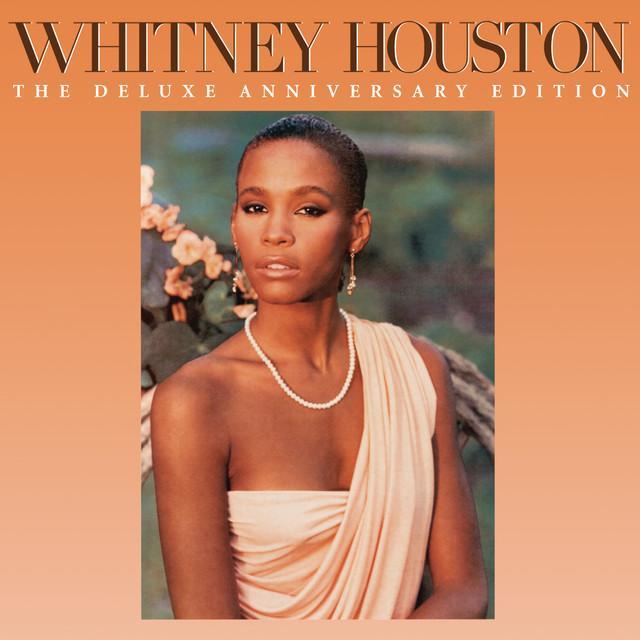
Released on Whitney Houston’s 1985 self-titled debut album, the ballad was written by Michael Masser and Jeffrey Osborne and produced by Masser. It was issued as a single in several overseas markets, where it became one of Houston’s earliest international breakthroughs, including top-five chart peaks in the Netherlands, Belgium, and Italy according to documented chart histories and release data in major reference listings.
The Real Heart of the Song
At its core, this is a song about emotional impact arriving late. The narrator seems to have known the relationship was in trouble, but the true loss does not sink in until suddenly. That is why the repeated phrase all at once
matters so much. It is not just a title hook; it is the whole emotional structure.
The opening lines describe realization rather than argument. The person they love is not coming back, and that truth finally lands. Soon after, the song turns from numbness to grief, using images of tears, broken dreams, and drifting. The effect is that heartbreak feels both private and overwhelming.
Interpretation: The song suggests that denial can protect a person for a while. Then one trigger breaks that protection, and all the pain rushes in together.

Watch the official All at Once
music video
A Story of Loss in Three Steps
The lyrics follow a clear timeline, which is one reason the song feels so relatable.
- Recognition: The narrator finally understands the relationship is over.
- Confirmation: They see the former partner with someone else.
- Aftermath: They are left clinging to memory instead of hope.
That middle step is especially brutal. The song does not just say the lover left. It shows the smile that once belonged to the narrator now brightening someone else’s life. In plain terms, the wound becomes sharper because love has not only ended; it has moved on.
A short phrase like with another love
carries a lot of weight. It turns abstract heartbreak into a concrete image. Likewise, holding on to memories
shows that the narrator has nothing tangible left except the past.
Why the Chorus Hurts So Much
The chorus is the song’s emotional center because it shifts from observation to immersion. The key image, drifting on a lonely sea
, gives heartbreak a physical shape. Instead of standing firm, the narrator is floating, unstable, and alone.
That sea image also tells listeners something important: this pain is not neatly controlled. The narrator is being carried by emotion. They still wish the person would return, even though reality says otherwise.
Interpretation: The chorus is not just sadness. It is emotional suspension. The narrator cannot move forward, but they cannot return to what they had either.
The Sound Behind the Sadness
Part of the meaning of All at Once Whitney Houston comes from how it sounds. The track opens with a soft synthesizer texture, then builds with gentle strings, bass, and drums. The tempo is slow, around 66 BPM in published song references, which gives the feeling of time stretching under grief.
The arrangement does not crowd Houston’s voice. Instead, it leaves space for them to move from restraint to release. As the song grows, key changes lift the melody higher, making the emotion feel less contained. By the end, their sustained vocal note turns private pain into a full dramatic statement.
This is one reason the song became so important in Houston’s early catalog. Even on a debut album filled with ballads, it showed how effectively they could sell quiet devastation without oversinging. Critics and retrospective rankings have often treated it as one of the signature early Whitney performances.
Artist Context Makes the Song Richer
The song also matters in Whitney Houston’s career story. Michael Masser had already recognized Houston’s voice as ideal for big emotional ballads, and All at Once
became part of the material that helped shape their debut era. Reference histories note that the song had first been intended for Jeffrey Osborne before being passed to Houston, a decision that turned out to be pivotal.
It also performed especially well outside the United States at first. Though not a North American single, it received radio airplay there and found strong audiences overseas. Houston later performed it often in concert and on television, including major appearances in Europe and at Sanremo, where the song drew an especially strong audience response.
That performance history matters because it shows how the song lived beyond the album. Listeners connected to its plainspoken heartbreak and to the elegance Houston brought to it.
One Song, Two Possible Readings
There is a straightforward reading and a slightly deeper one.
The straightforward reading is simple: this is a breakup ballad about seeing an ex move on.
Interpretation: A deeper reading is that the song is about the moment illusion collapses. Phrases like dreams were shattered
suggest the narrator is mourning not only a person, but also a future they had imagined. In that sense, the loss is romantic and psychological at the same time.
Why It Still Connects
The reason this song lasts is that it captures a very common human experience with unusual precision. Many people do not grieve in a straight line. They function, they cope, and then one image or fact makes the truth unbearable.
That is the lasting meaning of All at Once Whitney Houston: heartbreak can feel delayed, but when it arrives, it can arrive completely.
Disclaimer: This interpretation blends documented song facts with informed critical reading, so some meaning remains open to listener perspective.







