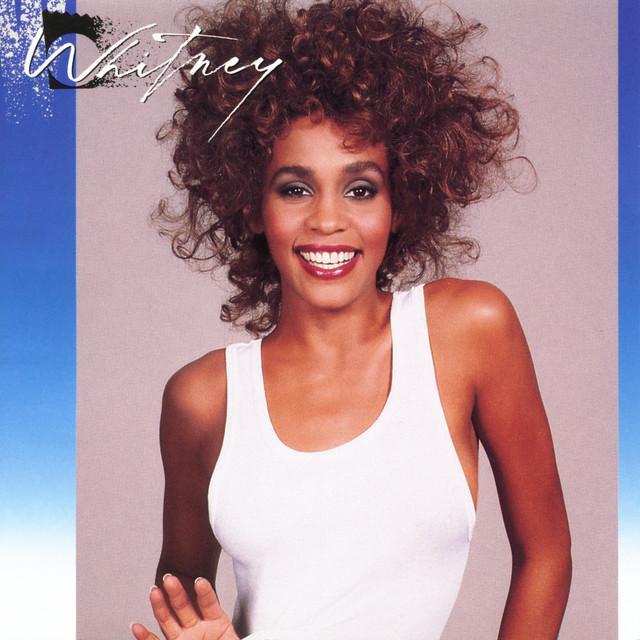
Why 'I Wanna Dance' Sounds Happy but Feels Lonely
Whitney Houston’s blockbuster hit is pure celebration on the surface, yet it hides a quiet ache. For anyone searching for the meaning of I Wanna Dance with Somebody (Who Loves Me) Whitney Houston, the song pairs a radiant dance-pop sound with the very human need to be seen and loved.
"I Wanna Dance with Somebody (Who Loves Me)" - Whitney Houston
And the sun begins to fade
Still enough time to figure out
Loading lyrics...
Unable to load lyrics
We're unable to display the lyrics at this time. Please try again later.
Loneliness at Dusk, Joy at Midnight
Songwriter Shannon Rubicam has described the inspiration as that uneasy twilight hour—restless and not ready for the day to end. The first verse captures that mood with time and light imagery: when the clock strikes upon the hour
, the day fades and loneliness sharpens.
Interpretation: the narrator is fine in daylight routines, but the night magnifies what’s missing. They don’t just want a dance; they want company against the evening’s emptiness.
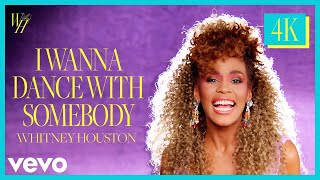
Watch the official I Wanna Dance with Somebody (Who Loves Me)
music video
Who’s Telling the Story—and What They Need
The voice is first person, open and direct. Their wish isn’t casual. The hook insists on somebody who loves me
, showing the difference between bodies moving and hearts connecting. That single qualifier—love—turns a club request into a life request.
Interpretation: the song is about seeking a partner who shows up, not just someone to pass time with. The dance floor is a doorway to intimacy, not the destination.
Verse Tension, Chorus Release
Across the verses, the character admits they’ve chased thrills and felt let down: the high fades, the doubt returns. Then comes the pivotal couplet:
And when the night falls My lonely heart calls
Musically and emotionally, this is the springboard. The verses carry tension; the chorus explodes into relief, where wanting to dance becomes a stand-in for wanting real connection.
The Sound: From 808 Claps to Key-Change Euphoria
Producer Narada Michael Walden reshaped the original demo into sleek, buoyant dance-pop with island flair. The track moves at about 119 BPM, snaps with Roland TR-808-style handclaps, and rides a synth-bass line performed by Randy Jackson. Those bright synth horns and percussive accents create a lift that primes the chorus to soar.
Walden’s arrangement also uses a classic late-’80s device: the end-of-song key change. When it hits, Houston’s ad-libs—playful lines like now get with this
—turn hopeful desire into communal celebration. This contrast between bittersweet lyric content and ecstatic production makes the song feel both personal and gigantic.
Symbols and Motifs That Stick
Heat stands in for emotional spark—feel the heat
—and the word “fever” frames infatuation as a rush that burns out: the fever ends
. Time is everywhere too: clocks, day fading, night falling. These images underline the fear that another evening might pass without the connection they crave.
Interpretation: the dance floor becomes a ritual space. If they find the right person there, maybe the heat won’t fade; maybe it will last beyond the night.
Icons, Charts, and Why It Endures
Released in 1987 as the lead single from Whitney, the song topped the Billboard Hot 100 and later won the Grammy for Best Female Pop Vocal Performance. Critics initially split on it, but it has since been reappraised as a definitive pop record and one of Houston’s signature songs. The title even helped name the biopic about her life decades later.
Songwriters Rubicam and George Merrill have spoken about writing for the universal feeling of single people who want more than a casual night out. Walden’s production fused accessibility and funk, helping the track cross formats. That marriage of craft and feeling is why it still fills weddings, clubs, and karaoke bars.
Other Ways to Hear It
Interpretation: some hear it as dating anxiety in an upbeat mask—a portrait of someone who’s been burned but refuses to give up. Others take the writers’ own framing: it’s not just a club anthem; it’s a metaphor for the “dance of life,” a desire for partnership that moves with you through seasons.
There’s also a communal reading. The refrain Don'tcha wanna dance?
feels like a wide-open invitation. Many listeners experience the song as a safe-floor anthem—where outsiders, romantics, and hopefuls meet under bright lights and become a temporary family.
Takeaway You Can Feel
In the end, the meaning is simple and strong: a joyful beat carrying a sincere plea for love. Houston sells both—the glitter and the ache—so the record feels like confidence and vulnerability at once.
Disclaimer: Song meanings are interpretive and may differ by listener; factual details about credits, release, and chart performance are drawn from reputable sources.
Sources
- https://americansongwriter.com/then-inspiration-and-meaning-behind-i-wanna-dance-with-somebody-who-loves-me-by-whitney-houston
- https://en.wikipedia.org/wiki/I_Wanna_Dance_with_Somebody_(Who_Loves_Me)
- https://stereogum.com/2117476/the-number-ones-whitney-houstons-i-wanna-dance-with-somebody-who-loves-me/columns/the-number-ones








