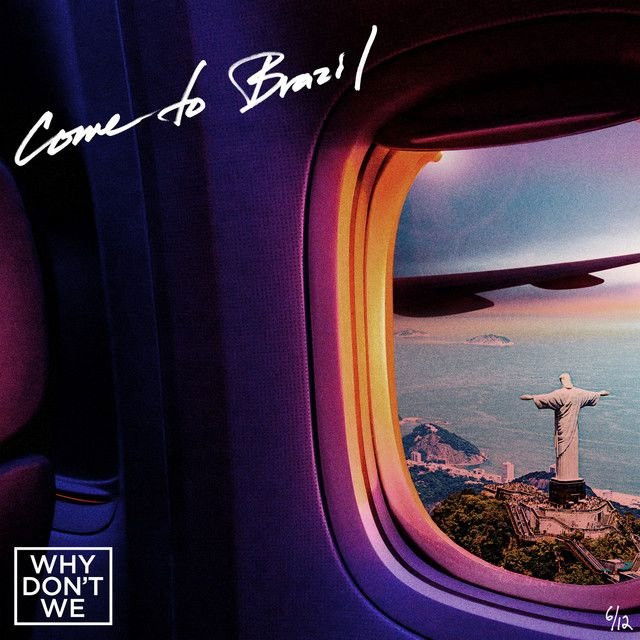
Why ‘Come to Brazil’ Turns a Meme Into Flirtation
The meaning of Come to Brazil Why Don't We starts with a joke that became a real piece of fan culture. The phrase “come to Brazil” was already a familiar social media meme before the band used it as a song title. Brazilian fans had posted it under celebrities’ accounts for years as a passionate, funny way to ask artists to visit. Why Don’t We took that online phrase and turned it into a pop story about instant attraction, impulse, and fantasy.
"Come to Brazil" - Why Don't We
She was movin' to the bassline
Big bubble, little waistline
Loading lyrics...
Unable to load lyrics
We're unable to display the lyrics at this time. Please try again later.
Rather than building a deep heartbreak song, they made something lighter. The track imagines meeting someone at a party, feeling an immediate spark, and being willing to do something wild just to keep the moment going. In that sense, the song is about lust, thrill, and spontaneity more than lasting romance.
The Real Story Behind the Hook
A key fact helps explain the song’s whole idea. In a Billboard lyrics breakdown, Jonah Marais said their social media had long been flooded with fans saying “Come to Brazil,” and that the phrase clicked when they needed a place for the girl in the song to be from. The same Billboard piece also notes that the 2019 single was part of the group’s monthly release plan and marked the members’ first official co-write with producers JKash and The Futuristics.
That background matters. The title is not random geography. It is a wink to fandom.
So when the chorus lands on come to Brazil
, it works in two ways:
- inside the story, it means following a girl across the world;
- outside the story, it nods to Brazilian fans who helped make the phrase famous.
That double meaning is a big part of the song’s charm. It is playful fan service, but it also fits the romantic exaggeration of pop lyrics.

Watch the official Come to Brazil
music video
A Night That Suddenly Feels Bigger
In the verses, the plot is simple. A dull party changes when one person enters the room. The narrator notices her movement, confidence, and energy, and the whole night takes on new life. When the song says the party was boring before something without warning
changed the mood, it sets up the emotional switch: boredom becomes fascination.
From there, the lyrics move fast. A late-night conversation turns into a fantasy of travel, airport runs, and a one-way ticket. The speed is the point. This is not careful love built over time. It is a rush.
Interpretation: the song treats attraction like a chain reaction. One look leads to one conversation, then to an oversized promise. That exaggeration gives the track its fun, almost cinematic feeling.
What the Lyrics Say About Desire
The central emotional idea is not “I know this person deeply.” It is closer to “I feel something strong enough to act on right now.” That difference matters.
Early lines describe surface details and physical presence. Then the song adds a challenge when she says you don't even know me
. That line briefly interrupts the fantasy. It reminds the listener that the connection may be intense, but it is still new.
The response is not reflection. It is action. He wants to prove his interest by doing something dramatic, even absurd. Later phrases like stamp on my passport
and one-way ticket
turn emotion into movement. In pop writing, travel often symbolizes commitment. Here it symbolizes impulse just as much as devotion.
She said, "You don't even know me"
If it's real love, better show me
Those two lines are the song’s hinge. They ask whether big gestures mean anything. The rest of the track answers with a grin: maybe not, but they sure feel exciting.
Sound First, Meaning Second
Production does a lot of meaning-making here. According to Billboard, Daniel Seavey said the beat already had a carefree summer sound when the group walked into the session, and that they shaped the lyrics and melody to fit something people could play in the car and enjoy.
That explains why the song feels breezy even when its premise is extreme. The rhythm has a Latin-pop tint, the melodies are smooth and bright, and the vocals stay relaxed instead of heavy. Nothing in the arrangement tells listeners to take the fantasy literally. The sound says: enjoy the rush, don’t overthink it.
This balance is smart. If the production were darker, the idea of chasing someone across the globe might feel obsessive. But with this upbeat polish, it reads as flirtation and summer escapism.
More Than a Love Song: A Fan Tribute
Another layer in the meaning of Come to Brazil Why Don't We is that it acts as a thank-you note. In the same Billboard feature, Corbyn Besson described the song as a tribute to fans they had not met yet. That makes the chorus more than a pickup line.
It becomes a bridge between artist and audience. The group uses a phrase fans constantly sent them and folds it into a romantic story that crowds can sing back. Daniel Seavey even said he dreamed of hearing audiences shout the title live. So the hook was built not only for radio but for collective release.
That gives the song a communal side. It is about one person in the story, but many people in the real world.
A Meme, a Fantasy, and a Little Self-Awareness
There is also some humor in the writing. The song knows that buying a last-minute flight because someone liked your vibe is a lot. Why Don’t We do not present that as normal adult decision-making. They present it as a fantasy of being so carried away that logic disappears.
Interpretation: that self-awareness is why the song works. It is not claiming true love after one night. It is celebrating the thrill of acting like anything is possible for a few hours.
Seen that way, Brazil is both a real place and a symbol. It stands for distance, adventure, and the biggest possible romantic gesture. The title turns a fan meme into a metaphor for going too far on purpose.
Why the Song Still Connects
The track lasts because it captures a common feeling in a bold, simple way: meeting someone who makes the room feel different. The details are exaggerated, but the emotion is familiar. People understand the urge to stretch one good night into a bigger story.
In the end, “Come to Brazil” is less about travel than momentum. It is about the second when attraction feels strong enough to redraw the map. And because the title comes from real fan culture, the song also preserves a specific internet-era moment when audience language fed directly into pop songwriting.
Disclaimer: This interpretation separates reported artist comments from critical reading. Songs can hold different meanings for different listeners.









