Wilco’s ‘Levee’: Self-Rescue, Meds, and a Fake Floodwall
They call it a levee, but it might not hold. Wilco’s “Levee” turns a floodwall into a mirror, asking whether safety comes from outside or from within. If you’re searching the meaning of Levee Wilco, this track points to the tension between self-care, medication, and reliance on someone else.
"Levee" - Wilco
But the levee is fake
Why worry 'bout the rain and the wind
Loading lyrics...
Unable to load lyrics
We're unable to display the lyrics at this time. Please try again later.
When a Barrier Isn’t a Barrier
The narrator loves a lakeside levee, then admits the levee is fake
. That image reframes protection as a comforting illusion. The storm isn’t only wind and rain; it comes from within
, which shifts the threat from weather to mental weather.
Interpretation: the levee stands for coping strategies that look solid—denial, distraction, bravado—but buckle under real pressure. The song asks what happens when appearances fail and the real work has to happen internally.
A Chorus of Rescue and Risk
The hook pleads, save me, save me again
, while other lines flip to “I’ll save you.” That pendulum between being rescued and becoming the rescuer hints at codependency: comfort, then obligation; relief, then depletion.
Interpretation: rescue feels good in the moment, but the repeated “again” suggests a loop. The seesaw—“make me lose you,” “make me use you”—frames how help can slide into control, and intimacy can turn into a bargain. It’s love and need tangled together.
Medication and the Question of Trust
When the singer admits they love to take my meds
—as the doctor advised—then worries if they shouldn’t, the song opens a thorny door. It’s not anti-medicine; it’s about doubt and stigma. Many listeners will recognize that uneasy calculus: trusting care while fearing side effects, identity shifts, or dependence.
Interpretation: the meds line echoes the chorus’s cycle. Treatment can be a lifeline, but even lifelines raise questions about agency. The song lingers in the gray area, refusing easy answers, which is part of its honesty.
Who’s Talking, and to Whom?
The voice is intimate and first-person, addressing a shifting “you.” It might be a partner, a caretaker, medication itself, or even a higher power. When the narrator says I can see you thinking
and later confesses, I should not
love without thinking, the song captures an over-aware mind—reading signals, crossing boundaries, then second-guessing it all.
Interpretation: “Levee” maps a relationship where empathy blurs into projection. The self tries to stabilize by monitoring the other’s thoughts, but the tactic backfires. It’s another “fake levee”—a control strategy that increases anxiety.
How the Sound Holds the Waterline
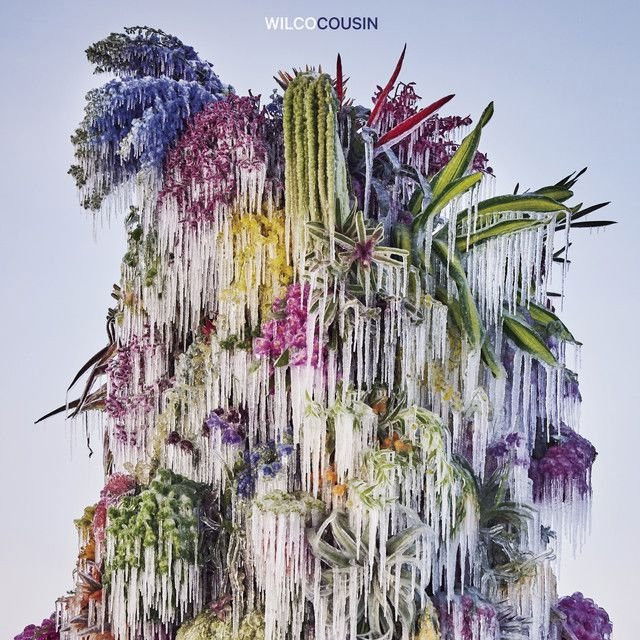
“Levee” appears on Wilco’s 2023 album Cousin, produced by Cate Le Bon. The album favors restraint: midtempo grooves, minor-key shadings, hushed vocals, and textural details shaped at Wilco’s Loft. Critics noted that “Levee” sits in Cousin’s muted middle—steady, autumnal, and unsettled.
That design suits the lyric. A chugging pulse implies continuity—the cycle of “again”—while Tweedy’s subdued delivery feels like someone trying not to tip the boat. Subtle layers, a known Le Bon hallmark on Cousin, add small eddies around the vocal, suggesting inner churn beneath a placid surface.
Symbols That Do the Heavy Lifting
- Levee: the boundary between safety and flood; here, a fragile or imagined defense.
- Rain/Wind: surface-level triggers that seduce us into blaming the weather for what pain actually
comes from within
. - Save/Use/Lose: a moral triad. Rescue can mutate into utility (“use”) and then become loss (“lose”). The song circles all three.
- Meds: not condemned, but complicated—representing modern tools that still require self-trust and ongoing choice.
Alternate Readings That Also Fit
- Interpretation: Climate anxiety. The levee’s failure evokes rising waters and a world where public infrastructure can’t keep up. Some critics have heard this undertow in the song’s imagery. If so, the personal and planetary collapse speak to each other.
- Interpretation: Spiritual recovery. “Save me” reaches beyond romance toward surrender. The “fake” levee could be ego defenses that block grace, with the chorus depicting relapse and renewal.
Both views coexist with the mental-health framing; Wilco often writes so images hold multiple truths at once.
Why This Track Matters on Cousin
Cousin marked a fresh outside collaboration for Wilco, with Le Bon guiding song choices and textures. That context explains “Levee”’s control: the band lets arrangement serve feeling, not the other way around. Where earlier eras chased chaos, this one finds tension in quiet, which makes the pleading refrain hit harder.
Takeaway: The Water Finds the Cracks
If you want the meaning of Levee Wilco, it’s this: the real floods rise inside, and the walls we build are only as strong as our willingness to face ourselves. The song doesn’t choose between self-reliance and help; it admits we need both, while warning how either can tip into harm. That’s why its small phrases echo—because we’ve all said them, again.
Disclaimer: Song meanings are interpretive and subjective; your read may differ based on personal context.









