Why Wiley’s Stormzy Diss Hits So Hard
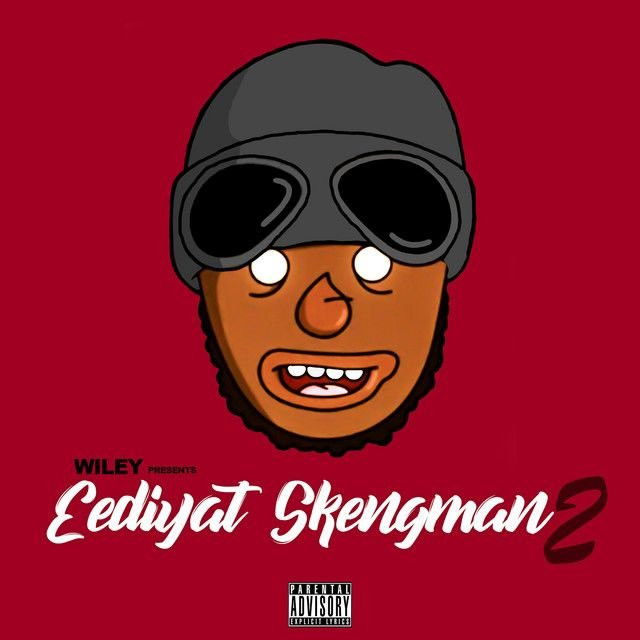
The meaning of Eediyat Skengman 2 (Stormzy Send) Wiley starts with conflict, but it does not end there. On the surface, this is a blunt diss track aimed at Stormzy. Underneath that, it is also Wiley arguing for ownership, respect, and seniority inside grime.
"Eediyat Skengman 2 (Stormzy Send)" - Wiley
When man was with the marjay and that
Like, d'you get me? Like (Yeah, yeah, yeah, yeah)
Loading lyrics...
Unable to load lyrics
We're unable to display the lyrics at this time. Please try again later.
They use the song to do two things at once: attack a rival and remind listeners that they see themselves as one of grime’s key architects. That double purpose is what gives the track its force. It is not just about winning an argument. It is about controlling the story of the genre.
A Clash Record With a Bigger Point
Factually, Wiley is one of grime’s foundational figures, often called the “Godfather of Grime” in coverage from outlets like BBC and The Guardian. Stormzy, by contrast, became one of the genre’s biggest crossover stars in the 2010s. That history matters because the song frames their feud as a fight between an originator and a later giant.
The track’s core message is simple: Wiley believes Stormzy benefited from a scene built by others and has not shown enough respect for that history. When they brag that they are the coldest don
, the point is not just skill. It is authority.
Interpretation: Wiley is presenting themselves as a gatekeeper figure. In their telling, the clash is about who gets to define grime’s rules.

Watch the official Eediyat Skengman 2 (Stormzy Send)
music video
The Real Target: Status, Not Just a Person
A lot of the song is openly personal, but the deeper target is status. Wiley keeps returning to ideas of debt, inheritance, and who opened doors for whom. Even when they insult Stormzy directly, they often pivot back to a larger claim: newer stars stand on older foundations.
That is why lines about being a career resurrector
or laying the foundation matter so much. They are self-mythologizing. Wiley is not only saying, “I can beat you in a clash.” They are saying, “Without people like me, your platform would look very different.”
This is also where the phrase This is grime, this ain't rap
becomes important. It draws a boundary. Wiley uses genre language to police authenticity and to suggest that commercial success can blur the roots of the music.
How the Song Builds Its Argument
Rather than tell one neat story, the track moves in waves. It jumps between insults, warnings, scene politics, and legacy claims. That structure fits grime’s clash tradition, where speed, nerve, and pressure matter as much as logic.
Three major ideas keep returning:
- Personal disrespect — Wiley treats the feud as a direct insult that must be answered.
- Cultural ownership — They argue that they helped build the space others now profit from.
- Authenticity tests — They challenge whether Stormzy fully represents grime’s original energy.
When Wiley says You owe the dons
, they compress all three ideas into one moment. The phrase suggests unpaid respect, unpaid cultural debt, and a hierarchy that Wiley thinks still matters.
Sound, Delivery, and Why the Record Feels So Tense
Even without long lyric analysis, the performance tells a lot of the story. Wiley’s delivery is sharp, crowded, and confrontational. The beat leaves room for that attack style, which is a classic grime move: sparse but tense production, built for bars to hit hard.
Grime traditionally favors icy synths, clipped drums, and a sense of open space that makes each threat or boast feel more exposed. Coverage of grime’s sonic roots by sources like Red Bull Music Academy and Complex UK often points to that cold, pressurized feel. This track uses that climate well.
Interpretation: The production supports Wiley’s message by making them sound like they are stepping into a ring rather than a studio. There is little softness here. The sound keeps everything urgent.
The Most Important Theme Is Legacy
For many listeners, the most revealing part of the song is not the name-calling. It is the obsession with legacy. Wiley sounds like someone protecting a title they believe they earned long ago.
That is why the reference to Achilles, you're Hector
stands out. It turns the feud into myth. Wiley casts the clash as an old-school heroic battle, with themselves in the dominant role. It is exaggerated, of course, but that exaggeration is the point. They want the moment to feel historic.
There is also insecurity underneath the confidence. Artists do not usually insist this hard on their place unless they feel that place is being challenged. So while the track sounds fearless, it also reveals anxiety about replacement, relevance, and how quickly scenes move on.
What the Song Means in the End
So, what is the meaning of Eediyat Skengman 2 (Stormzy Send) Wiley? It is a diss track, but more than that, it is Wiley making a case for seniority in grime. They use aggression to defend authorship, authenticity, and influence.
The song argues that fame does not automatically equal cultural authority. In Wiley’s view, the people who built the house still deserve the loudest voice inside it. Whether listeners agree or not, that tension is what gives the record its lasting interest.
Interpretation disclaimer: This article separates factual context from interpretation. Meanings can vary by listener, and diss tracks often mix performance, exaggeration, and real feeling in ways that resist one final reading.









