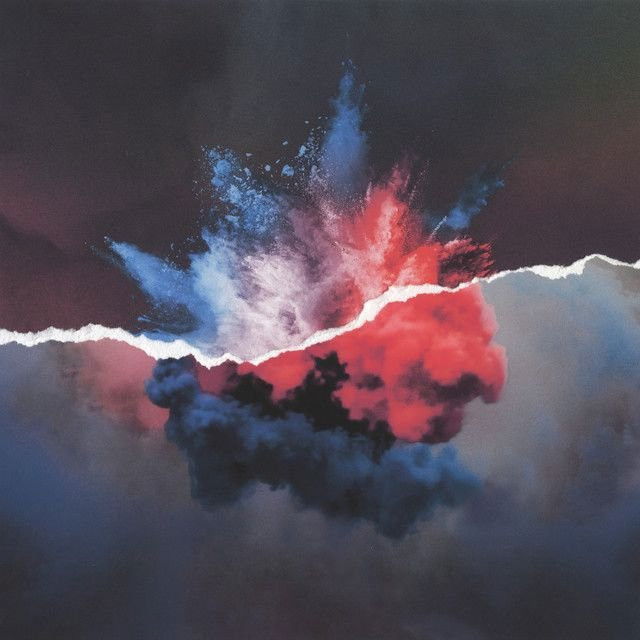
Used to This by Wilkinson, Issey Cross
The meaning of Used to This Wilkinson, Issey Cross starts with a simple feeling: a perfect night that feels so alive they do not want it to end. The song turns that emotion into a drum-and-bass rush, where romance, memory, and motion all blur together.
"Used to This" - Wilkinson, Issey Cross
Multicolored paint on my skin
Couldn't bare the night turning into daylight
Loading lyrics...
Unable to load lyrics
We're unable to display the lyrics at this time. Please try again later.
On the surface, it is about two people sharing an intense moment. Under that, it is about how quickly joy can feel essential. The singer is not just enjoying the connection. They are already imagining a future where this feeling becomes normal, safe, and lasting.
A Love-High That Feels Almost Untouchable
Factually, the track is a Wilkinson single featuring Issey Cross and appeared on Cognition. Songfacts also notes that Wilkinson described wanting a rolling drum-and-bass song with a sweet vocal tone, which helps explain the song’s mix of speed and softness.
That contrast is the key to its meaning. The beat moves with urgency, but the words feel suspended in a glowing memory. When the singer recalls multicolored paint
and the shift from night into morning, they are describing more than a party scene. They are showing a moment so vivid it feels painted onto the body.
Interpretation: the song treats love like an altered state. Everything looks brighter, time moves strangely, and ordinary limits begin to disappear.

Watch the official Used to This
music video
Why the Chorus Matters So Much
The chorus is built around one repeated thought: get used to this
. That line sounds casual at first, but it carries the whole emotional risk of the song.
Usually, saying they could get used to something means comfort. Here, it means the singer is letting hope in. They are not only enjoying the present. They are quietly asking whether this closeness can last.
That is why the follow-up question matters: Do you think you could
. The song stops being a private fantasy and becomes a vulnerable offer. They are asking for mutual commitment without using heavy or formal language.
From thrill to uncertainty
This is what makes the hook effective. It balances confidence and insecurity at the same time. The singer sounds swept away, but they also need the other person to confirm the feeling.
In plain terms, the chorus says: this feels amazing to them, and they want to know if the other person sees a future here too.
The Images That Build the Story
The lyrics are not plot-heavy, but they still create a clear emotional timeline:
- They remember entering a wild, colorful moment together.
- They resist the arrival of daylight because morning means the spell may break.
- They admit the other person feels central, even necessary.
- They ask whether the connection can continue beyond one night.
The phrase night turning into daylight
is especially important. In songs like this, nighttime often stands for freedom, desire, and escape. Daylight brings reality back. So when they do not want the night to end, they are really saying they do not want this fragile perfect state to disappear.
Another key image is sun is in your eyes
. Rather than describing the partner in realistic detail, the lyric makes them seem bright and almost unreal. They are less a person in a room than the center of the singer’s perception.
A Sudden Turn Toward Risk
One section changes the mood. The lines about fighting, rising early, and not caring if they die today introduce a sharper edge.
This should not be overstated as literal self-destruction. In context, it reads more like emotional extremity: they are so committed to feeling fully alive that fear no longer leads. The phrase least we know we’ve tried
suggests urgency, not nihilism.
Interpretation: this part expands the song from a romance into a credo about living intensely. Love is not just comfort here. It is a reason to leap before certainty arrives.
That shift gives the track more weight. Without it, the song could remain a pretty memory. With it, the song becomes about choosing connection despite risk.
How Wilkinson’s Production Sells the Emotion
Wilkinson is known for polished, energetic drum-and-bass, and this song uses that style well. The production keeps rolling forward, which mirrors the singer’s desire to stay inside the moment rather than let it fade.
Issey Cross’s vocal matters just as much. Songfacts cites Wilkinson saying he wanted a sweeter vocal sound, and that choice shapes the meaning. Her delivery is light, airy, and intimate, which softens the speed of the instrumental. Instead of sounding aggressive, the track feels euphoric and tender at once.
That combination explains why the song landed strongly enough to become a UK Top 40 hit, as noted by Songfacts. It gives listeners both movement and emotion: something to dance to and something to feel.
The Strongest Reading of the Song
The best way to read the meaning of Used to This Wilkinson, Issey Cross is as a song about becoming attached to a fleeting high and hoping it can become real life. It is romantic, but not settled. Euphoric, but not fully secure.
They are standing in the afterglow of one unforgettable night, asking if chemistry can turn into permanence. That is why the song feels so relatable. Many love songs promise forever. This one lingers in the more believable moment right before that promise, when someone dares to ask for more.
Final Thought
“Used to This” captures the instant when pleasure turns into longing. It is not only about having a good night together. It is about wanting that feeling to stay, repeat, and become part of everyday life.
That is the beauty of the song: they are not declaring certainty. They are discovering hope.
Disclaimer: This interpretation is based on the released lyrics, credited context, and the song’s production choices. As with any song, listeners may hear a different meaning.







