Why 'Miami' by Will Smith Still Feels Like Vacation
The meaning of Miami Will Smith comes down to one big idea: the song turns a city into a mood. Rather than telling a deep personal story, it sells Miami as a place where stress disappears, nightlife never stops, and every corner feels bright, hot, and glamorous.
"Miami" - Will Smith
Miami, uh, uh
South Beach, bringin' the heat, uh
Loading lyrics...
Unable to load lyrics
We're unable to display the lyrics at this time. Please try again later.
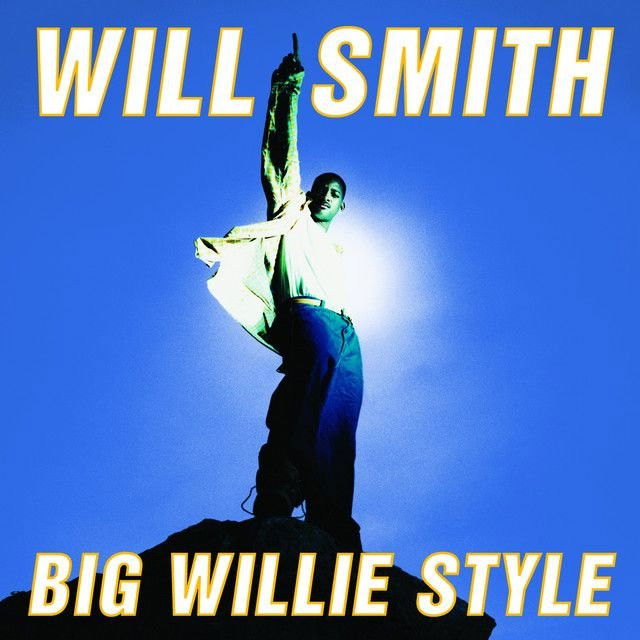
Released in 1998 on Big Willie Style, the track helped define Will Smith’s clean, upbeat crossover rap era, a period that also included huge singles like Gettin’ Jiggy wit It. According to Discogs, the song was written by Samuel Barnes, Will Smith, Ryan Toby, Stephen Shockley, William Shelby, and Leon F. Sylvers. That team matters because the record sounds designed for broad appeal: radio-friendly rap, pop polish, and a hook built to stick.
A City Turned Into a Fantasy
On the surface, the song is simple. Smith arrives in Miami, enjoys the clubs, the beach, the weather, and the attention, then invites everyone else into that world. The chorus makes that pitch plain with Welcome to Miami
and Bienvenidos a Miami
. Those short lines do more than greet the listener. They frame the city as open, exciting, and larger than life.
Interpretation: The song is not really about geography. It is about escape. Miami becomes shorthand for leaving work behind, stepping into sunshine, and living inside a fantasy of ease and abundance. When the verses describe days that feel like nonstop celebration, the song suggests a world with no real consequences, only pleasure and movement.

Watch the official Miami
music video
The Key Theme Is Lifestyle, Not Plot
There is not much plot here in the traditional sense. Instead, the song moves through snapshots: arriving in town, heading to the bar, seeing people from many backgrounds, getting pulled into the club scene, and enjoying luxury. The line the heat is on
works as both weather talk and party talk. Miami is hot in every possible way.
That is why the lyrics feel more like a guided tour than a confession. Smith presents himself as a host and a star at the same time. He is inside the scene, but he is also selling it. When he says my second home
, the claim is less about biography than belonging. He wants the city to seem so magnetic that even a visitor feels instantly connected to it.
What the Verses Say About Miami’s Identity
One of the song’s smartest choices is its attention to Miami as a multicultural space. Smith lists different communities and languages, then describes the city as a social mix powered by movement, music, and attraction. That matters because the song’s pleasure is not only about money or celebrity. It is also about contact: different people sharing one charged environment.
In that sense, Miami is portrayed as a meeting point. The mention of a melting pot
gives the track some social texture beneath the party surface. It suggests that what makes the city exciting is not just the beach, but the blend of Caribbean, Latin, Black, and American pop influences.
Interpretation: This is still a glossy version of diversity. The song celebrates difference as color, rhythm, and beauty, not as history or struggle. But for a mainstream pop-rap hit in the late 1990s, that emphasis was part of its charm. It made Miami feel worldly and vivid.
How the Chorus Locks In the Message
The chorus is the engine of the song. It repeats the basic promise: this is a place where the party lasts until sunrise. Because the hook is so direct, every verse detail feeds back into that same message. Clubs, beaches, cars, and warm nights are not separate images. They all support one feeling of continuous celebration.
All night, on the beach
'til the break of dawn
That brief refrain captures the song’s whole fantasy. Time stretches out. Night never becomes morning, at least not emotionally. The track wants listeners to stay suspended in that glow.
The Sound Makes the Meaning Easy to Feel
A big part of the meaning of Miami Will Smith comes from the production. The beat is smooth, bright, and rhythmic in a way that feels built for open-air cruising and packed dance floors. The drums are firm without sounding aggressive, while the synths and groove give the track a glossy coastal shine.
Smith’s delivery matters too. He raps with charm, clarity, and confidence rather than menace. That keeps the song accessible. Even when the lyrics mention status, flirtation, or luxury, the tone stays playful. He sounds like someone narrating a good time, not trying to prove toughness.
This helps explain why the song crossed over so well in late-1990s pop culture. It fit the era’s appetite for rap songs that could thrive on radio, MTV, and family-friendly party playlists. AllMusic notes Big Willie Style as a major crossover release, and "Miami" is one of the clearest examples of that strategy.
A Celebration With Limits
The song’s strengths are also its limits. It does not explore Miami’s deeper realities, contradictions, or hardships. It highlights glamour, bodies, nightlife, and wealth. That selective lens is part of the design.
Interpretation: The track works almost like tourism advertising in rap form. That is not an insult. In fact, it is why the song remains memorable. It knows exactly what fantasy it wants to sell and never gets distracted from it.
Why the Song Still Endures
"Miami" lasts because it is easy to understand and even easier to feel. It offers a vivid setting, a huge hook, and a version of fun that sounds warm, social, and effortless. More than anything, it captures Will Smith’s late-1990s persona: charismatic, approachable, and built for mass appeal.
So the meaning of Miami Will Smith is not hidden. The song is about pleasure, escape, and image. It turns Miami into a symbol of the good life, where the music is loud, the air is warm, and ordinary rules seem far away.
Disclaimer: This interpretation blends factual context with critical reading. Song meaning can vary from listener to listener.







