Why will.i.am’s ‘I Like to Move It’ Works
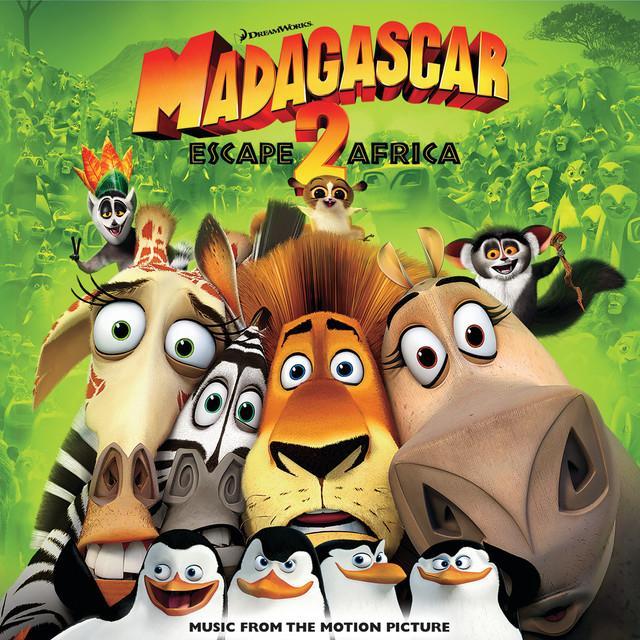
The meaning of I Like To Move It will.i.am is simple on the surface and smart in execution. This version is not trying to be deep confession or social critique. It is built as a celebration of motion, noise, and group joy, with will.i.am reshaping a famous dance anthem for Madagascar: Escape 2 Africa and tying it to his character Moto Moto.
"I Like To Move It" - will.i.am
I like to move it, move it
I like to move it, move it
Loading lyrics...
Unable to load lyrics
We're unable to display the lyrics at this time. Please try again later.
That matters because the song already had a long life before will.i.am touched it. The original was released in 1993 by Reel 2 Real featuring The Mad Stuntman, written by Erick Morillo and Mark Quashie, and it became a worldwide hit, reaching No. 1 in several countries and No. 89 on the US Hot 100, according to Wikipedia’s overview. will.i.am’s version keeps the core hook but changes the framing. Instead of a club track centered on admiration and swagger, it becomes a family-friendly, character-driven party record.
More Than a Hook, Less Than a Story
At its core, the song is about giving in to rhythm. The repeated hook, I like to move it
, is not just catchy branding. It acts like a command, a confession, and an invitation all at once.
The verses keep pushing the same idea from different angles. They describe dancing until the body is tired, treating the party like a full event, and making movement feel natural instead of forced. When the song says life is for celebration, it turns dance into something bigger than nightlife. It suggests that motion is a way to enjoy being alive.
Interpretation: The song’s lack of a detailed plot is part of the point. It is less interested in where the party is happening than in the feeling of surrendering to it.

Watch the official I Like To Move It
music video
How will.i.am Turns It Into Character Music
will.i.am’s version works differently because of Moto Moto. Lines like Moto Moto in the house
and physically, physically, physically round
connect the song directly to the hippo character from the film.
That shift changes the tone. The original “I Like to Move It” was a 1990s dance-floor anthem with ragga-house swagger. will.i.am keeps the swagger, but he adds cartoon confidence and comedy. The self-description is playful, oversized, and meant to entertain kids and adults at the same time.
This is why the song feels broad and theatrical. It is not only about dancing. It is also about entrance, personality, and performance. Moto Moto is basically announcing himself through music.
The Party Message Stays Front and Center
The clearest message comes in the lines about being “born to party.” The song argues that celebration is not a response to boredom. It is a natural human impulse.
That is why phrases like party hard
and we like to party
matter. They turn the track from a solo statement into a group chant. The song keeps widening its circle: I, she, he, they, we. Everyone gets pulled into the same beat.
This inclusive structure is one reason the track has lasted in pop culture. It is easy to sing, easy to dance to, and easy to adapt for movies, sports, ads, and parties. In 2024, Billboard even ranked the original among its greatest jock jams, showing how durable the concept has been.
Why the Sound Sells the Meaning
A song like this lives or dies by production. The beat has to do the meaning, not just describe it.
The original blend of house, ragga, and Eurodance is well documented, and critics at the time pointed to its pulsing synths and rave energy. will.i.am’s cover keeps that DNA but makes it shinier and more cinematic for a family movie soundtrack. The drums hit in a steady, stomping pattern. The chant-ready hook is built for call-and-response. The vocal tone is bright, loud, and physical.
Party ain't done, party ain't done
Party just barely got started
That brief moment sums up the song’s design. It does not build toward reflection. It builds toward more volume.
Rhythm as the Real Message
The track also uses repetition on purpose. Some listeners may hear that as simplistic, but repetition is the engine here. Repeating a phrase makes it feel bodily. After enough cycles, the listener is no longer analyzing the words. They are reacting to pulse and momentum.
Interpretation: In that sense, the song is almost about instinct. It reduces language to the minimum needed to trigger movement.
A Few Lines That Reveal the Theme
Several short phrases help show how the song works:
hands in the air
turns the crowd into one unit.like we just don’t care
signals release from self-consciousness.ants in my pants
makes restlessness funny and physical.do my little dance
keeps the mood playful, not serious.
None of these lines are complex on their own. Together, they create a world where movement equals freedom, confidence, and fun.
Why This Version Stuck
will.i.am’s recording stuck because it serves two jobs at once. It honors a proven dance classic while giving Madagascar a fresh burst of personality. It is familiar enough for adults who know the old hit, but silly and vivid enough for younger viewers meeting it through Moto Moto.
That balance is important. A lot of soundtrack songs feel borrowed. This one feels recast. It takes an existing anthem and bends it toward character comedy without losing the beat-first joy that made the original famous.
Final Take on the Meaning
So, what is the meaning of I Like To Move It will.i.am? It is a party song about the pleasure of movement, the pull of rhythm, and the way a shared beat can turn individual energy into group celebration. In will.i.am’s hands, it also becomes a playful extension of Moto Moto’s larger-than-life confidence.
It may not aim for emotional depth, but it succeeds at something harder than it looks: making motion feel contagious.
Disclaimer: This interpretation mixes documented context with informed reading of the lyrics and performance, so some meaning remains subjective.








