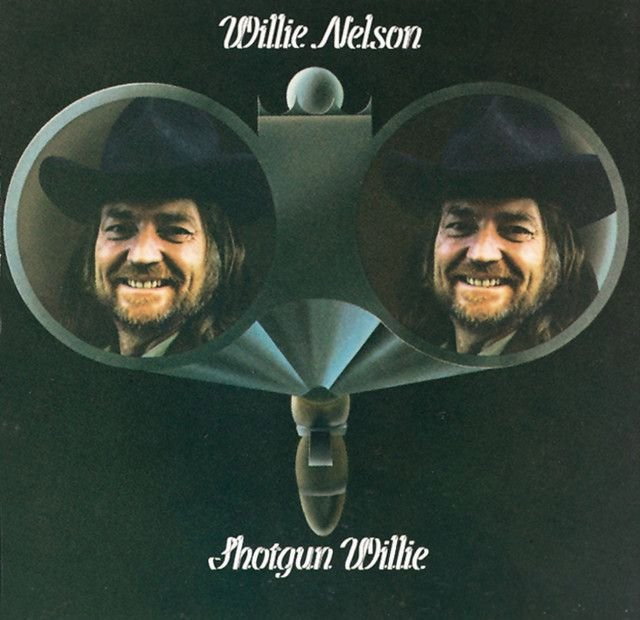
Whiskey River by Willie Nelson
The meaning of Whiskey River Willie Nelson starts with a simple but painful idea: heartbreak can feel so relentless that a person looks for anything to quiet their mind. In this song, they do not turn to healing, prayer, or revenge. They turn to whiskey.
"Whiskey River" - Willie Nelson
Don't let her memory torture me
Whiskey River don't run dry
Loading lyrics...
Unable to load lyrics
We're unable to display the lyrics at this time. Please try again later.
Willie Nelson did not write “Whiskey River.” Johnny Bush and Paul Stroud did, and Bush first released it in 1972. But Nelson’s version, recorded for Shotgun Willie and later released as a live single, became the one most listeners remember. Over time, it grew into one of his signature songs and a longtime concert opener. Sources including American Songwriter, Songfacts, and widely cited reference histories all note how closely the song became linked with Nelson’s live identity.
A Heartbreak Song Disguised as a Barroom Standard
At its core, the song is a breakup lament. The narrator is haunted by memory and asks whiskey to do what they cannot do alone: shut off the pain. When they plead take my mind
, they are not asking for joy. They are asking for relief.
That is why the hook hits so hard. The line don’t run dry
turns whiskey into a survival tool. The narrator acts as if the bottle is the only thing standing between them and emotional collapse. That is a classic country setup, but the song expresses it with unusual force.
Interpretation: The song is not really praising alcohol. It shows how desperate someone becomes when memory feels unbearable. Whiskey is less a party symbol than a form of self-medication.

Watch the official Whiskey River
music video
Why the River Image Matters So Much
The title image is the song’s smartest move. A river usually suggests life, motion, and cleansing. Here, the river is made of liquor. That twist turns a natural image into something darker.
When the singer describes drowning in a whiskey river
, they are not just drinking. They are being swallowed by grief and trying to disappear inside numbness. The phrase makes the coping habit feel huge, almost unstoppable.
Another striking image is amber current
. That small phrase gives whiskey both color and motion. It is not sitting still in a glass; it is flowing through the song like thought itself. The result is a portrait of intoxication as drift: the person is carried away, not restored.
The Chorus Turns Need Into Dependence
The chorus is direct, repetitive, and easy to remember. That matters because repetition mirrors obsession. The narrator keeps circling the same pain, the same need, and the same false solution.
Whiskey River take my mind
Don't let her memory torture me
Those lines frame the entire song. First comes mental escape, then the reason for it: memory. The lost relationship is not described in detail, but it does not need to be. The emotional damage is already clear.
Interpretation: The chorus works like a prayer, but to the wrong god. Instead of asking for strength, the narrator asks for oblivion. That choice gives the song its tragic edge.
Willie Nelson’s Version Feels Lived-In
Facts matter here. Johnny Bush wrote and first recorded the song, and his version was a country hit. But Nelson’s recording on Shotgun Willie helped cement the track in the outlaw-country era, and the 1978 live single pushed it even further into his public image. Songfacts notes that the live version reached No. 12 on the U.S. country chart and earned a Grammy nomination.
What made Nelson such a natural fit for it? Part of the answer is his voice. He sings with calm control, which keeps the song from tipping into melodrama. Instead of sounding wild, the performance sounds resigned. That restraint makes the sadness feel real.
Rolling Stone’s discussion of the track also points to the arrangement: a grooving bass line, vocal harmonies, and a flowing pace that gives the song forward motion. In live settings, that movement matters. Even while the lyric is about emotional paralysis, the band keeps rolling, like the river itself.
How the Sound Deepens the Meaning
This is where the meaning of Whiskey River Willie Nelson becomes richer. The production does not treat heartbreak as stillness. It gives it rhythm.
A few musical choices stand out:
- The steady beat suggests habit, almost like a ritual.
- The country instrumentation keeps the song grounded and familiar.
- Nelson’s phrasing stretches certain words, making them feel worn down rather than dramatic.
- In concert, the song’s communal energy creates a strange contrast: lonely words, shared experience.
That last point may explain why it became such a strong opener at Nelson’s shows. Reference histories and music press regularly note that it has opened his concerts since the mid-1970s. It announces his world immediately: road life, hurt, humor, survival, and the uneasy comfort of old songs.
A Song About Escape That Knows Escape Fails
One reason “Whiskey River” lasts is that it understands its own limits. Whiskey can blur memory, but it cannot truly fix what happened. The narrator says, in effect, that it is all I got
. That is not triumph. It is surrender.
So the song works on two levels. On the surface, it is a classic country drinking song. Beneath that, it is a portrait of emotional dependence. The singer does not sound free. They sound trapped between memory and the thing used to avoid memory.
That tension is what gives the song its staying power. It is catchy enough to sing along with, but sad enough to linger after it ends.
Why It Still Connects Today
Listeners still respond because the feeling is universal even if the setting is old-school country. Most people know what it is like to want a break from thoughts they cannot control. The song turns that wish into a vivid image and a singable refrain.
Willie Nelson’s genius as an interpreter was making other writers’ songs sound like pieces of his own life. “Whiskey River” is one of the clearest examples. It may belong on paper to Johnny Bush and Paul Stroud, but in performance it became part of Nelson’s legend.
Disclaimer: This interpretation is based on the lyrics, performance, and documented history of the song. Meaning can vary from listener to listener.







