Why 'Armagideon Time' Still Hits So Hard
The meaning of Armagideon Time Willie Williams starts with a simple idea: this is a warning song about a society in crisis. It speaks about hunger, injustice, fear, and the need for people to stand up when systems fail them. Even though the lyrics are brief, the message feels huge.
"Armagideon Time" - Willie Williams
A lotta people going to suffer tonight
'Cause the battle is getting harder
Loading lyrics...
Unable to load lyrics
We're unable to display the lyrics at this time. Please try again later.
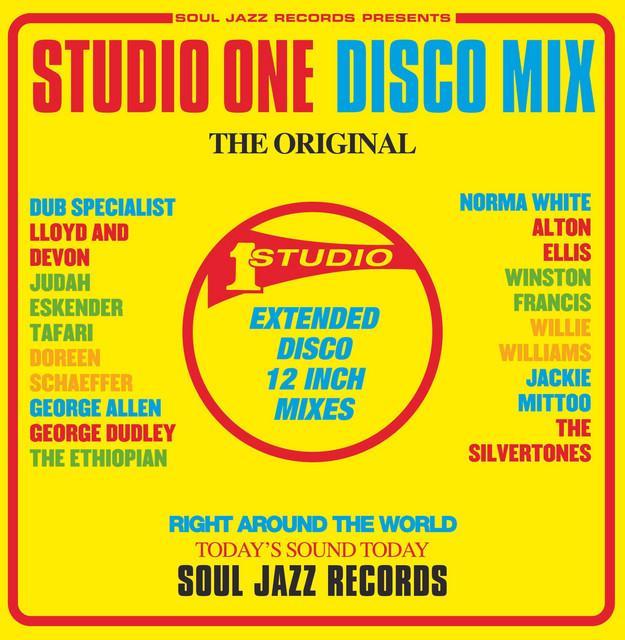
Willie Williams recorded the song in Jamaica, and it became one of reggae’s most lasting roots-era statements. It is widely tied to producer Coxsone Dodd and Studio One, with the rhythm often linked to the Studio One tradition and keyboard work associated with Jackie Mittoo. Those facts matter because the song sounds like public truth-telling: stripped down, firm, and impossible to ignore.
A Warning About More Than the End Times
On the surface, the title points to apocalypse. "Armagideon" echoes Armageddon, the biblical final battle. But the song does not only imagine some distant end of the world. It brings that idea into everyday life.
The opening focus on people who will not get no supper tonight
and others who will not get no justice tonight
makes the crisis concrete. This is not fantasy. It is about real hunger and real unfairness.
Interpretation: the song uses end-times language to describe a present social breakdown. In other words, "Armagideon time" is what it feels like when poverty, violence, and corruption become normal.

Watch the official Armagideon Time
music video
How the Verses Build One Harsh Picture
Each verse adds another layer to the same emergency. The lyrics move through a clear chain of suffering:
- People are hungry.
- People are denied justice.
- Fear spreads, and some start hiding.
- Others are told they must resist.
That structure gives the song its force. Hunger is not shown as an isolated problem. It sits beside injustice, and both lead to conflict. When the lyric says the battle is getting harder
, it suggests that daily life has already become a kind of war.
The phrase stand up and fight
is important here. The song does not celebrate violence for its own sake. It frames resistance as a response to oppression. People are not being called to chaos. They are being told not to accept misery in silence.
Faith as Strength, Not Escape
One of the song’s key turns is its spiritual advice. After describing suffering, it tells listeners to praise Jah and trust divine guidance. That matters because the song never treats faith as passive.
Instead, spirituality and action work together. The message is close to this: recognize the crisis, refuse defeat, and keep moral direction. The line about Jah guiding people makes belief feel practical, not abstract.
Interpretation: this is one reason the song has lasted. It does not split the world into politics on one side and religion on the other. In roots reggae, those things often meet. Social struggle is also spiritual struggle.
What “In This Iration” Suggests
The repeated line In this Iration
deserves attention. In Rastafarian language, words are often reshaped to carry deeper feeling. Here, the phrase sounds like a mix of “creation,” “nation,” and a charged spiritual state.
That makes the setting feel broad. The song is not only about one street or one night. It is about a whole condition, a whole society under pressure. Then the refrain lands: it's Armagideon
. The effect is chant-like, almost like a siren.
Because the hook is repeated so often, it stops sounding like mere description and starts sounding like a diagnosis.
Why the Music Feels So Severe
The production is a major part of the meaning of Armagideon Time Willie Williams. The groove is slow, heavy, and spacious. The bass and drums keep things grounded, while the keyboard touches give the track a haunted, tense mood.
This is classic roots reggae design: repetition, room in the mix, and a pulse that feels both hypnotic and alert. Nothing is rushed. That matters because the song is not panicking. It is testifying.
Williams’s vocal delivery adds even more weight. They do not sound theatrical. They sound steady, almost like someone delivering hard truth to a crowd. That plain style makes the warnings more believable.
A Song That Traveled Beyond Its First Release
The song gained even wider international attention when The Clash covered it in 1979, helping introduce many rock listeners to Williams’s original message. That later version is famous, but the original remains the deeper statement because its roots reggae frame gives the words their full spiritual and political force.
Its staying power also comes from how open the writing is. The lyrics never name a single politician, event, or place. That means each generation can hear its own crisis in the song: economic hardship, police injustice, state violence, or social collapse.
The Strongest Reading of the Song
The best reading is also the simplest one. “Armagideon Time” says that when people are denied food, fairness, and safety, society is already living through a form of judgment.
Interpretation: the song’s final power lies in its balance. It sees suffering clearly, but it does not end in surrender. It offers resistance, community, and faith as ways through disaster.
Final Take
For many listeners, the meaning of Armagideon Time Willie Williams is that apocalypse is not only a future event. It can describe the present when injustice becomes everyday life. The song lasts because it turns that grim truth into a call to stay awake, stay grounded, and refuse silence.
Disclaimer: This interpretation is based on the lyrics, reggae history, and commonly discussed cultural context. As with any song, listeners may hear meanings that differ from this reading.








