Why 'Handy' by Wishbone Ash Still Pulls Back
The meaning of Handy Wishbone Ash comes through as a tense breakup song, but not a simple one. It sounds like a speaker trying to reject someone from the past while still feeling drawn into the memory of that relationship.
"Handy" - Wishbone Ash
Want to be friends again.
I keep tellin' you,man, she's only a pain.
Loading lyrics...
Unable to load lyrics
We're unable to display the lyrics at this time. Please try again later.
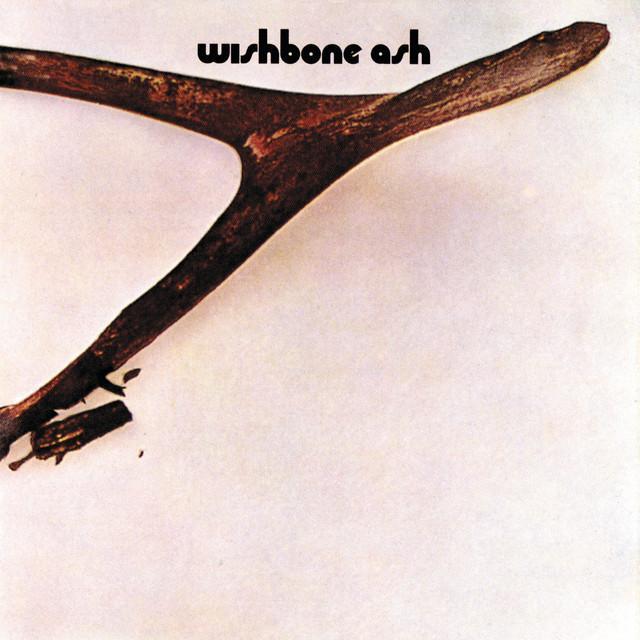
That emotional split matters because "Handy" is not a short, sharp single. It is an 11:30 album track from Wishbone Ash's 1970 debut, Wishbone Ash, produced by Derek Lawrence and recorded at De Lane Lea Studios in London, with the album later reaching No. 29 on the UK chart, according to Wikipedia's album overview. In that setting, the song has room to let hurt, pride, and confusion stretch out.
The Heart of the Song Is Resistance
At the center of the song, the narrator seems to hear an old flame trying to come back. The opening image of being by the fire and hearing a voice of desire creates a private, almost haunted mood. The past is not gone; it shows up uninvited.
When the singer insists she is only a pain
, the line sounds harsh on purpose. They are trying to talk themselves into emotional distance. But the more they push that point, the more the listener can hear the opposite: this person still matters enough to cause real agitation.
Interpretation: The song is less about clean rejection than about the struggle to make rejection stick.

Watch the official Handy
music video
A Relationship That No Longer Fits
One of the clearest lyrical ideas is social and personal mismatch. The speaker says she does not fit in my scene
and no longer belongs in their world. That is stronger than saying a romance failed. It suggests values, identity, and lifestyle have changed.
This gives the song a very human conflict. Sometimes people do not just break up because they stop feeling something. They break up because the relationship no longer matches who they believe they have become.
Pride and doubt live side by side
The speaker sounds firm, but their firmness is shaky. If they were truly finished, there would be no need to repeat the case so strongly. The words feel like self-defense.
That is why the line about someone still knockin' on my door
matters. Whether that knock is literal or emotional, the past keeps demanding an answer.
A Quick Look at the Song's Inner Story
The lyrics sketch a small but vivid timeline:
- The speaker sits alone in a reflective space.
- A voice from the past returns, asking for connection.
- The speaker argues that this person causes trouble.
- They claim she no longer belongs in their life.
- Even after she is gone, the thoughts remain.
That last point is key. The song ends up less concerned with the woman herself than with what her return does to the speaker's mind. The image of thoughts around the floor
suggests mental clutter, as if the breakup has turned into a mess they cannot fully clear away.
She's gone away,
We're kickin' the thoughts
around the floor.
Those lines are brief, but they carry the emotional center. The person may be absent, yet the aftermath is still active.
How the Music Expands the Meaning
Facts about the track help explain why it feels so unsettled. "Handy" runs 11:30 and appears on side two of the debut album next to "Phoenix," another long piece with extended instrumental passages, as noted in the album entry. Wishbone Ash were already known for blending hard rock, blues rock, and progressive ideas on that record.
That matters because a song like this benefits from musical space. Rather than delivering one simple emotional message, the arrangement can circle the same conflict from different angles. Long instrumental sections often work like thought spirals: the words state the wound, and the guitars keep turning it over.
Wishbone Ash's twin-lead-guitar approach also fits the lyric well. Even without a song-specific studio breakdown, the band's early style often sounds conversational, almost like two voices pulling against each other. In "Handy," that kind of interplay can be heard as a musical version of inner conflict—part of the self pushing away, another part still engaged.
Artist Context Sharpens the Reading
The debut album arrived at a formative moment for the band. According to the same Wikipedia summary, Deep Purple's Ritchie Blackmore recommended the group to MCA, and Derek Lawrence went on to produce the album. That connection helps place Wishbone Ash in a scene where blues feeling and hard-rock muscle often met extended, exploratory structures.
So the meaning of Handy Wishbone Ash is not just in the words. It also lives in the format: a long album track, from a young band, on a debut record, choosing atmosphere and development over a neat pop resolution.
Alternate Readings Worth Considering
Interpretation 1: The song is about a romantic relationship that has become toxic but still exerts a pull.
Interpretation 2: It may also be about belonging. When the speaker says someone no longer fits their scene or world, the issue may be social identity as much as heartbreak.
Both readings work because the lyrics stay compact and conversational. They do not explain everything, which lets the emotional tone do more of the work.
Why the Song Still Lands
What makes "Handy" memorable is its honesty about mixed feelings. The speaker wants distance, but not peace. They sound certain, yet they keep returning to the same wound.
That tension is the real answer to the song's pull. It captures the moment when someone leaves, but the argument with them keeps going inside the mind.
Disclaimer: This interpretation is based on the released lyrics, track context, and documented album facts. As with many songs, meaning can remain open to multiple valid readings.







