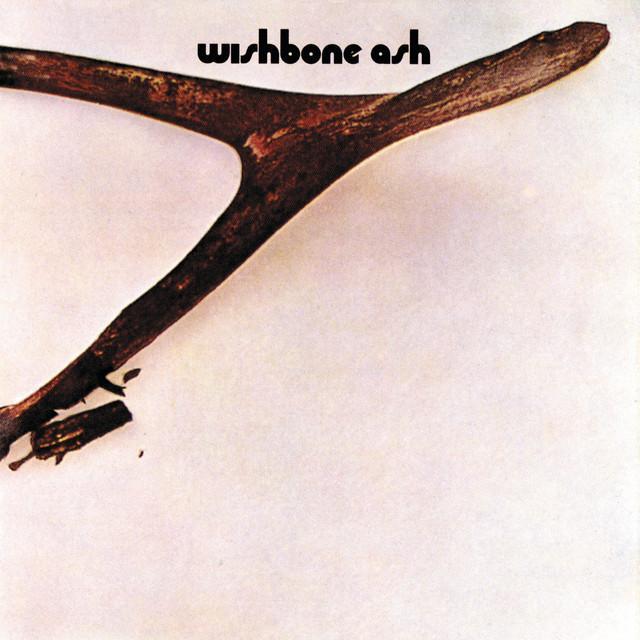
Why “Phoenix” by Wishbone Ash Still Soars
The meaning of Phoenix Wishbone Ash starts with a familiar image: a bird reborn through fire. But the song does more than repeat a myth. It turns that image into a slow, heavy, and then uplifting piece about survival after devastation.
"Phoenix" - Wishbone Ash
All the ruins and the fire.
Bird, raise your head from the ashes - many men lay dead.
Loading lyrics...
Unable to load lyrics
We're unable to display the lyrics at this time. Please try again later.
Released on Wishbone Ash’s self-titled debut album in 1970, Phoenix
closes the record and runs more than ten minutes. The song later became a live finale for the band, which fits its sense of scale and release. Those facts are widely noted by sources such as Songfacts and reference material on the album’s history.
A Myth Turned Into a Recovery Story
At the lyric level, the song is direct. It addresses a bird rising from destruction, using images of cinders
, ruins
, and ashes
. The point is not subtle plot detail. Instead, the words create a before-and-after contrast: there has been fire, there has been death, and something still manages to stand up again.
That is the core of the meaning of Phoenix Wishbone Ash. The song presents rebirth as difficult, not magical in a painless sense. The world below is damaged. The bird is told to leave devastation behind and lift itself toward the sky.
Interpretation: listeners can hear that as emotional recovery. It may suggest a person living through grief, shock, or failure and finding the strength to move forward. Because the lyric stays broad and symbolic, it leaves room for many personal readings.

Watch the official Phoenix
music video
The Voice Feels Like a Witness and a Guide
One striking thing is the speaker’s position. They are not simply describing the mythical bird from a distance. They sound like a witness calling to it, almost urging it back into life. When the lyric says rise high
and later points upward to the sky, the voice becomes encouraging, even ceremonial.
There is also a darker touch in the mention that many men lay dead
. That brief line changes the emotional weight of the song. The phoenix is not rising from abstract ashes. It rises in a landscape marked by real loss.
Interpretation: that detail allows the song to be heard not just as private healing, but as renewal after collective damage. It can suggest war, social collapse, or any event that leaves a human cost behind.
How the Song Moves From Ruin to Lift
The lyric is short, but the structure gives it power. In simple terms, the song moves through three emotional stages:
- Destruction is established through images of fire and remains.
- The bird is called upward, away from that scene.
- The repeated cry to rise turns rebirth into the song’s emotional payoff.
That last step matters most. The refrain around raise your head
is not only descriptive. It sounds like an instruction to reclaim dignity. The song treats recovery as an action, not just a miracle that happens on its own.
raise your head
to the sky
Those words are brief, but they capture the song’s whole arc: from downward ruin to upward motion.
Why the Music Makes the Meaning Bigger
“Phoenix” appears on Wishbone Ash’s debut album, released on December 4, 1970, and produced by Derek Lawrence. The record is often described as mixing hard rock, blues rock, and progressive rock, and “Phoenix” is one of its clearest large-scale statements.
The band’s famous twin-lead guitar style is crucial here. Rather than crowding the lyric, the guitars stretch the emotional space around it. The long instrumental sections make the idea of rising feel gradual. They let the song climb instead of simply stating its theme once and ending.
That is why the track worked so well live. Songfacts notes that it became the climax of Wishbone Ash’s concerts for many years, and live versions often expanded well past the studio length. That history supports the interpretation many fans already hear in the music: “Phoenix” is built like a transformation, starting in shadow and earning its sense of release.
Artist Context Matters Here
Wishbone Ash formed at a moment when British rock bands were pushing songs past standard radio format. On their debut, they balanced blues-rooted playing with more progressive structures. “Phoenix,” at 10:23, shows that ambition clearly.
The writing is credited to the band members Andy Powell, Ted Turner, Martin Turner, and Steve Upton on the original album. That group authorship makes sense because the song feels collective in design. The lyric is spare, but the arrangement is where much of the statement happens.
Interpretation: the band seem less interested in telling a detailed story than in building a mythic atmosphere. The result is a song that feels timeless. It could belong to fantasy, to spiritual reflection, or to the emotional language of hard rock.
The Best Way to Read “Phoenix” Today
For modern listeners in the United States, the song still lands because its message is easy to feel even when its lyrics stay abstract. Everyone understands some version of starting over. “Phoenix” gives that experience a dramatic, almost sacred shape.
The meaning of Phoenix Wishbone Ash is therefore both simple and deep: life can emerge from wreckage, but only after facing what was destroyed. The song does not deny the fire. It insists on rising through it.
That balance is why it lasts. The myth gives it grandeur, and the music gives it emotional proof.
Disclaimer: This interpretation is based on the song’s lyrics, recording context, and documented history. As with most symbolic songs, different listeners may hear different meanings.








