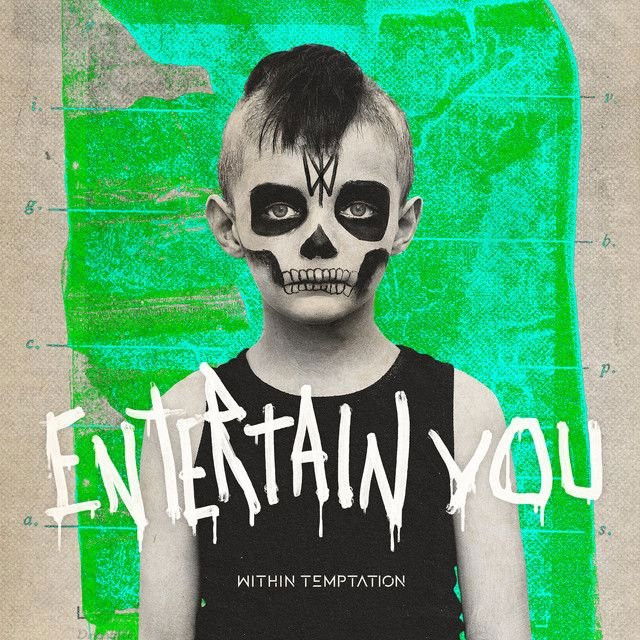
Why “Entertain You” Hits Back So Hard
When people search for the meaning of Entertain You Within Temptation, they usually hear the anger first. The song sounds like a confrontation. But under that force, it carries a wider message about exploitation, prejudice, and the refusal to be turned into a spectacle.
"Entertain You" - Within Temptation
Your bloody time's up
This ain't no game
Loading lyrics...
Unable to load lyrics
We're unable to display the lyrics at this time. Please try again later.
Released as a standalone single on 8 May 2020 and later included on Bleed Out, the track arrived during the lockdown era after the band’s planned Worlds Collide tour was disrupted, according to Wikipedia. That timing matters. Even outside its direct lyrics, the song came into a moment when social pressure, online outrage, and public shaming felt unusually visible.
A Battle Cry Against Being Used
At its core, the song rejects a power structure that treats certain people as disposable. The repeated line not here to entertain you
is the key. It is not only a personal insult thrown back at one enemy. It is a boundary.
Interpretation: the speaker seems to address people who consume others for pleasure, status, or control. The verses describe betrayal, mock concern, and smug authority. Phrases like sitting on your throne
suggest entitlement, while the warning that someone may win a battle but lose the war turns the song into a longer moral reckoning.
Within Temptation described the song in a press statement as criticizing self-gratification at the expense of others, including victimization and exploitation across politics, religion, sex, race, and culture, as summarized by Wikipedia. That gives the chorus a broader social meaning. The target is not just one villain. It is a habit of dehumanizing people who are seen as different.

Watch the official Entertain You
music video
Who Is Speaking in the Lyrics?
The voice shifts between “I” and “we,” and that choice is important. At one moment, the song sounds deeply personal, especially when it points to betrayal and emotional injury. At another, it becomes collective, as if one wounded person is speaking for a larger group.
That is why lines about pain never stay private for long. The speaker says they were hurt, but they also refuse to bow. The phrase my freedom’s undefeated
turns the song from revenge into resistance.
From Individual Hurt to Shared Defiance
This movement from “I” to “we” suggests solidarity. The song does not remain trapped inside one broken relationship. It grows into a protest against systems that shame, use, or silence people.
Interpretation: listeners can hear it in at least two ways:
- as a face-off with a manipulative person
- as a statement aimed at prejudice and social exclusion
- as both at once
That layered voice is one reason the song feels direct without becoming narrow.
How the Story Unfolds
The lyrics move in a clear emotional arc:
- A warning is issued. The song opens with hard, confrontational language.
- The source of harm is identified as arrogant and exploitative.
- The speaker names betrayal and refuses further submission.
- The chorus redraws the line: no more performance, no more obedience.
- The final stretch widens the conflict into a larger social critique.
A brief lyric snapshot captures the mood:
This ain't no game
We're not here to entertain you
Even here, the point is bigger than aggression. The speaker insists that suffering is real, and turning that suffering into a show is part of the problem.
The Meaning in the Music Itself
The production helps explain why the message lands so sharply. “Entertain You” blends Within Temptation’s symphonic-metal identity with a more compact, modern attack. The guitars drive forward instead of floating, the rhythm section pushes with urgency, and Sharon den Adel’s vocal moves between cool control and open fire.
Factually, the song was produced by Daniel Gibson, Mathijs Tieken, and Within Temptation, with Gibson also contributing male vocals. That extra vocal texture adds pressure in the chorus and gives the track a confrontational, almost crowd-like force.
Why the Chorus Feels Like a Refusal
The hook is built to sound like a shutdown. The words are blunt, but the arrangement is just as important. The beat keeps the momentum high, while the melodic rise in the refrain makes the refusal sound triumphant instead of defeated.
That balance matters. A song about exploitation could have sounded crushed or hopeless. Instead, this one sounds armored.
The Video Expands the Song’s Meaning
The official video strengthens the reading that this is about outsiders being watched, judged, and used. Its black-and-white style with sharp green and red accents shows marginalized figures under surveillance, pushed toward performance and conflict. Instead of giving the watchers what they want, those figures break the cameras and walk out together.
Interpretation: that visual ending mirrors the lyrics perfectly. The real victory is not beating the system at its own game. It is refusing the role the system assigns.
The imagery of masks, circus-like presentation, and staged observation also fits the title. “Entertain” becomes a dark word here. It implies a crowd expecting pain, difference, or rebellion to be packaged for consumption.
Why the Song Still Connects
Part of the lasting appeal of the meaning of Entertain You Within Temptation is that it speaks to several modern pressures at once: online harassment, cultural intolerance, public performance, and the demand to stay pleasing even when harmed.
Sharon den Adel has linked the song’s inspiration to viral harassment and intolerance toward minority groups, as reported in summaries of her interviews and band statements. That context supports a reading centered on freedom of expression and equal dignity.
Final Take
“Entertain You” is a defiant song about drawing a line. It says people are not props, punching bags, or content for someone else’s appetite. Its rage serves a purpose: to defend freedom, dignity, and the right to exist without performing for power.
That is the strongest reading of the song, but interpretation can vary from listener to listener. Some may hear a personal betrayal anthem first, while others hear a broader protest against exploitation and prejudice.







