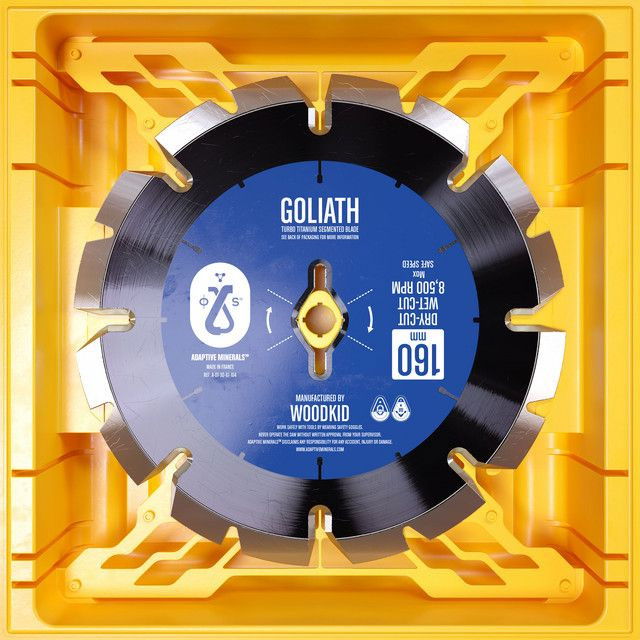
Goliath by Woodkid
Why This Song Feels Like a Collapse in Real Time
The meaning of Goliath Woodkid starts with damage, not triumph. Woodkid builds the song around the feeling of watching someone unravel while also realizing a bond has already been broken. The lyrics do not present a simple fight between hero and villain. Instead, they show grief, anger, and disbelief all at once.
"Goliath" - Woodkid
A pattern of mad strobes, you're going haywire
In your eyes, night cold, I see the end of us
Loading lyrics...
Unable to load lyrics
We're unable to display the lyrics at this time. Please try again later.
Factually, “Goliath” is a 2020 Woodkid single tied to the album S16, a record shaped by pressure, identity, and systems larger than the self. Woodkid, the stage name of Yoann Lemoine, is known for cinematic pop that mixes orchestral scale with electronic force. That style matters here because the production makes emotional destruction feel huge.

Watch the official Goliath
music video
The Core Meaning: A Giant That Is Already Falling
At its heart, the song sounds like a confrontation with someone who has become unrecognizable. The speaker sees confusion, self-destruction, and emotional blindness in the other person. When they ask Where are you going, boy?
they are not asking for directions. They are asking how this person drifted so far from who they used to be.
Interpretation: The title “Goliath” suggests power, size, and ego. But unlike the biblical giant, this figure seems unstable from the start. The song hints that strength without self-knowledge turns into collapse. That makes “Goliath” less a portrait of invincibility than a study of a powerful person breaking apart.
A Relationship Full of Shock and Betrayal
The verses frame this breakdown as intimate. The speaker is not a distant observer. They have been hurt by the other person’s behavior, and they sound both wounded and stunned. In one of the song’s clearest emotional turns, they admit forgiveness keeps failing; the more mercy they offer, the worse the damage gets.
That is why lines like the mask shatters
matter. The song suggests performance, pretense, and false confidence. Someone was hiding behind a role, and that role can no longer hold. Once the mask breaks, the speaker sees the coldness underneath.
When did you get so lost?How could you be so blind?
This brief refrain is the emotional center of the song. Paraphrased, the speaker is asking how a person can lose their moral and emotional direction without noticing it. The repeated questions sound less like accusation alone and more like a cry of disbelief.
Images of Light, Smoke, and Illness
One reason the meaning of Goliath Woodkid feels vivid is the imagery. The song opens with violent visual effects: lasers, strobes, split body parts, and a sense of sensory overload. These are not random cool images. They create the feeling of a person or relationship being fractured under harsh light.
Later, the lyrics move from light to sickness. Phrases like dark fever
and references to heart pain suggest something toxic spreading through the bond. The damage is not just emotional; it feels physical. Betrayal becomes a kind of infection.
Then comes smoke. When the song shows someone dancing through the smoke
, it presents denial in motion. The other person keeps moving as if nothing matters, even while everything is burning down. That image captures one of the song’s central tensions: one person sees disaster clearly, while the other keeps performing through it.
How the Sound Makes the Meaning Bigger
Woodkid’s production style is essential to understanding the song. Their music often uses pounding drums, brass-like force, layered vocals, and sharp electronic textures. On “Goliath,” that scale mirrors the emotional stakes. The arrangement does not sound private or small; it sounds like a personal crisis made monumental.
The beat feels mechanical and relentless, which fits a song about destructive momentum. The vocal delivery also helps. Woodkid does not sing these lines softly or with detached sadness. They sound urgent, bruised, and pressurized. That keeps the song from becoming abstract.
Interpretation: The contrast between intimate pain and giant production may be the point. A broken relationship can feel world-ending from the inside. Woodkid turns that inner collapse into something almost industrial, as if private hurt has been absorbed by a machine too big to stop.
Artist Context Behind the Track
Woodkid’s broader work often explores masculinity, control, vulnerability, and transformation. Those themes are all present here. “Goliath” arrived during the S16 era, a period when Woodkid discussed pressure and alienation around modern life and performance. That context supports reading the song as more than a breakup track.
Interpretation: It can be heard in at least two ways:
- A personal betrayal song. The speaker confronts a lover or close partner who has become destructive, false, or emotionally unreachable.
- A wider critique of power. “Goliath” may also point to systems or identities built on force and image, where blindness grows alongside power.
Both readings fit because the lyrics stay personal while the title and sound stay massive.
Why the Chorus Hits So Hard
The chorus works because it uses simple language to express complicated pain. There is no ornate metaphor in the repeated questions. Instead, the song strips everything down to confusion and hurt. The speaker cannot understand how this person changed, and that confusion becomes its own wound.
That is also why the song connects with listeners. Many people know the feeling of looking at someone they once trusted and realizing they are no longer who they seemed to be. “Goliath” captures that moment with force but also with grief.
Final Take on the Meaning of Goliath Woodkid
The meaning of Goliath Woodkid is about watching power turn hollow. It portrays a relationship damaged by deception, blindness, and emotional collapse, then amplifies that pain with enormous production. The result is a song about betrayal that feels both personal and mythic.
In the end, “Goliath” is not really about a giant standing tall. It is about a giant already cracking from within.
Disclaimer: This interpretation is based on the song’s lyrics, sound, and public artist context. Like most art, the song can support more than one meaning.







