Why "Triumph" Sounds Like Total Victory
The meaning of Triumph Wu‐Tang Clan, Cappadonna starts with force. This is not a song about one clean message or one simple plot. It is a group statement, a display of lyrical power, and a warning shot. On a track built like a battlefield, Wu-Tang Clan rap as if they are proving they can outthink, outrap, and outlast everyone around them.
"Triumph" - Wu‐Tang Clan ft. Cappadonna
I'm the Osiris of this shit
Wu-Tang is here forever, motherfuckers
Loading lyrics...
Unable to load lyrics
We're unable to display the lyrics at this time. Please try again later.
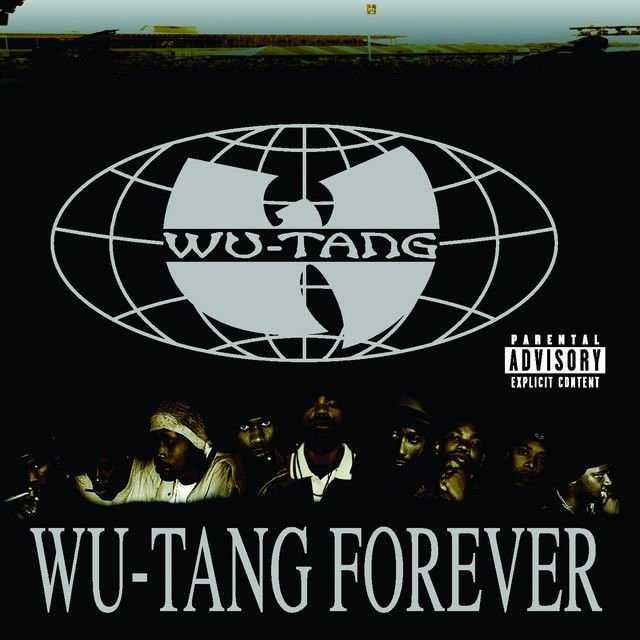
Released in 1997 as the lead single from Wu-Tang Forever, the song brought together nearly the whole Clan, with Cappadonna included, over a dark RZA production that feels tense and cinematic. Factually, it marked a major moment in the group’s rise after their solo breakthroughs and helped define the scale of the double album that followed.
The Real Core of the Song
At heart, “Triumph” is about supremacy through language. Each rapper treats words like weapons, and the group presents lyrical skill as a kind of survival tool. When they boast, they are not just bragging for sport. They are turning rap into combat, strategy, and myth.
That is why so many verses sound like they are moving between street reality and epic fantasy. They speak in images of soldiers, gods, flames, science, and judgment. The effect is to make Wu-Tang feel larger than ordinary rap competition.
Interpretation: the song suggests that true triumph is not comfort or peace. It is mastery under pressure. They win by remaining sharp, original, and impossible to ignore.
Watch the official Triumph
music video
A Crew Anthem Without a Normal Hook
One reason the track feels so huge is that it avoids a standard pop structure. There is no singalong chorus guiding the listener back to one emotional center. Instead, the recurring chant around The saga continues
and Wu-Tang
acts like a banner.
That matters to the meaning. The song is less about private feeling than collective identity. Even when each MC sounds distinct, they are all serving the same larger idea: Wu-Tang as a permanent institution.
In simple terms, the hook says the movement is ongoing. The group is not presenting one big moment of success and stopping there. They are saying the mission keeps expanding.
How the Verses Build the Feeling of Triumph
Inspectah Deck’s opener is the song’s most famous moment for a reason. He begins with I bomb atomically
, then piles up references to philosophy, warfare, and spectacle. The verse does not unfold like a diary entry. It arrives like an attack.
That opening sets the template for the rest of the track:
- Each rapper enters with total confidence.
- The imagery keeps moving from the physical to the cosmic.
- The language stays dense, making skill itself the subject.
Method Man and the others continue that approach by mixing danger, humor, swagger, and surreal detail. Cappadonna’s verse near the end keeps the pressure high, adding more verbal threat and off-center imagery.
Interpretation: because there is no neat storyline, the song’s “plot” is really the accumulation of power. Triumph comes from wave after wave of elite performances.
Symbols: War, Myth, and Worldwide Reach
The lyrics repeatedly compare rapping to battle. Guns, swords, explosions, and invasions all appear, but they usually stand in for verbal domination. When they present themselves as warriors, they are really claiming that rap is a test of discipline and force.
Myth and religion also matter. Early on, Ghostface invokes Osiris of this shit
, linking himself to resurrection and ancient authority. Elsewhere, the song jumps across references that feel scholarly, spiritual, and cinematic at once. That mix was part of Wu-Tang’s identity from the start: street rap fused with kung fu films, Five-Percent ideas, comic-book scale, and layered wordplay.
A short section captures the mood well:
Olympic torch flaming
the thrill of victory
Even there, the song frames success as heat, struggle, and spectacle. Triumph is public, dangerous, and earned.
Why the Beat Matters So Much
RZA’s production gives the lyrics their stage. The instrumental is eerie and spacious, driven by strings and hard drums that create tension instead of celebration. Rather than sounding warm or victorious in a traditional way, the beat sounds haunted and relentless.
That choice is key to the meaning of Triumph Wu‐Tang Clan, Cappadonna. The music tells listeners that victory is not soft. It feels cold, urgent, and slightly apocalyptic.
The beat also leaves room for each voice to stand out. Since the track is packed with MCs, the production needs space more than clutter. RZA gives them that space, so every verse hits like a fresh scene in the same war film.
Artist Context Makes the Song Bigger
By 1997, Wu-Tang Clan were no longer only a hungry Staten Island crew. Several members had already released major solo albums, and expectations for Wu-Tang Forever were enormous. “Triumph” had to prove the group could reunite at full strength without losing what made them dangerous in the first place.
They answered that challenge by making a song with almost no compromise. It is long, dense, and not radio-shaped. Yet that is exactly why fans embraced it. The track became legendary because it trusted listeners to meet the group at their level.
Final Take: Victory as Verbal Survival
In the end, “Triumph” is about more than winning a rap battle. It turns lyrical excellence into identity, mythology, and endurance. Wu-Tang and Cappadonna sound like they are fighting to preserve their place in rap history, and they do it by making every verse feel overwhelming.
That is why the song still lasts. It does not ask for attention politely. It seizes it and keeps it.
Disclaimer: This interpretation is based on the lyrics, performance, and known context of the song. As with all art, listeners may hear different meanings in different verses.








