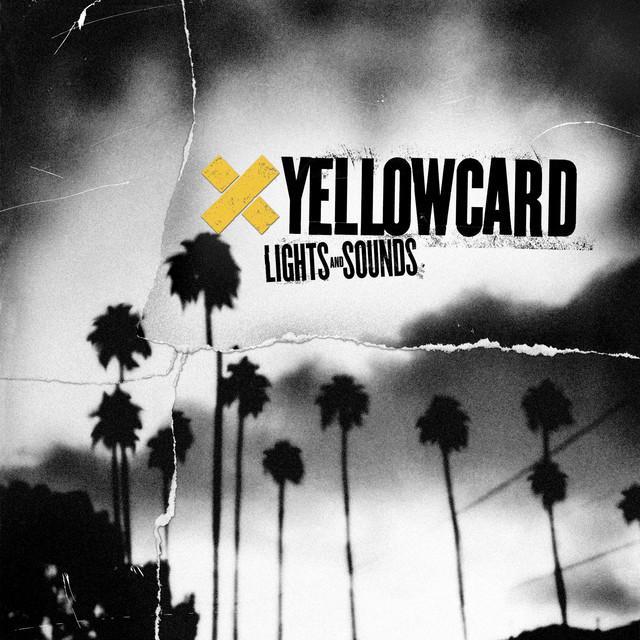
Lights And Sounds by Yellowcard
Why This Song Still Hits Hard
The meaning of Lights And Sounds Yellowcard comes down to pressure, identity, and the danger of getting lost in fame. On the surface, the song sounds like a big, urgent rock single. Underneath, it is about a band trying to stay honest while success, labels, and industry noise close in.
"Lights And Sounds" - Yellowcard
You made it through but nevertheless
I got you out on a wire
Loading lyrics...
Unable to load lyrics
We're unable to display the lyrics at this time. Please try again later.
Released as the lead single from Yellowcard’s album Lights and Sounds, the track arrived on November 15, 2005, and later reached No. 4 on Billboard’s Modern Rock chart and No. 50 on the Hot 100. It was produced by Neal Avron and marked a darker shift from the brighter energy of Ocean Avenue. Those facts are widely documented in standard release histories and album coverage.

Watch the official Lights And Sounds
music video
The Core Meaning: Fame as Distraction
At its heart, the song warns about being seduced by spectacle. The repeated image of lights and sounds
is not just about concerts or Hollywood flash. It points to all the noise around a rising band: hype, expectations, fake friends, and image-making.
Ryan Key explained in interviews that the song was about a band like Yellowcard entering a career they did not expect, then finding themselves surrounded by false people and temptation. In that sense, the song is not a celebration of success. It is a defense against being changed by it.
Interpretation: The lyrics suggest that attention can feel thrilling and empty at the same time. The world gets louder, but the person inside may feel more isolated.
A Chorus About Getting Pulled In
The chorus is the clearest summary of the song’s tension. When they sing take a look around
and let them bring you in
, the words sound inviting. But the mood is uneasy, not joyful.
That matters because the song treats fame like a trap dressed as excitement. The “lights” and “sounds” attract, then overwhelm. By the time the song mentions pulling the curtain down, the image shifts from performance to emptiness. The show ends, and the person is left asking where they have been.
Interpretation: The chorus works like a warning label. It says the glamour of success can blur a person’s sense of self.
The Verses Show Mixed Messages
The verses are full of contradictions, which is one reason the song feels so tense. One line says make it new but stay in the lines
. Another pushes someone to let go while still hiding what they feel.
Those ideas capture a common industry problem: artists are told to be original, but only in safe ways. They are told to be emotional, but not too honest. They are told to smile for the crowd, even after betrayal.
That is why the song’s voice feels both angry and exhausted. It is not just criticizing outsiders. It is describing how hard it is to stay real when every message around them is mixed.
The Most Important Lyric in the Song
One passage gets to the center of the song’s frustration:
They gave you the end
But not where to start
Not how to build
How to tear it apart
Ryan Key said these lines connected to punk influences like NOFX and Bad Religion and to the way scenes and labels can hand artists a ready-made identity without teaching the deeper roots behind it. In simple terms, the song argues that culture often gives people the finished image first and skips the hard part: learning how to create something true.
That idea expands the meaning of Lights And Sounds Yellowcard beyond one band’s fame story. It becomes a critique of false identity itself.
How the Sound Carries the Message
This song works because the music and lyrics say the same thing. It is built on a hard guitar riff, repetitive drumming, and a forceful vocal delivery. Compared with the more youthful pop-punk tone many listeners linked to Yellowcard, this track is heavier and more direct.
That sonic change was intentional. Yellowcard used Lights and Sounds to push toward a more mature alternative rock sound, and many critics noticed the distortion, drive, and anti-glitz attitude. Even the title suggests overload, and the arrangement delivers exactly that feeling.
Interestingly, Yellowcard’s trademark violin is less central here than on some earlier hits. That choice helps the song feel less nostalgic and more confrontational. It sounds like a band trying to break through a label that no longer fits.
Artist Context Makes the Song Clearer
Context matters with this track. After the success of Ocean Avenue, Yellowcard were no longer a hungry underdog band. They were a visible act on a major label, trying to grow up in public.
The album around this song is darker too. Yellowcard described Lights and Sounds as part of a more mature phase, and Ryan Key contrasted it with Ocean Avenue by saying the earlier record was about finding a place in the world, while this era was more about realizing they had gotten lost. That background makes the title track feel like the album’s thesis statement.
The song also had wide reach beyond rock radio. It appeared in Burnout Revenge and later won a Spike Video Game Award for Best Song, which helped cement it as one of the band’s signature tracks.
Final Take: A Song About Not Losing Yourself
The best way to understand this song is simple: it is about the cost of being seen. Yellowcard frame success as something bright, loud, and dangerous. The song recognizes the thrill of attention, but it keeps returning to the risk hidden inside it.
Interpretation: They are not rejecting ambition. They are asking what happens when ambition comes wrapped in pressure, performance, and false identity.
That is why the track still resonates. Many songs about fame either glamorize it or fully condemn it. “Lights and Sounds” does something more human. It shows how easy it is to be pulled in, and how hard it is to come back unchanged.
Disclaimer: This interpretation is based on the lyrics, recorded performance, and public comments from the band. Like all song meaning analysis, some readings remain open to listener interpretation.







