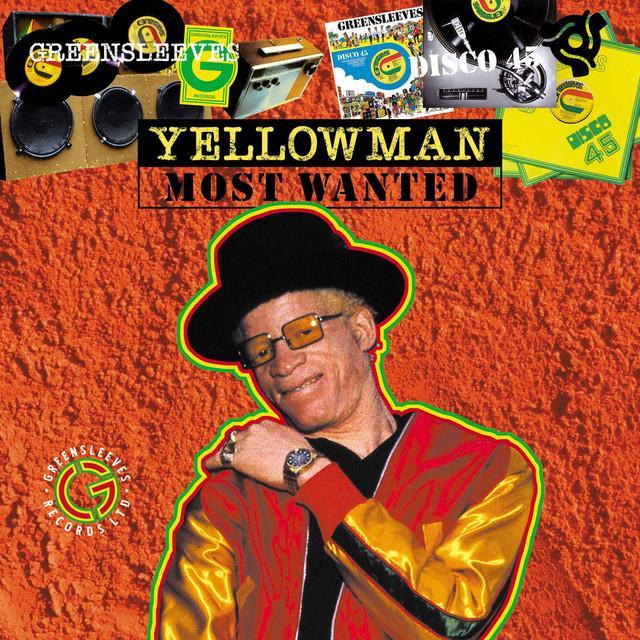
Why Yellowman’s Wild Hook Still Hits
The meaning of Zungguzungguguzungguzeng Yellowman starts with its sound. Before listeners even sort out every word, they hear a chant that feels built for the dancehall: playful, loud, and impossible to shake. That is the song’s first trick. It turns pure rhythm into identity.
"Zungguzungguguzungguzeng" - Yellowman
Zungguzungguguzungguzeng
Seh if yuh have a paper, yuh must have a pen
Loading lyrics...
Unable to load lyrics
We're unable to display the lyrics at this time. Please try again later.
Yellowman, born Winston Foster, became one of dancehall’s most visible stars in the early 1980s, known for his humor, swagger, and commanding voice in Jamaican music history, as documented by the Encyclopaedia Britannica and the Rock & Roll Hall of Fame’s reggae overview. This track captures that persona in full. It is funny and boastful on the surface, but it also carries a clear message about respect.
More Than Nonsense, More Than a Joke
At first, the hook can sound like nonsense syllables. But in practice, it works like a drum fill made out of words. The repeated title phrase gives the song a bounce that listeners can chant back, which helps explain why it became so durable in reggae and dancehall culture.
Interpretation: the nonsense hook is not meaningless. It shows how voice itself can become rhythm, branding, and power. Yellowman makes language feel physical.
That matters because the verses are built around presence. They keep returning to the idea that people should not dismiss him. When they say nuh fe call Yellowman nuh bwoy
, the point is bigger than age. It is a demand for status. They want to be seen as a serious figure, not a joke or a small player.
Watch the official Zungguzungguguzungguzeng
music video
The Verses Turn Logic Into Swagger
One of the smartest parts of the song is the string of simple comparisons. Yellowman links things that naturally go together: paper
and pen
, a start and an end, a rooster and a hen. On one level, it is comic wordplay. On another, it builds a sense of order.
Interpretation: these pairings suggest that Yellowman belongs in the scene just as naturally as those matching items belong together. The verses say, in effect, that his role, talent, and appeal are obvious facts.
That is why the boasting about girlfriends and arguments does not feel random. It extends the same logic. They present themselves as someone surrounded by attention, drama, and public talk. In dancehall, exaggeration is often part of performance. The point is not strict autobiography. The point is command.
Respect Is the Real Subject
The song’s funniest lines often hide its strongest theme: dignity. Yellowman keeps warning people not to treat him like a toy. That warning matters because his career often involved public scrutiny tied to image, celebrity, and difference. Biographical sources note that he was born with albinism and became a major star despite stigma and social prejudice, which makes his public self-assertion especially striking, as noted by Britannica.
So when the track says jump fe happiness
and also insists on respect, those ideas belong together. He is not only entertaining the crowd. He is controlling the room.
if yuh have a start
yuh must have a end
This short moment shows how the song thinks. It uses basic, almost childlike logic to create confidence and momentum. The simplicity is the joke, but also the weapon.
How the Sound Carries the Meaning
Musically, the track is lean and direct. The rhythm leaves room for Yellowman’s deejay delivery, where timing matters as much as melody. Instead of a dense arrangement, the song thrives on repetition, call-and-response energy, and a pulse that lets each phrase hit like a live performance.
That production style fits early dancehall’s move toward DJ-centered records and performance-driven hooks, a shift discussed in broad reggae histories like the Rock & Roll Hall of Fame’s genre summary. Yellowman’s voice is the main instrument here. He snaps from chant to boast to comic aside without losing the groove.
The sound also supports the theme of self-creation. Because the backing is so open, every vocal phrase feels like a stamp of identity. Even watch it!
works as more than hype. It tells listeners to pay attention because the performer is taking control of the space.
A Song About Persona, Place, and Public Talk
The references to Kingston and May Pen widen the song’s world. They make Yellowman sound local and wide-reaching at the same time. He is not talking from nowhere; he is talking from Jamaica’s social map, from real places and public life.
The mention of Parliament and court pushes that even further. These images are comic and exaggerated, but they also elevate the speaker. Yellowman casts himself as someone whose words carry enough force to enter official spaces.
Interpretation: that exaggeration is central to the meaning of Zungguzungguguzungguzeng Yellowman. The song is about building a larger-than-life self in public. It celebrates the art of talking big and making people believe it for three electrifying minutes.
Why It Still Lasts
The song lasts because it is easy to enjoy and fun to unpack. Casual listeners can grab the chant and the bounce. Closer listeners hear a clever performance about reputation, confidence, and being underestimated.
In the end, the track is not just a party record. It is a lesson in how style becomes meaning. Yellowman turns humor, repetition, and swagger into a demand to be heard.
Disclaimer: This interpretation mixes widely accepted context with informed reading of the lyrics and performance. Song meaning can remain open to more than one valid interpretation.









