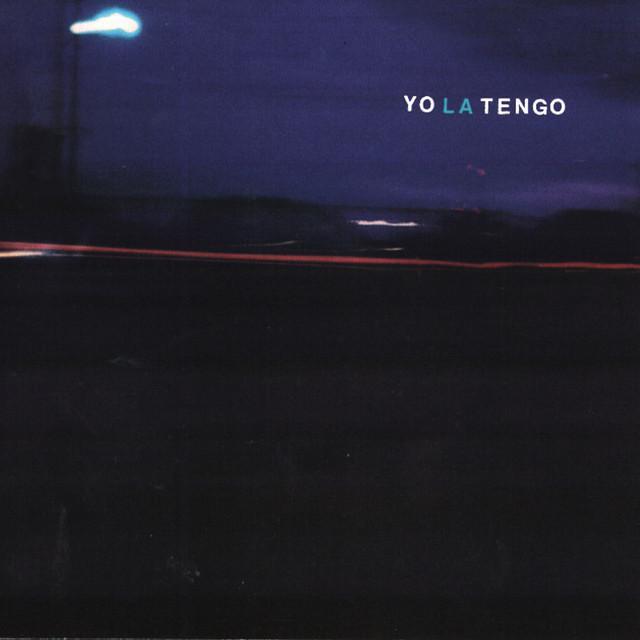
From a Motel 6 by Yo La Tengo
The meaning of From a Motel 6 Yo La Tengo starts with a relationship that feels close on the surface but deeply unreachable underneath. The song captures that odd state where two people are still in each other’s orbit, yet real comfort never arrives.
"From a Motel 6" - Yo La Tengo
Cause even when you're gone, I can see right through
You want disconnection
Loading lyrics...
Unable to load lyrics
We're unable to display the lyrics at this time. Please try again later.
Yo La Tengo, the long-running Hoboken indie band formed in 1984, built their reputation on pairing noisy guitars with tender, dreamy melodies, a contrast noted in broad overviews of the band’s style at Wikipedia. That contrast matters here. Even on the page, this song feels both intimate and detached, warm and irritated, sleepy and alert.
A breakup song without the clean break
At its core, this is a song about emotional unavailability. One person sees the other clearly, maybe too clearly, and realizes that the other keeps choosing distance. The opening idea says as much: the person should not hide, but they always do. When the narrator says they can see right through them, the point is not romance. It is frustration mixed with unwanted understanding.
The next lines sharpen that tension. The other person wants disconnection
, yet also wants the narrator to carry more than their share of the relationship. That is why the line about being there enough for two
lands so hard. It describes a familiar imbalance: one person withdraws while the other is expected to keep the bond alive alone.
Interpretation: This does not sound like a dramatic, explosive breakup. It sounds like the slower pain of trying to stay connected to someone who has already pulled away emotionally.

Watch the official From a Motel 6
music video
The song’s sharpest move is its dry humor
What makes the lyric interesting is that it is not only sad. It is sly, annoyed, and sometimes almost amused by cliché. When the song mentions a broken heart and then calls it a little trite
, it undercuts self-pity.
That matters because it changes the emotional picture. This is not a narrator lost in pure grief. They seem tired of repeated patterns, tired of familiar excuses, and tired of the drama script both people may know by heart.
Love, but with a raised eyebrow
That sarcastic turn gives the song its edge. The narrator may still care, but they are no longer fully persuaded by the other person’s suffering. When they later offer what is left of their own heart, it feels less like grand romance and more like a bleak joke about emotional depletion.
In simple terms, the song says: if heartbreak is the story being told again, there may not be much left to give.
Screens, roads, and snow: the images that do the heavy lifting
The strongest images in the song are ordinary and lonely at the same time. A blank stare at the TV
, channel numbers, highway traffic, and snow on the screen all suggest a person half-awake inside their own life.
These details matter because they ground the emotion in physical scenes. Instead of big declarations, the lyric gives viewers a motel-like landscape of boredom, cheap light, insomnia, and emotional drift. The reference to CNN and later to a movie channel creates a feeling of passive watching. The narrator is not acting; they are absorbing static, noise, and distraction.
I climb where I can see
You're close but I won't reach
Those lines offer the song’s clearest emotional map. The narrator tries to get perspective, tries to locate the other person, and confirms that closeness exists. But they still refuse, or cannot bear, to close the gap.
Interpretation: That refusal may be self-protection. The other person is near, but reaching them would mean reentering a cycle the narrator already understands.
Motion without progress
The driving image is just as telling. The car is in the passing lane, but it is also stuck. That contradiction captures the whole song. Everything looks like movement, yet emotionally nothing advances.
This is one reason the meaning of From a Motel 6 Yo La Tengo feels so vivid. The song knows that heartbreak often does not look cinematic. It looks like being trapped in motion, running on habit, replaying the same argument internally while miles pass outside the window.
The motel in the title also shapes the reading, even though the lyric details do more than the title alone. A Motel 6 suggests anonymity, transience, and rooms meant for staying briefly, not building a life. That image fits a relationship that has become a temporary shelter rather than a home.
How Yo La Tengo’s style supports the meaning
Yo La Tengo have long been admired for making music that can feel soft, noisy, sweet, and uneasy at once. Critics have often treated them as a major indie institution, and the band’s core lineup of Ira Kaplan, Georgia Hubley, and James McNew defined much of that identity after the early 1990s, including the era when their most acclaimed work took shape, as summarized by Wikipedia.
Even without diving into studio minutiae, their known musical language helps explain this song. Their work often leaves room for murmured vocals, repetition, and a hazy emotional weather. That style fits lyrics about TV glow, sleep, and distance. The music can make alienation feel strangely cozy, which is exactly the emotional trap described here.
Quiet surfaces, deep damage
A key Yo La Tengo strength is understatement. They rarely need oversized gestures to make pain feel real. In a song like this, that approach lets the small details carry the sadness.
Instead of saying everything directly, the song lets highways, channels, screens, and snow become emotional evidence. By the end, drifting off to sleep while snow falls on the screen suggests numbness more than peace.
Final reading: intimacy after trust has worn thin
The best way to read this song is as a portrait of damaged closeness. Two people are still connected, but not in a healthy way. One hides. One watches. Both seem stranded in a routine of emotional half-presence.
So the meaning of From a Motel 6 Yo La Tengo is not just heartbreak. It is the drained, late-night phase after heartbreak becomes familiar, when irony replaces pleading and everyday details start reflecting inner collapse.
That is what gives the song its staying power. It turns a small scene into a full emotional landscape.
Disclaimer: This interpretation is based on the lyrics, title, and established context around Yo La Tengo’s style. As with most great songs, other readings are possible.







